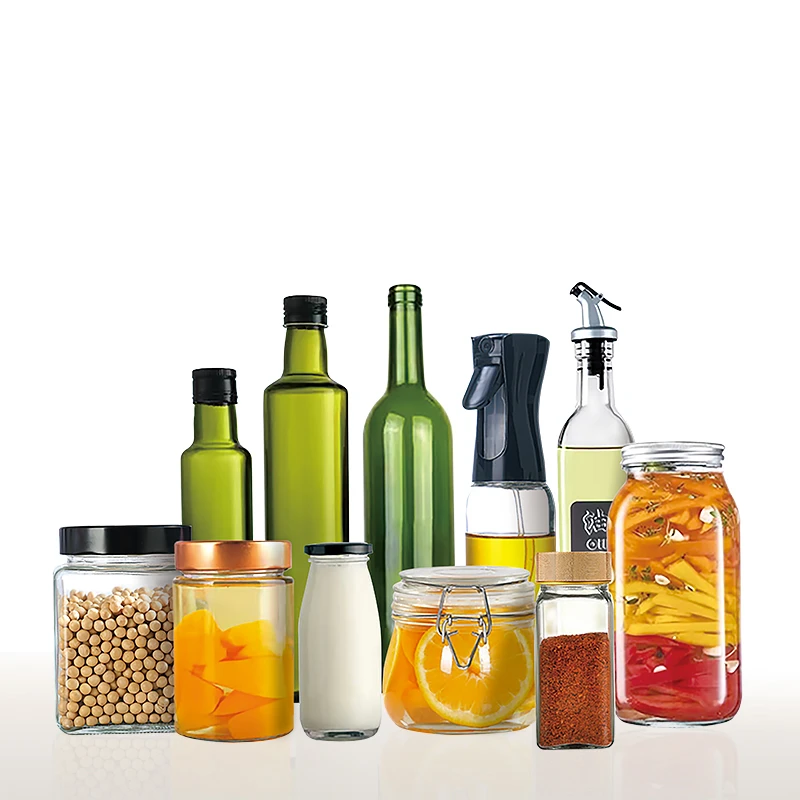
The Role of Glass Jars in the Beverage Industry: From Juices to Alcohol
Glass jars continue to play a vital role in the beverage industry, driven by innovation, health preferences, sustainability, and packaging advancements. They serve as containers and key elements of branding, quality preservation, and environmental responsibility. This article explores their significance across beverage categories and why they remain essential in today’s market.
Glass Jars as Functional and Premium Packaging
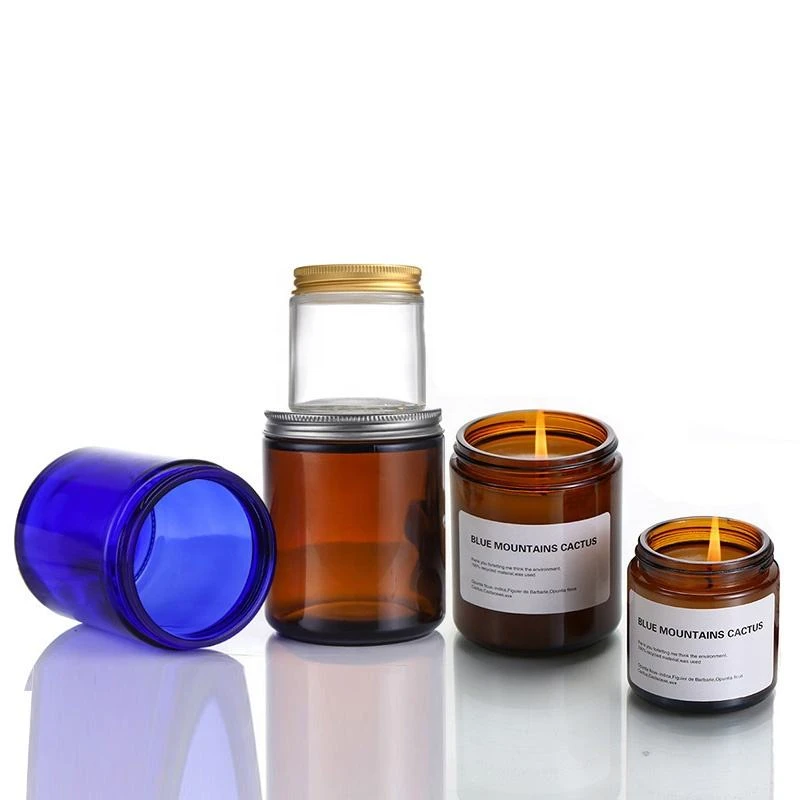
Glass jars are cylindrical containers with threaded or smooth necks, made primarily from soda lime or borosilicate glass. Unlike bottles with slender necks, jars typically have wider openings — making them suitable for beverages that may contain pulp, particulates, or require spoon or straw access.
Although more commonly associated with food products like jams and sauces, glass jars have surged in popularity for beverages due to their aesthetic appeal, inert chemistry (meaning they won’t interact with their contents), and recyclability.
The Importance of Glass Jars in the Beverage Sector
Glass jars bring a combination of practical benefits, brand enhancement, and sustainability advantages that align with modern consumer and industry needs.
Key Advantages
Preservation of Flavor and Quality
Glass is non-porous and impermeable to gases and liquids, ensuring that flavors, aromatics, and nutrients remain intact without influence from the container.
Chemical Inertness
Unlike certain plastics or metal cans, glass doesn’t leach chemicals into beverages, making it ideal for sensitive drinks like juices, kombucha, and craft spirits.
Premium Consumer Perception
Transparent glass allows consumers to see the product, while the weight and feel of glass convey quality — an important factor for artisan and craft beverage brands.
Recyclability and Reuse
Glass can be recycled indefinitely without loss in quality, supporting circular economy goals and reducing environmental impact.
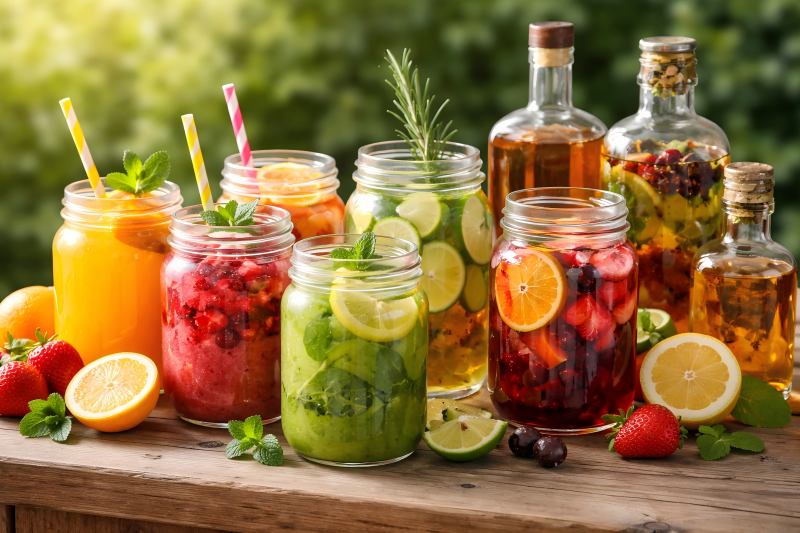
Beverage Categories and Glass Jar Applications
Glass jars are used across a spectrum of beverages — each with unique needs and features.
Juices and Smoothies
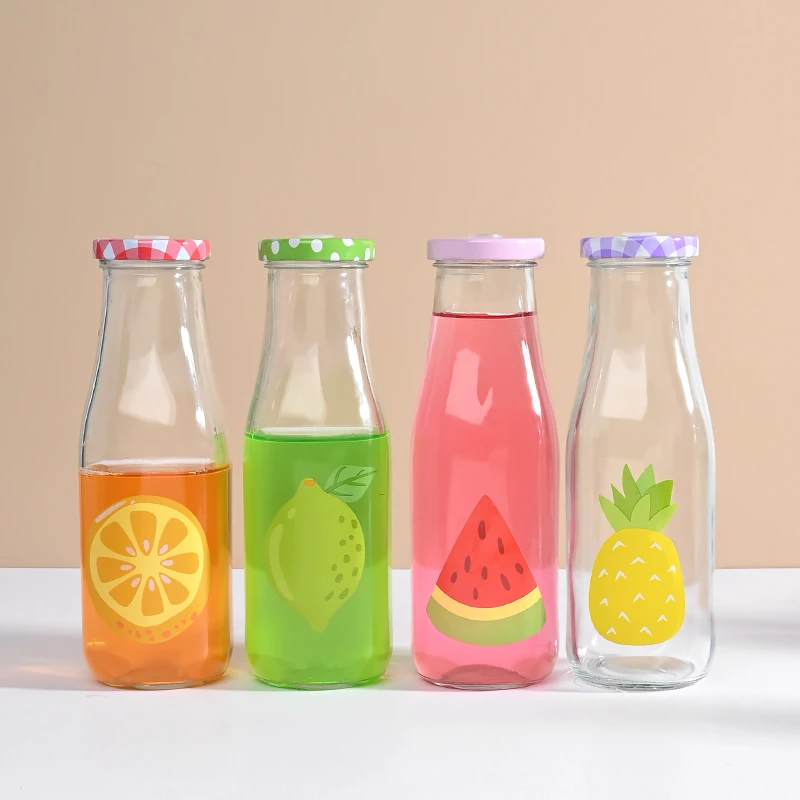
Glass jars are particularly popular for cold-pressed juices and smoothies — two categories that appeal to health-conscious consumers.
Benefits in this category include:
- Ability to hold viscous beverages without compromising integrity.
- Wide mouth for fruit bits, seeds, and pulp.
- Enhanced refrigeration stability.
Glass Jars in Juices and Smoothies
| Feature | Importance | Glass Jar Benefit |
| Flavor Integrity | High | Glass doesn’t interact with contents |
| Aroma Retention | Medium | Airtight sealing preserves scent |
| Freshness | High | Minimal permeation of gases |
| Visual Appeal | High | Transparent surface displays contents |
| Portion Control | Medium | Standard jar sizes aid serving |
Alcoholic Beverages
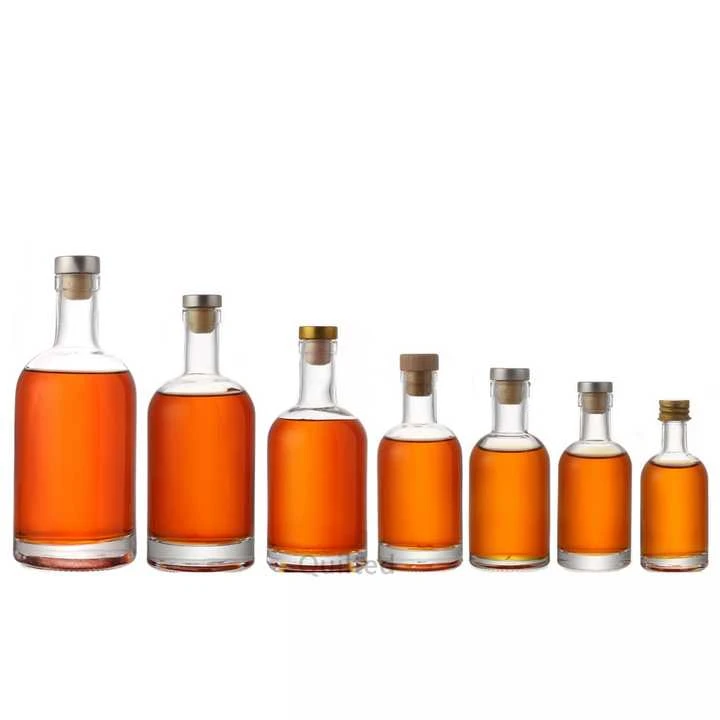
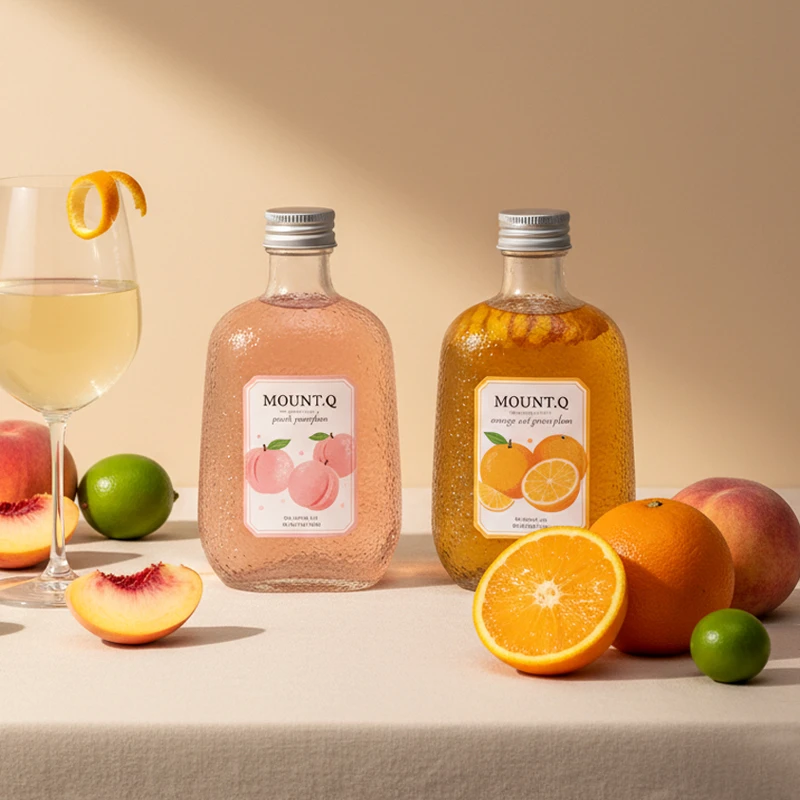
Glass jars are gaining traction among craft distillers and innovative alcohol brands — especially for premixed cocktails, aged spirits, liqueurs, and infused drinks.
Glass jars are used here for:
- Infusions requiring transparent observation.
- Packaging small batch spirits and artisan brews.
- Limited edition or collectible releases.
Alcohol Types Packaged in Glass Jars
| Alcohol Type | Typical Jar Size | Consumer Appeal |
| Craft Gin | 200–500 mL | Shows botanicals inside |
| Whiskey/Infusions | 375–750 mL | Visual aging and sediment display |
| Ready to Drink Cocktails | 250–400 mL | Convenient and stylish |
| Liqueurs | 300–500 mL | Displays rich color and layering |
Tea, Coffee, and Fermented Beverages
Cold brew coffee, kombucha, and herbal teas often use glass jars due to:
- Compatibility with natural fermentation processes (glass is inert).
- Larger openings for easy pouring and cleaning.
- Enhanced shelf life when refrigerated.
Design Trends in Glass Jar Beverage Packaging
The beverage industry is highly visual, and packaging is a central part of branding. Glass jars allow designers and marketers to create standout presentations.
Key Design Trends
- Minimalist Labels: Clean designs that highlight the beverage’s color and texture.
- Unique Shapes: Custom molds that differentiate products on shelves.
- Reusable Packaging: Encouraging consumers to repurpose jars for storage or décor.
- Innovative Closure Systems: Lever top lids, corks, and metal caps facilitating reuse.
Consumer Perceptions and Behavior
Products perceived as natural, safe, and sustainable are increasingly gaining popularity. Glass jars tick all three boxes and often influence purchasing decisions positively.
Survey Insights (Hypothetical Data)
| Consumer Preference Factor | % of Respondents | Notes |
| Sustainability Matters | 72% | Environmentally responsible packaging |
| Flavor Preservation | 64% | Glass is perceived as tasteless and pure |
| Reusability | 58% | Reusing jars at home |
| Premium Packaging | 61% | Glass signals higher quality |
Note: Based on broad industry knowledge, the data above is illustrative.
Impact on the Environment and Sustainability
Glass jars are frequently chosen over plastic bottles and cans due to environmental benefits:
Lifecycle and Recycling
Glass can be recycled endlessly without any loss in quality or performance.
- Lower contamination risk: Clear separation in recycling streams.
- Reduced microplastics concerns: Glass does not fragment into microplastics like plastics.
Waste Reduction Strategies
Many beverage brands implement return and refill programs — particularly in local juice bars or craft distilleries — reducing single-use packaging altogether.
Cost Considerations in Glass Jar Use
Glass jars offer many benefits, but cost considerations also influence adoption.
Pros and Cons
| Factor | Pro | Con |
| Material Cost | Durable and premium | Higher production cost than plastic |
| Transportation | Can be reused | Heavier weight → higher freight costs |
| Consumer Value | Premium perception | May be priced higher than alternatives |
| Production Flexibility | Custom shapes | Mold tooling is expensive |
Comparing Glass Jars with Alternative Packaging
For perspective, here’s a comparison across major packaging types.
Table: Packaging Material Comparison
| Packaging Type | Barrier Properties | Sustainability | Cost Efficiency | Brand Perception |
| Glass Jars | Excellent | High | Moderate | High |
| Plastic Bottles | Good | Low | High | Low–Medium |
| Aluminum Cans | Good | Medium | High | Medium |
| Tetra Pak | Good | Medium | Moderate | Medium |
Case Studies: Success Stories
1. Cold-pressed Juices
Many cold-pressed juice brands use clear glass jars to showcase vibrant colors and texture — reinforcing product freshness and natural ingredients.
2. Craft Distilleries
Smaller distillers use uniquely shaped jars to communicate artisanal craftsmanship and justify premium pricing.
3. Eco-Conscious Beverages
Zero-waste cafés and kombucha producers often use refillable glass jars, promoting a circular supply chain model that resonates with environmentally conscious consumers.
Future Trends and Innovations
The beverage packaging landscape continues to evolve — and glass jars are evolving with it.
Technological Advances
- Smart Packaging: Integration of QR codes on glass labels for traceability and consumer engagement.
- Lightweight Glass: New manufacturing techniques reduce jar weight while retaining strength, lowering carbon footprint.
- Barrier Coatings: Advanced coatings enhance gas and moisture barriers without compromising recyclability.
Consumer Driven Shifts
Growing interest in refill stations and bulk buying.
Increasing demand for transparent supply chains (ingredients, origin, processing).
Challenges and Considerations
Despite their many benefits, glass jars face challenges:
- Fragility: Prone to breakage if mishandled.
- Weight: Higher shipping costs than lightweight plastics.
- Production Emissions: Glass manufacturing has significant energy inputs (though mitigated by recycling).
Glass jars play a key role in the beverage industry, combining aesthetics with functionality. They preserve product integrity, support brand storytelling, and meet sustainability goals, while evolving with consumer expectations for quality and environmental responsibility.