How to Choose the Glass Beverage Bottle: A Comprehensive Guide
When selecting the right glass beverage bottle for your product, many factors come into play. From shape and size to durability and functionality, every aspect of the bottle should align with your brand’s image and your beverage’s needs.
Understanding Your Beverage’s Requirements
Before diving into the specifics of glass bottles, it’s important to first assess the nature of the beverage you’re packaging. The right bottle must meet the specific needs of your product, whether it’s a refreshing juice, a carbonated drink, or a premium spirit. Key factors include the beverage’s composition, storage conditions, and shelf life.
Type of Beverage
Glass bottles come in different forms designed for various types of beverages. For instance, high-pressure bottles are needed for carbonated drinks, and airtight closures are frequently necessary for smoothies and juices to avoid spoiling. Understanding your beverage’s characteristics will guide you towards the right type of bottle.
Packaging and Storage Conditions
Consider how the bottle will be stored and transported. If your beverage needs to be refrigerated or exposed to sunlight, choose a bottle that protects against light, such as amber-colored glass. This is especially important for products like juices and beers that can degrade under UV exposure.
Size and Shape of the Bottle
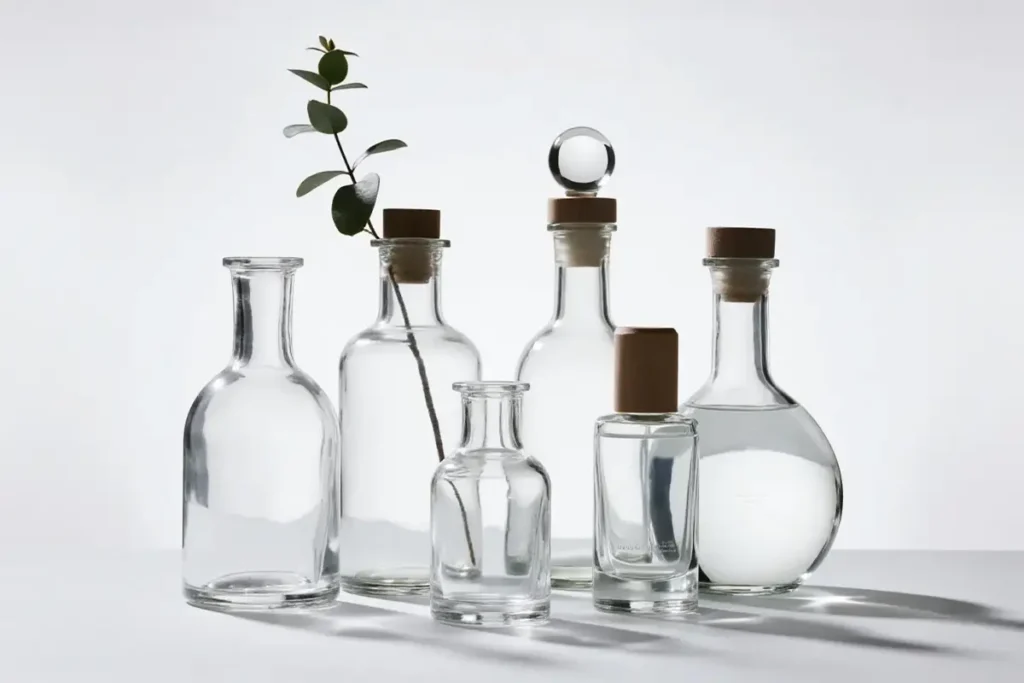
The size and shape of the bottle you choose play a significant role in its appeal to consumers and its functionality in your production process. The target market, consumption trends, and convenience considerations all play a role in selecting the ideal bottle size. Shape, on the other hand, can impact branding and consumer perception.
Size
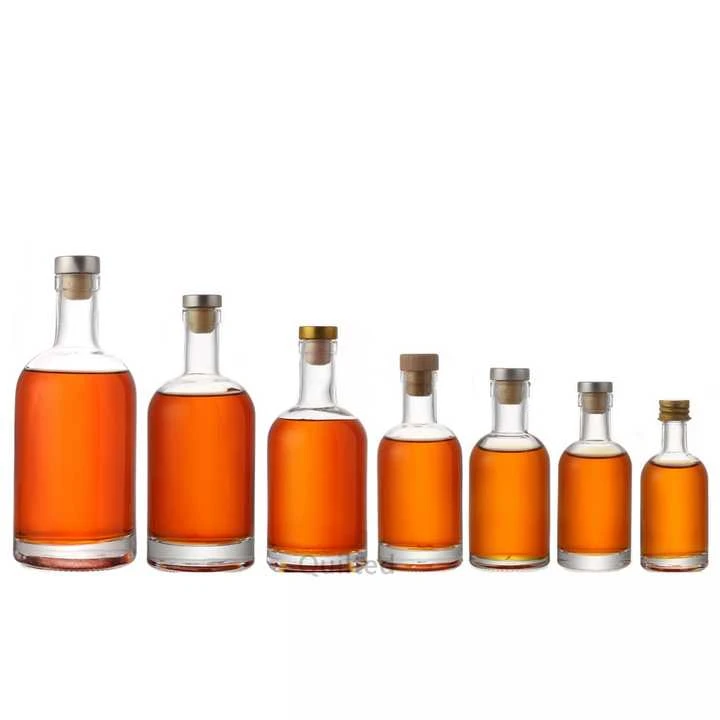
There are many different sizes of glass beverage bottles, from tiny 100ml bottles to big 1-liter ones. Consider the portion size that best suits your target consumers. For example, single-serve bottles are ideal for convenience, while larger bottles may be better suited for family-sized servings or wholesale purposes.
Shape
Bottle shape not only influences aesthetics but also practicality. A sleek, modern design can help attract customers, while traditional shapes can evoke a sense of nostalgia. Also, the shape must be functional; for instance, a wider neck might be preferred for thicker beverages like smoothies, while a narrow neck suits carbonated drinks.
Bottle Cap and Closure Types
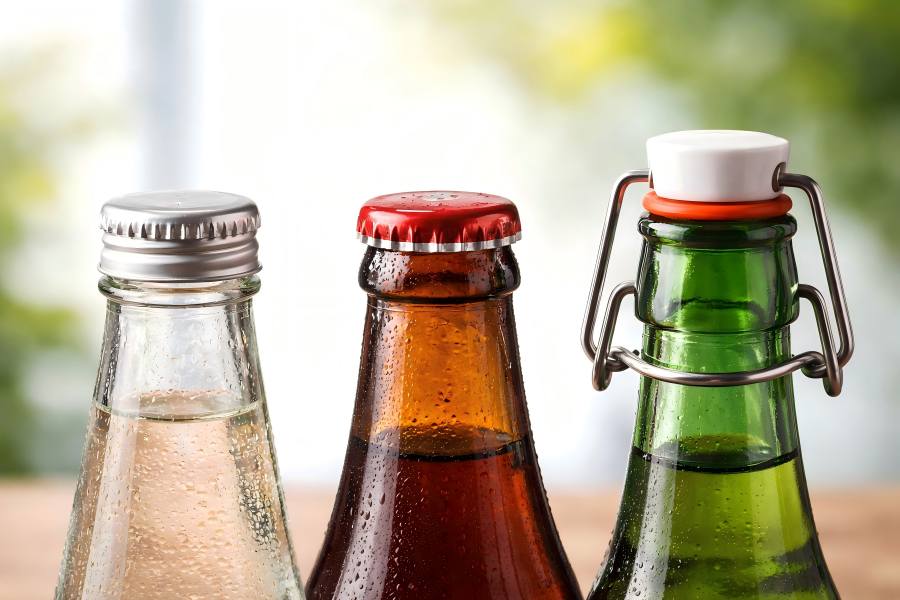
The type of closure on your glass beverage bottle is critical to maintaining the beverage’s freshness and preventing leaks. Different cap styles provide varying levels of security and convenience.
Screw Caps
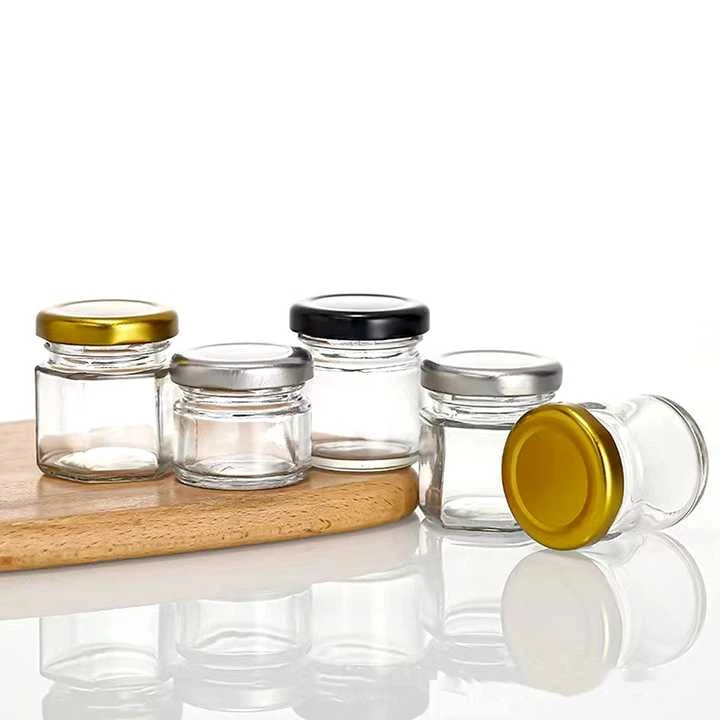
Screw caps are the most common choice for beverage bottles. They offer an easy-to-use, secure closure that ensures an airtight seal. This makes them suitable for both non-carbonated and carbonated beverages.
Crown Caps
Typically used for bottled beers and some soft drinks, crown caps provide a robust seal that keeps the beverage fresh and preserves carbonation. However, they often require special equipment to apply and remove.
Flip-Top Caps
For juices or health drinks that require frequent opening, flip-top caps are an excellent option. They provide convenience while ensuring that the bottle can be resealed securely after each use.
Color and Material
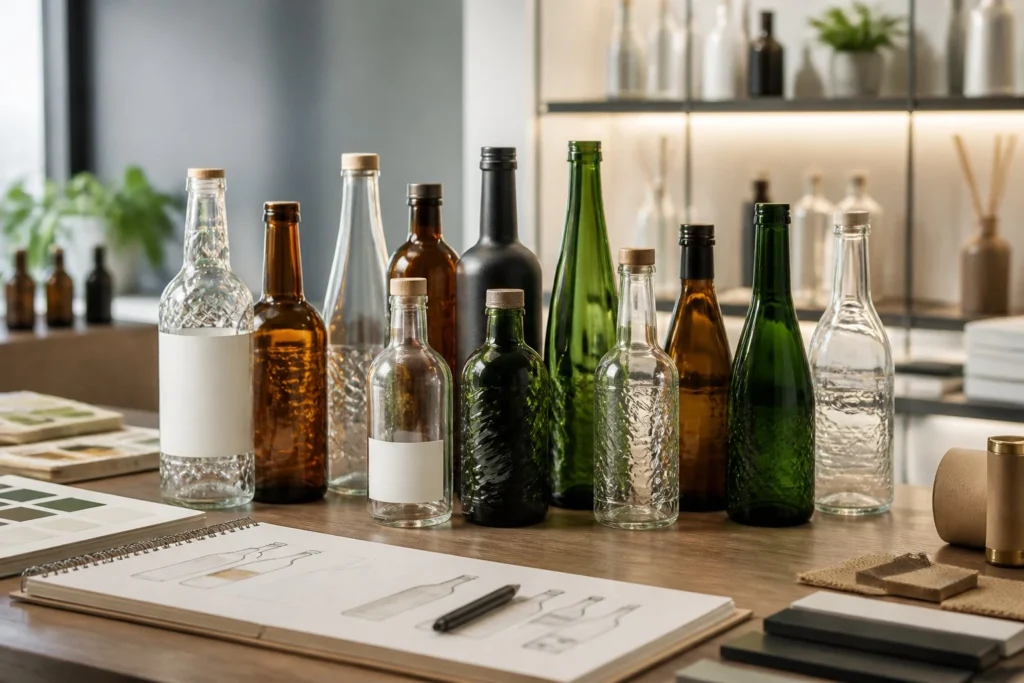
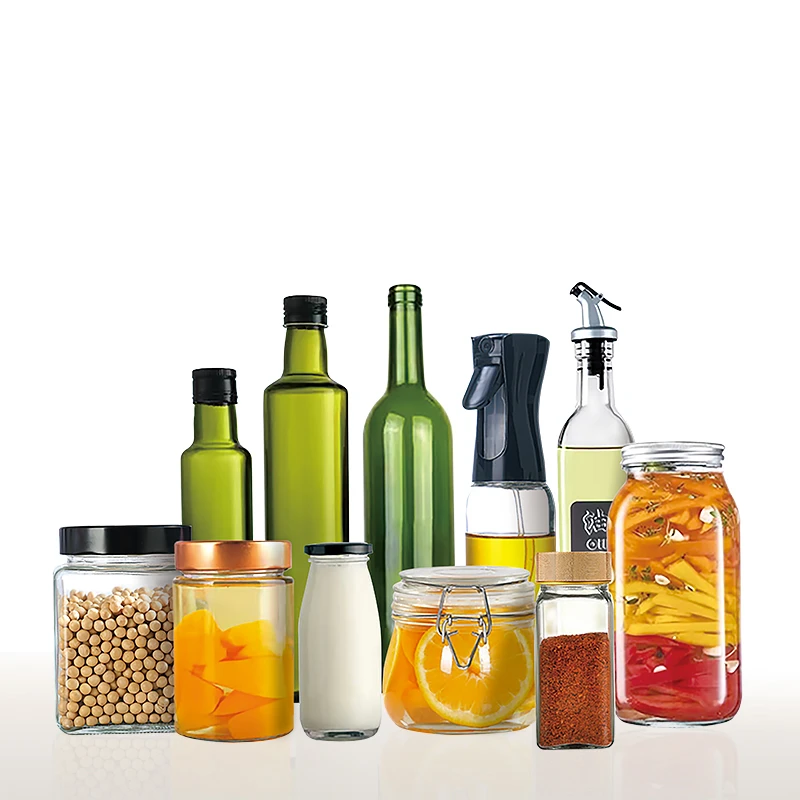
Glass bottles are available in various colors, including clear, green, and amber. The color of the bottle affects the product’s appearance and the level of protection it provides.
Clear Glass
Clear glass is often used for beverages where product visibility is important, such as fruit juices and soft drinks. However, clear glass offers minimal protection from UV light, so it’s best for products that are either consumed quickly or stored in controlled environments.
Green and Amber Glass
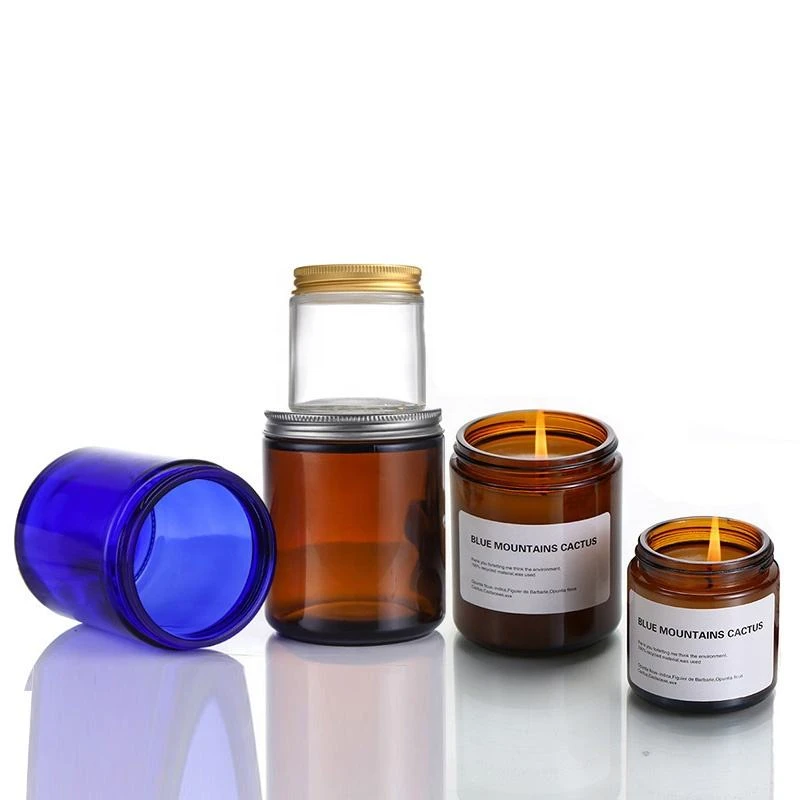
Amber or green-colored glass bottles provide excellent UV protection, making them ideal for products like beers, certain juices, and health beverages. The color helps preserve the integrity of the product, protecting it from light-induced degradation, which is particularly important for products sensitive to UV rays.
Durability and Strength
Glass is a durable and high-quality material, but its fragility is an inherent consideration. When choosing a glass beverage bottle, it’s important to balance durability with cost and design.
Standard Glass
Most glass beverage bottles are made of standard glass, which is strong enough for many applications but can be vulnerable to breakage during handling or transport.
Tempered Glass
For higher durability, tempered glass bottles are a great option. This kind of glass is subjected to a unique technique that strengthens it and prevents breaking. While more expensive, tempered glass offers added protection and is a good choice for beverages that will be exposed to rough handling or need to withstand pressure.
Eco-Friendly Options
If your brand prioritizes sustainability, think about utilizing recycled glass or reusable bottles. Recycled glass is a more environmentally friendly option, and reusable glass bottles can help reduce the overall carbon footprint of your beverage packaging.
Branding and Aesthetic Appeal
A well-designed glass bottle can significantly enhance your product’s visual appeal. The right design not only attracts consumers but also conveys your brand’s identity and values.
Labeling and Printing Options
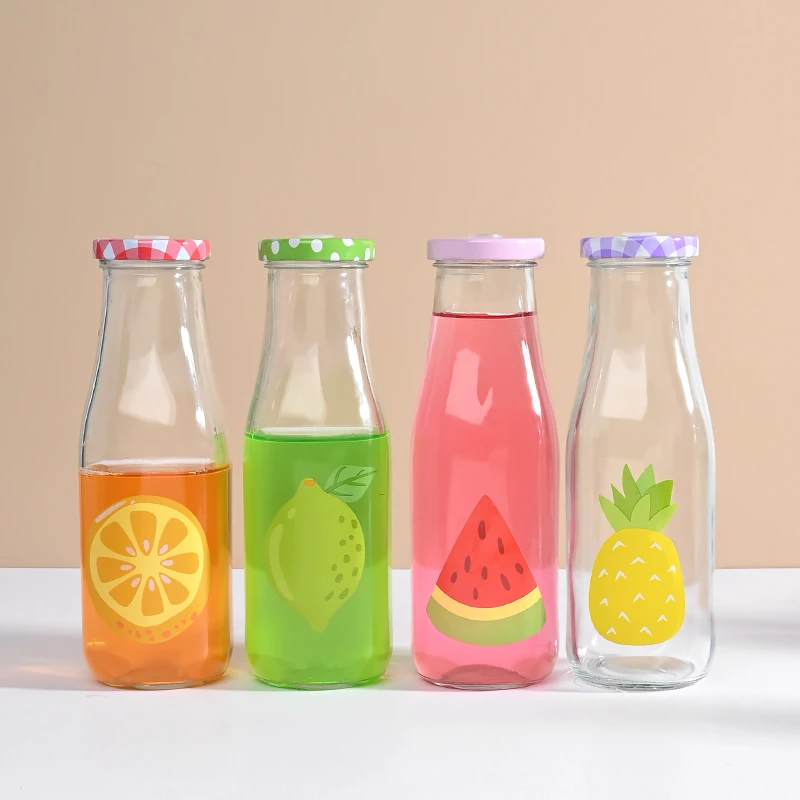
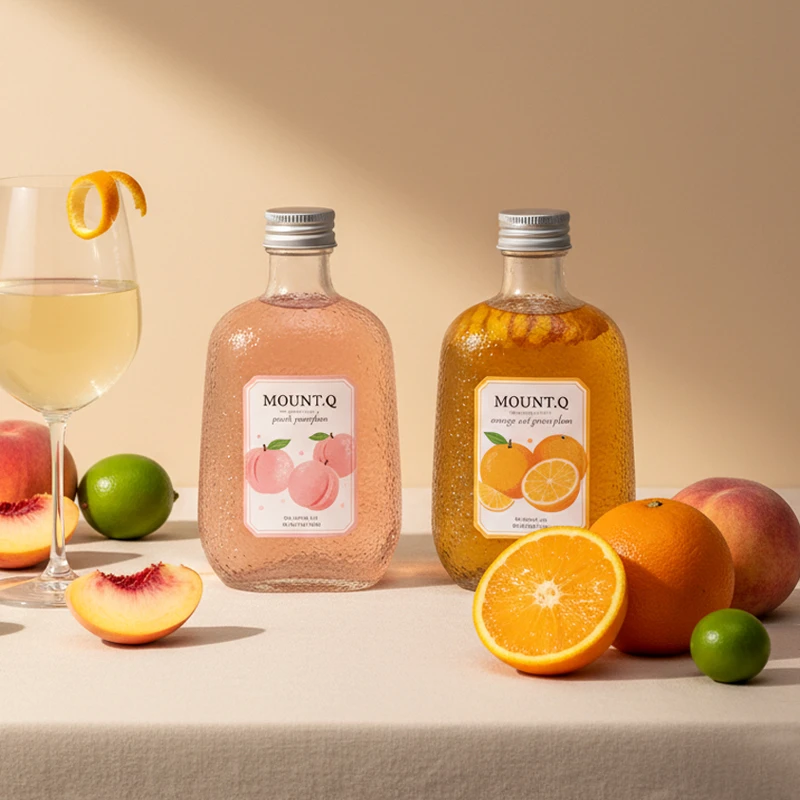
Glass bottles provide an excellent surface for branding, with many options available for labeling or printing directly onto the glass. Paper labels, shrink sleeves, and direct printing are among the options. The type of labeling you choose will affect the overall look of your product and should align with your branding strategy.
Custom Designs
For a truly unique appearance, you may opt for custom-shaped bottles or embossed designs. Custom designs help differentiate your product on store shelves and provide a memorable, high-end look that appeals to consumers seeking quality products.
Cost and Budget Considerations
While glass bottles offer superior quality and sustainability, they tend to be more expensive than plastic alternatives. Choosing the best packaging option requires an understanding of your budget and how it fits with your brand’s objectives.
Production Costs
The cost of manufacturing glass bottles varies depending on the design, size, and closure type. Custom bottle shapes and embossing can significantly increase production costs. However, investing in high-quality glass bottles can enhance the perception of your product and provide a premium experience for customers.
Shipping and Handling Costs
Shipping glass bottles requires careful handling, as they are more prone to breakage compared to plastic.Your entire budget should account for the cost of shipping and handling. To reduce these costs, think about collaborating with vendors who provide affordable packaging options.
Sustainable Packaging Trends
Packaging decisions are still heavily influenced by sustainability. Glass is considered a more eco-friendly option compared to plastic due to its recyclability and the fact that it does not leach harmful chemicals into the product.
Recycled Glass
Many manufacturers now offer glass bottles made from recycled materials. In addition to reducing waste, using recycled glass also lessens the environmental effect of making new glass.
Eco-Friendly Practices
In addition to using recycled materials, consider the overall sustainability of your packaging. Collaborate with suppliers who place a high priority on environmental practices, like cutting carbon emissions and using less water during production.