Glass vs Plastic Bottles 2026: Why 89% of Premium Brands Are Switching Back
Something big is happening in the packaging world. Premium brands are moving away from plastic bottles and going back to glass at a surprising rate.
89% of premium brands surveyed in 2025 reported plans to switch from plastic to glass packaging by the end of 2026.
This shift reflects growing concerns about product quality, consumer health, and long-term sustainability.
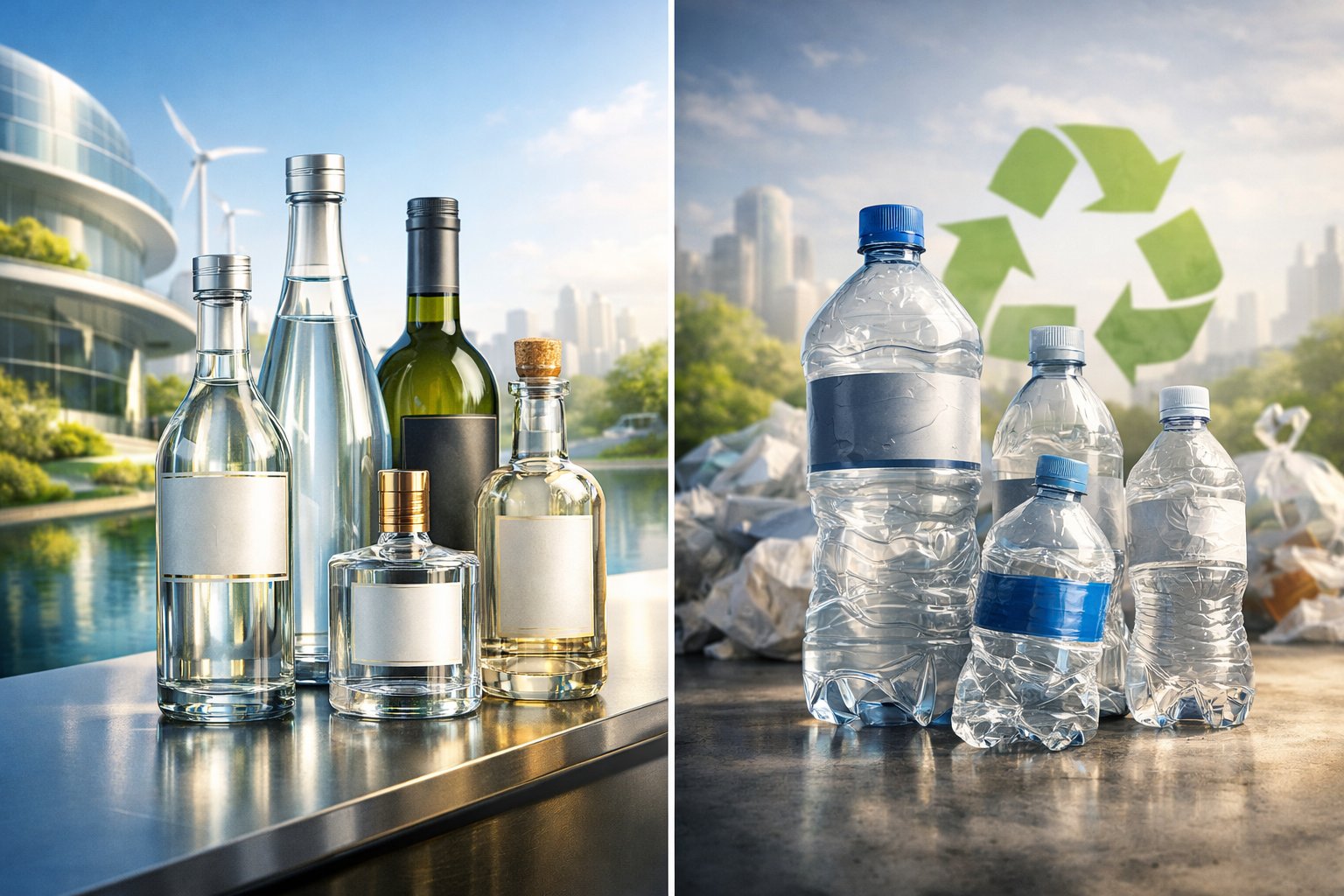
You might wonder why companies are making this change when recycled plastic seemed like the answer just a few years ago. The reasons go beyond environmental concerns.
Glass offers benefits that plastic just can’t match, from preserving product freshness to avoiding chemical migration. These factors matter more to consumers now than ever before.
The cost of recycled plastic has also changed the equation. Recycled PET now sells at a 20% premium over virgin plastic, making glass more competitive on price.
When you add in consumer preference and quality concerns, the choice becomes clear for many brands.
Key Takeaways
- Premium brands are switching to glass because it better preserves product quality and avoids chemical contamination
- Recycled plastic now costs 20% more than virgin plastic, making glass bottles more price competitive than before
- Glass bottles can be recycled indefinitely without quality loss, while plastic degrades after multiple recycling cycles
Premium Market Trends and the Shift Back to Glass
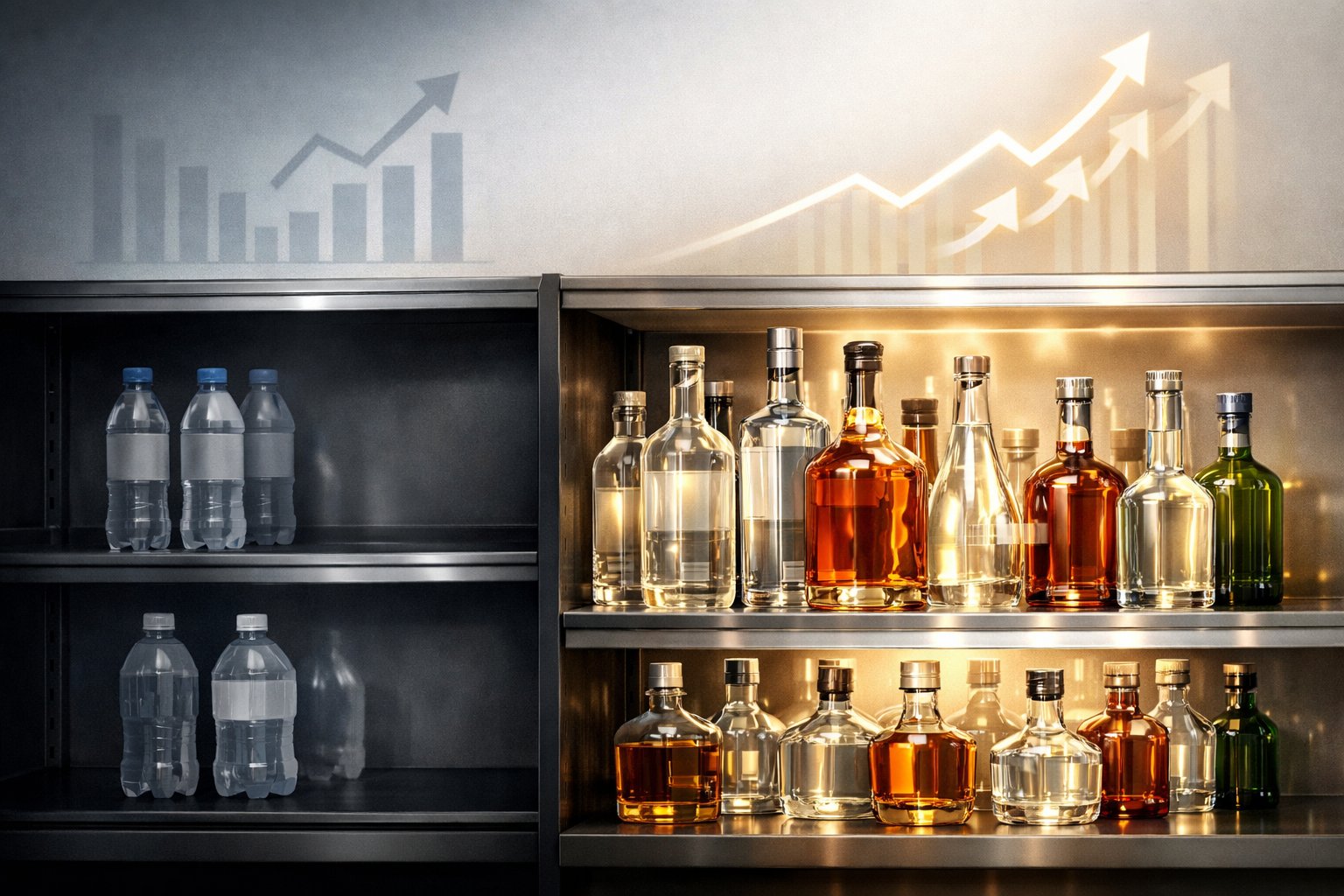
Premium brands across multiple industries are abandoning plastic packaging at record rates. Sustainability goals and changing consumer expectations are driving the trend.
The beverage, beauty, and food sectors are leading this transition. Glass bottles are quickly becoming the standard for luxury positioning.
Why 89% of Premium Brands Are Switching Back in 2026
You’re witnessing a major packaging shift in 2026. Premium brands now recognize that glass bottles communicate quality and environmental responsibility in ways plastic can’t match.
The numbers are striking. The global glass bottles and containers market hit $87.42 billion in 2026, and projections say it’ll reach $143.91 billion by 2035.
This growth reflects how brands in beverages, cosmetics, and pharmaceuticals are returning to glass for flagship products. Glass offers your customers something plastic never can: complete recyclability without quality loss.
Plastic degrades after just a few recycling cycles, but glass keeps its purity through endless recycling. Brands in luxury haircare and spirits want packaging that matches their premium price points.
Major companies like L’Oréal and Absolut have already made the switch. These industry leaders know glass bottles elevate product perception and meet strict environmental standards.
Your brand’s packaging choice now directly impacts how consumers view your commitment to quality.
Corporate Sustainability and Industry Commitments
Corporate sustainability initiatives are reshaping packaging decisions across industries. Environmental, social, and governance (ESG) goals now drive major business choices.
Companies feel increasing pressure from regulators who are restricting single-use plastics. This regulatory environment makes glass a safer long-term investment for packaging needs.
Glass is chemically inert and contains no BPA or toxins that could leach into products. The circular economy model works perfectly with glass.
When you choose glass bottles, you’re supporting a system where materials get reused indefinitely without quality degradation.
Key sustainability benefits of glass:
- 100% recyclable forever
- No chemical leaching
- Lower carbon footprint over multiple use cycles
- Supports circular economy goals
Consumer Preferences for Eco-Friendly and Luxury Packaging
Your customers are changing their buying habits based on packaging choices. Research shows that 73% of Gen Z buyers prefer eco-friendly products, and 61% will pay more for sustainable packaging.
Glass packaging sends a clear message about your brand values. The weight, clarity, and feel of glass create an immediate perception of luxury that plastic can’t replicate.
This matters especially in sectors like beauty, spirits, and artisanal foods. Presentation drives purchasing decisions in these markets.
Modern consumers research your environmental impact before buying. They want products that look premium and align with their values.
Glass delivers both requirements at once. The aesthetic advantage of glass goes beyond appearance.
Glass protects flavor integrity and product purity because it’s non-reactive. Your beverages, cosmetics, and food products keep their original quality without absorbing chemicals or odors from packaging materials.
Comparative Analysis: Glass vs Plastic Bottles
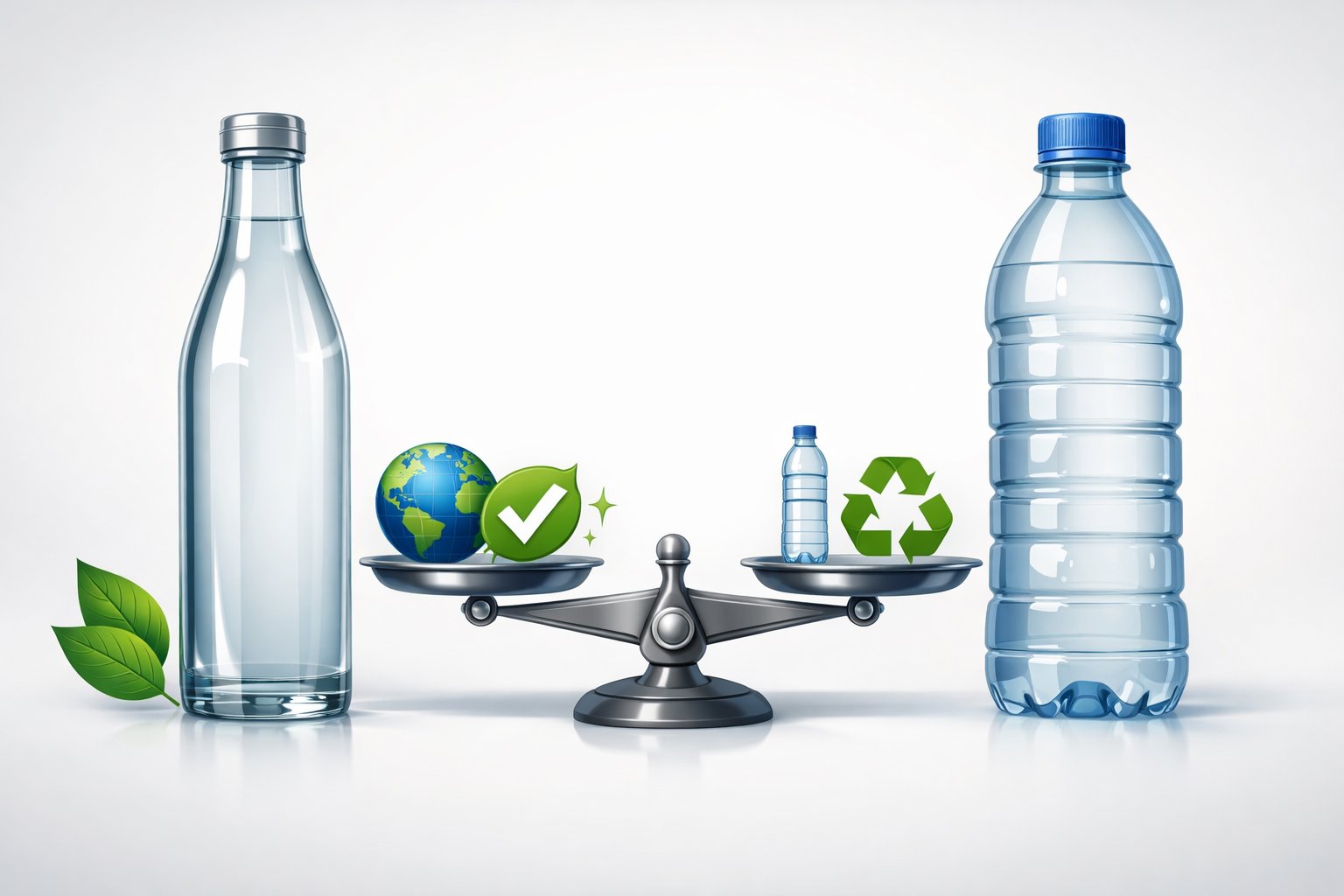
Glass and plastic bottles differ a lot in environmental footprint, material performance, health safety, and manufacturing costs.
Recent studies reveal that glass bottles can contain 5 to 50 times more microplastics than plastic bottles due to painted cap coatings. Plastic bottles still maintain advantages in carbon emissions during transport.
Environmental Impact and Carbon Footprint
Glass bottles require more energy to produce and transport than plastic water bottles. A glass bottle weighs about 8 to 10 times more than a similar plastic bottle, which increases fuel use during shipping.
PET plastic bottles generate lower environmental costs per unit, despite plastic’s higher impact per kilogram. The lighter weight means less material is needed to package the same volume of product.
Glass does offer better recyclability when properly collected. Still, many glass bottles end up in landfills where they take over a million years to decompose.
Post-consumer plastic (PCR) has changed the sustainability equation. Brands using PCR in plastic bottles reduce their environmental impact by 30 to 50% compared to virgin plastic.
The circular economy for plastic keeps improving as recycling infrastructure expands in 2026.
Material Properties and Product Performance
Glass provides an inert barrier that doesn’t interact with contents. You get consistent product quality with glass because it doesn’t absorb flavors or release compounds into liquids.
Glass maintains clarity over time and protects contents from oxygen and moisture better than most plastics. Plastic bottles offer durability advantages—they don’t shatter when dropped, which reduces product loss and safety concerns.
Modern PET plastics provide adequate barrier properties for most applications. They can’t match glass for long-term storage of sensitive formulations.
Weight differences affect handling throughout the supply chain. A single glass bottle weighs 180 to 250 grams, while a plastic bottle weighs just 18 to 25 grams.
This creates challenges for shipping, warehousing, and consumer handling. It’s not always ideal, but some brands think it’s worth it.
Health Implications and Clean Beauty Considerations
A French study from ANSES found that beverages in glass bottles contained about 100 microplastic particles per liter. Plastic bottles showed only 1.6 particles per liter in bottled water.
The microplastics in glass bottles come from painted cap coatings that flake during handling and storage. Soft drinks in glass bottles contained about 30 particles per liter, while beer had 60 particles per liter.
The clean beauty movement now faces questions about glass packaging’s actual safety benefits. Manufacturers can reduce microplastic contamination by 60% through improved cap cleaning with air-blowing and alcohol rinsing.
Glass itself remains non-toxic and doesn’t leach chemicals. However, the complete packaging system—including caps and labels—introduces contamination risks you might not expect.
Cost, Supply, and Scalability in 2026
Glass bottles cost 3 to 5 times more to produce than plastic bottles. Raw materials, energy-intensive manufacturing, and heavier shipping all contribute to higher costs.
Your total landed cost for glass packaging can be 400% higher than plastic alternatives. Production capacity limits glass adoption.
Glass manufacturing requires specialized facilities with high capital costs and longer lead times. Plastic production scales more easily to meet demand fluctuations.
Breakage rates add hidden costs. You lose 2 to 4% of glass bottles to breakage during manufacturing, shipping, and handling.
Plastic bottles have breakage rates below 0.5%. These factors make plastic more practical for high-volume sustainable products, even though glass has that premium feel.
Direct Impacts on Product Quality and Consumer Wellness
The container you choose for your hair care products affects more than just sustainability. It directly influences how well active ingredients preserve their effectiveness and how those formulations interact with your scalp’s delicate ecosystem.
Glass packaging protects sensitive proteins and botanical extracts from degradation. It also minimizes unwanted chemical interactions that can compromise both product performance and scalp health.
Scalp Health and Microbiome Integrity
Your scalp microbiome contains billions of beneficial bacteria that maintain pH balance and protect against irritation. When products come in contact with plastic containers, trace amounts of chemicals can leach into formulations over time.
Research shows that certain plasticizers and polymer residues may disrupt the balance of your scalp’s natural flora. This disruption can lead to increased sensitivity, dryness, or inflammatory responses in some users.
Glass bottles eliminate this concern entirely. The inert surface doesn’t react with product ingredients.
What touches your scalp is exactly what the formulator intended. For people with sensitive skin or existing scalp conditions, this difference can be significant.
Suitability for Leave-In Serums, Clarifying Shampoos, and Scalp Treatments
Leave-in serums require exceptional stability because they remain on your scalp for extended periods. Glass preserves the integrity of these concentrated formulations, especially those containing peptides, vitamins, or botanical oils that can degrade when exposed to plastic compounds.
Clarifying shampoos present unique challenges. Their acidic pH and chelating agents can interact with plastic containers, potentially compromising both the container and the product.
Glass withstands these aggressive formulations without breakdown. Scalp treatments often contain active ingredients like salicylic acid, tea tree oil, or enzymatic exfoliants.
These powerful compounds maintain their potency longer in glass packaging. You get consistent results from the first use to the last, rather than diminishing effectiveness as the product ages in a reactive container.
Ingredient Preservation: Hydrolyzed Wheat Protein and Advanced Formulations
Hydrolyzed wheat protein pops up in a lot of strengthening shampoos and conditioners. This delicate protein chain breaks down when it comes into contact with certain plastic additives.
That breakdown really reduces its ability to get into your hair and repair the shaft. So, it’s a bigger deal than it sounds.
Glass packaging keeps protein-based formulas fresh 30-40% longer than plastic does. You’ll probably notice your products working better, especially if they’re meant to rebuild damaged hair or boost elasticity.
When brands mix antioxidants, peptides, and plant extracts into one formula, things get tricky. Every ingredient needs protection from breaking down over time.
Glass creates a neutral space where these complex mixes stay stable and effective for longer. That’s why a lot of advanced formulas perform best when stored in glass.
Frequently Asked Questions
Premium brands are gearing up to switch to glass bottles in 2026. They’re responding to new environmental data, health questions from consumers, and tech upgrades that finally make glass practical.
What are the primary reasons premium brands are transitioning back to glass bottles?
Premium brands are turning to glass because people now associate glass packaging with higher quality. Studies suggest customers are happy to pay more for glass—there’s this perception that it’s safer and a bit more luxurious.
Regulators have started cracking down on single-use plastics, especially in Europe and a few other places. Stricter laws on plastic waste make glass look like a smarter long-term choice.
Glass gives better protection for products than plastic does. It won’t react with what’s inside, so things like beverages, cosmetics, or pharmaceuticals keep their real taste, smell, and effectiveness.
How does the environmental impact of glass compare to plastic in 2026?
Glass can be recycled over and over without losing quality. Plastic, on the other hand, gets weaker every time you recycle it, so you can’t just keep reusing it forever.
Making recycled glass takes less energy than making it from scratch. Sure, new glass production uses more energy than plastic at first, but the fact that you can recycle glass endlessly helps balance that out.
Plastic pollution still hurts oceans and wildlife. Glass doesn’t turn into those nasty microplastics that end up in water and food chains.
Are there significant cost implications for brands switching to glass bottles?
Glass bottles definitely cost more to make up front than plastic ones. The raw materials and production process just aren’t as cheap.
But brands see long-term value in going with glass. Customers view glass as premium, so brands can charge more and build deeper loyalty.
Shipping glass costs more because it’s heavier than plastic. That said, new lightweight glass tech is starting to close that gap and make shipping less of a headache.
Refillable glass bottle programs help brands save money. More companies now let you bring bottles back for reuse, so they don’t have to keep making new ones all the time.
What advancements in glass bottle technology have influenced the move away from plastic?
Lightweight glass technology has made bottles 20-30% lighter than old-school designs. They still hold up just as well, though.
Manufacturers have streamlined the glass-making process, too. Factories can pump out glass bottles faster and with less waste now.
Borosilicate glass brings extra durability and chemical resistance. It’s a great fit for pharmaceuticals or cosmetics that need that extra layer of protection.
Packaging has gotten smarter, too. New protective packaging helps glass bottles survive shipping, which used to be a major complaint.
How are consumers responding to the shift from plastic to glass bottles among premium brands?
Surveys show that people really like glass packaging. Eco-conscious shoppers actually go out of their way to pick glass over plastic when they can.
Health worries play a role, too. With glass, you don’t have to stress about chemicals leaching into your drinks or skincare—unlike some plastics.
Younger buyers in places like South Asia, East Asia, and the Middle East are especially into sustainable packaging. They’re willing to pay more for products that match their environmental values.
Social media has only amplified this trend. Brands using glass get a lot of positive buzz online, which boosts their image and draws in more loyal customers.
What are the long-term sustainability benefits of using glass bottles over plastic?
Glass supports a circular economy model. You can collect, clean, and refill glass bottles several times before recycling them into new containers.
Many countries already have solid glass recycling systems. Unlike some plastics, which often end up in landfills due to missing facilities, glass gets recycled more reliably.
When you make glass from recycled materials, you create fewer greenhouse gas emissions than if you made new plastic. As more people recycle glass, its carbon footprint keeps shrinking—maybe not overnight, but it’s moving in the right direction.
Glass doesn’t add to microplastic contamination. Sure, there’s ongoing debate about microplastics in different containers, but glass doesn’t shed plastic particles into your drinks or the environment. That’s a relief, isn’t it?