Juice Glass Bottles for Small Businesses: The Complete Packaging Guide
Picking the right packaging for your juice business isn’t just about shelf appeal. Your bottle choice affects shelf life, production costs, and how customers see your brand.
Glass bottles give small juice businesses a reliable packaging solution that protects product quality, supports premium branding, and meets the growing demand for sustainable options.
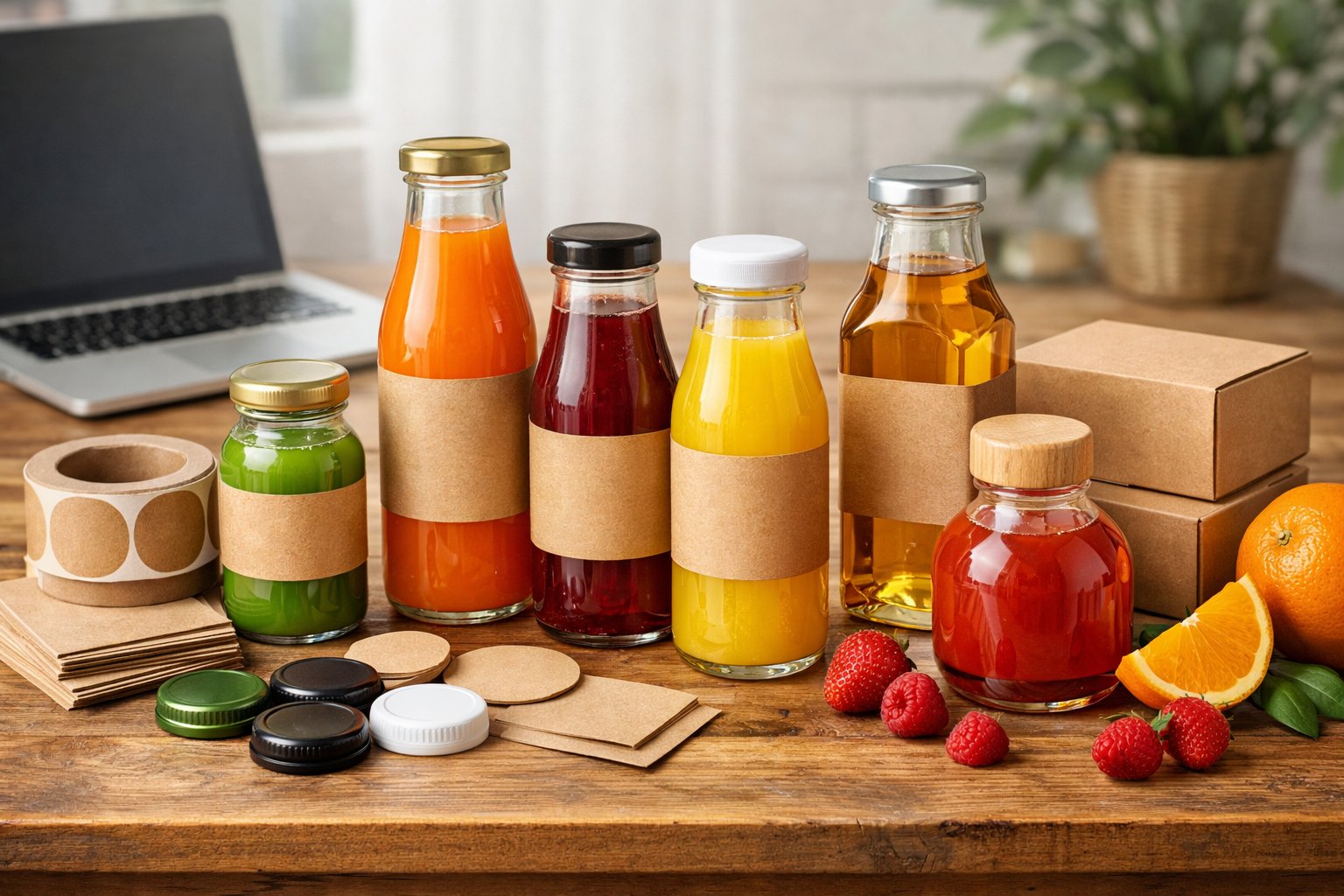
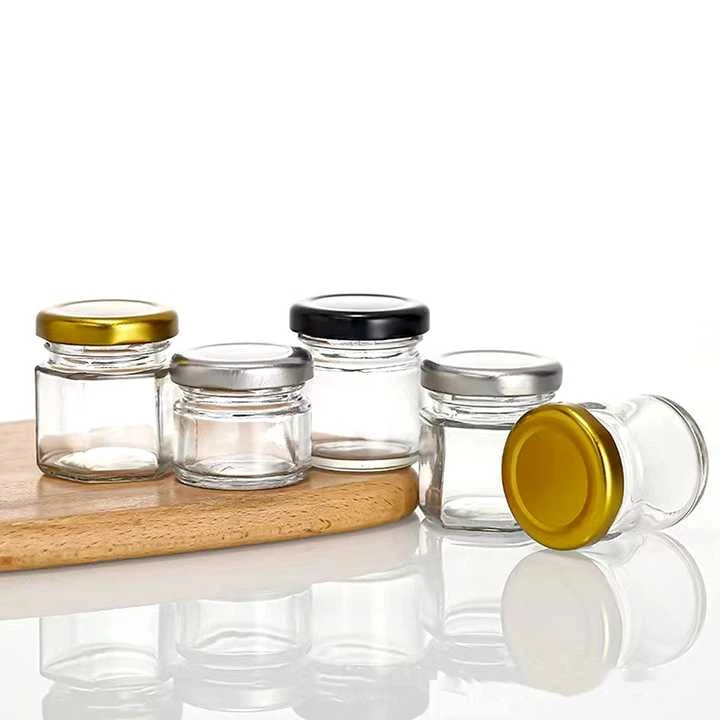
Glass juice bottles come in all sorts of shapes and sizes. Each style works better for different products and business setups.
If you understand the differences between bottle types, neck finishes, and closure systems, you’ll have an easier time matching your packaging to your production process. Whether you use high-pressure processing or hot-fill methods, the right glass bottle keeps your juice safe and helps your brand pop on the shelf.
This guide covers what you need to know about glass juice bottles for small businesses. You’ll get tips on choosing bottle shapes, comparing glass with other materials, and working with suppliers to find packaging that fits your budget and production needs.
Key Takeaways
- Glass bottles protect juice quality, signal premium value, and are fully recyclable
- Bottle shape, size, and neck finish should work with your filling process, storage, and target market
- Finding the right supplier means checking minimum orders, lead times, thermal resistance, and closure compatibility
Why Choose Glass Bottles for Juice Packaging
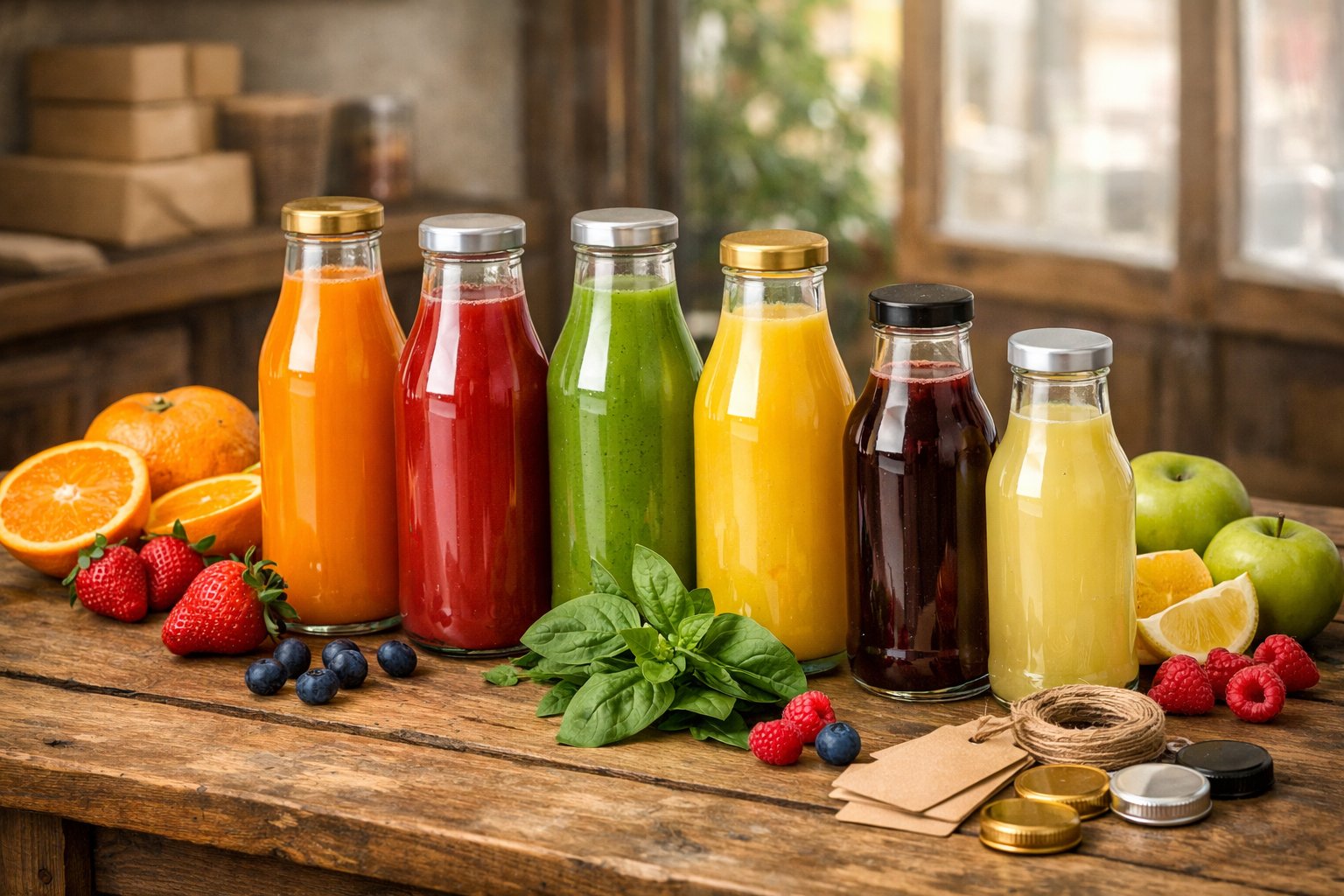
Glass bottles keep your juice tasting fresh while helping your brand stand out. They block harmful light, extend shelf life, and signal quality to health-focused shoppers.
Flavor Preservation and Product Quality
Glass packaging keeps your juice tasting just how you intended. Unlike plastic, glass doesn’t absorb flavors or release chemicals into your drink.
Your cold-pressed apple juice will taste the same on day one and day thirty. The material creates an airtight seal, so oxygen can’t sneak in and degrade your product.
When oxygen gets into juice bottles, it breaks down vitamins and changes the color. Glass bottles with good closures slow down this oxidation process.
Plastic bottles might leach compounds that affect taste, especially if they get warm or sit for a while. Glass stays inert, so your juice’s natural flavors stay pure.
If you offer a bottle return program, reusable glass bottles keep flavor integrity through multiple uses. The smooth interior also doesn’t hold onto bacteria or residue, making glass easy to clean and sterilize.
Shelf Life Enhancement and UV Protection
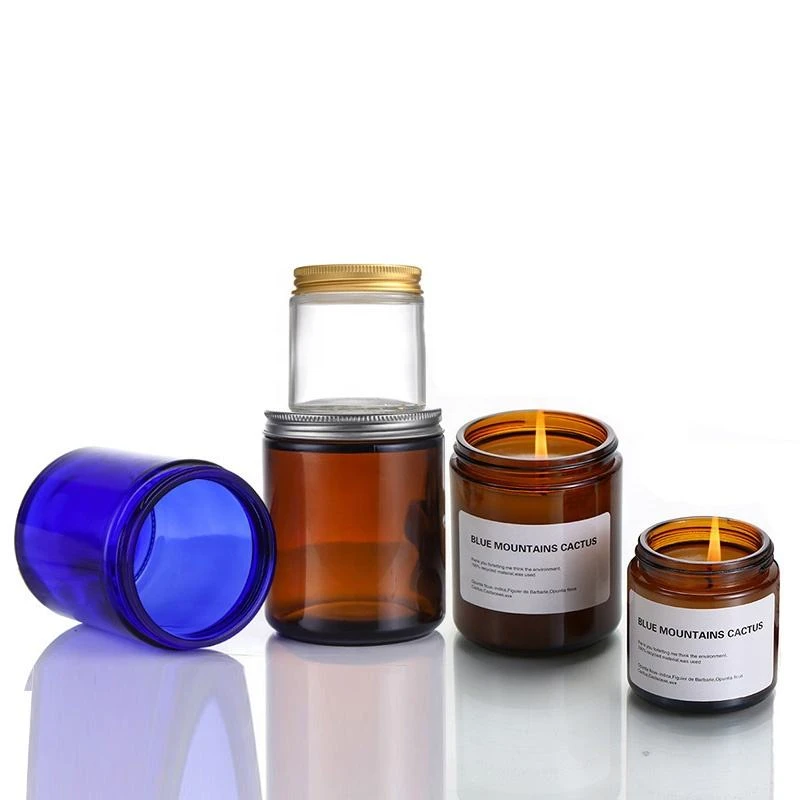
Amber glass and cobalt blue bottles block up to 98% of UV rays that destroy nutrients in your juice. Vitamins like C and B-complex break down fast under light.
Clear glass bottles work fine for short shelf-life products or refrigerated juices. But colored glass is better for products that sit at room temperature or under bright lights.
Thicker glass gives your juice a bit more insulation against temperature swings. That means it keeps its quality better during shipping and storage than thin plastic.
| Glass Type | UV Protection | Best For |
|---|---|---|
| Amber | High (90-98%) | Light-sensitive juices, long shelf life |
| Cobalt Blue | Medium-High (80-90%) | Premium positioning, moderate protection |
| Clear | Low (10-20%) | Refrigerated products, short shelf life |
Consumer Perceptions and Brand Positioning
Glass packaging tells customers your product is premium. Studies show people link glass bottles with freshness and health—and they’ll pay 20-30% more versus plastic.
Sustainable packaging choices matter more than ever. Glass bottles are endlessly recyclable, unlike plastic, which loses quality with each cycle. That positions your business as responsible and maybe even a bit ahead of the curve.
The weight and feel of glass just gives off a sense of value. When customers hold your juice, they notice the substance and care that went into it.
Reusable glass bottles also open doors for loyalty programs. Offer a discount for returned bottles and you’ll encourage repeat purchases while cutting your packaging costs.
Types, Shapes, and Sizes of Juice Glass Bottles
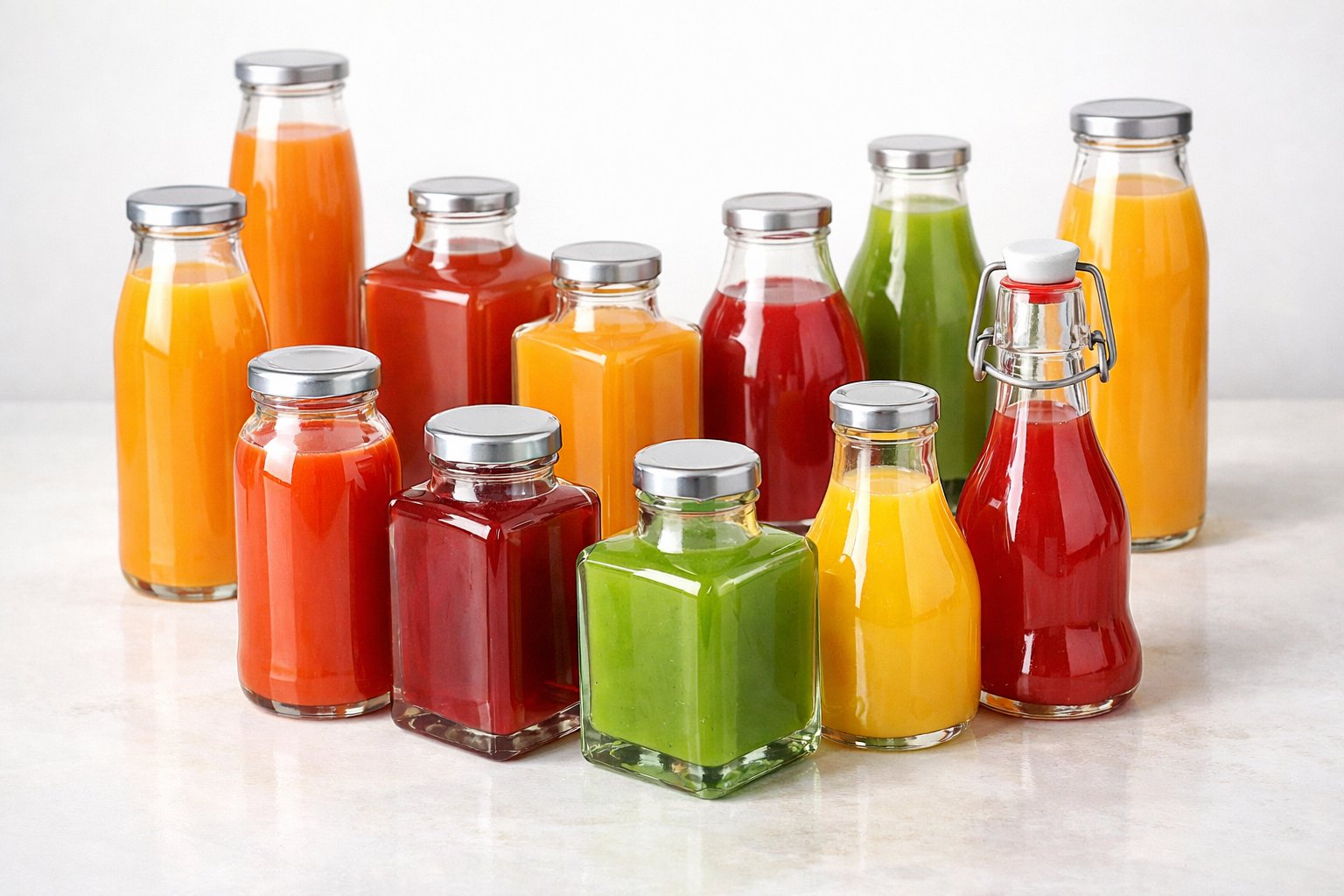
The shape and size of your bottles can change your production costs and shelf appeal. Certain bottle types just work better for different juices, filling methods, or customer groups.
Popular Shapes: Round, Square, and Custom Options
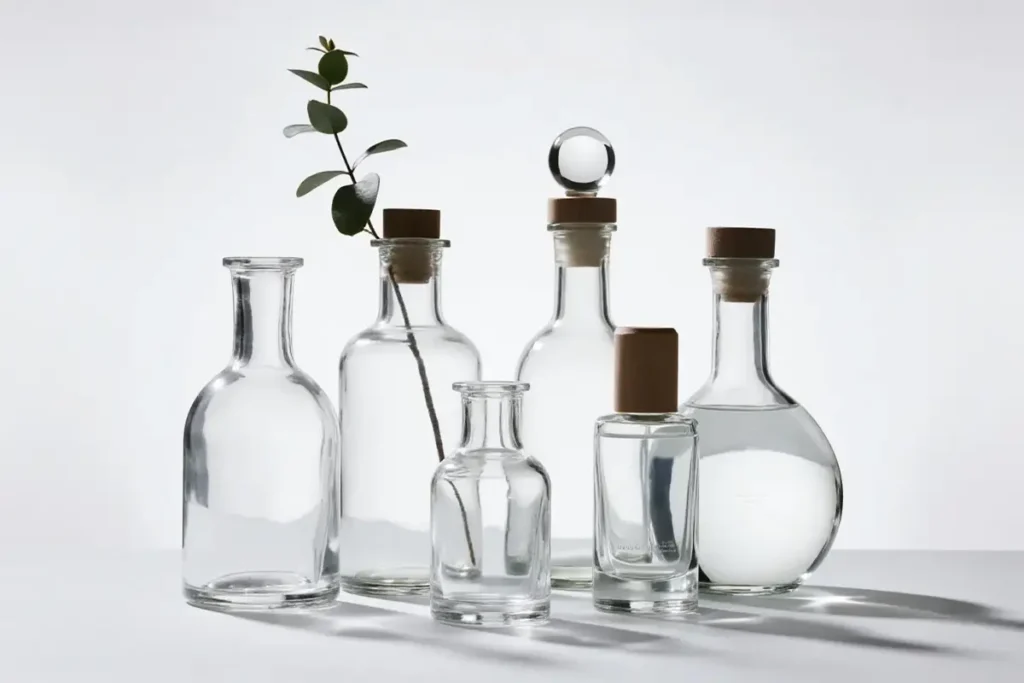
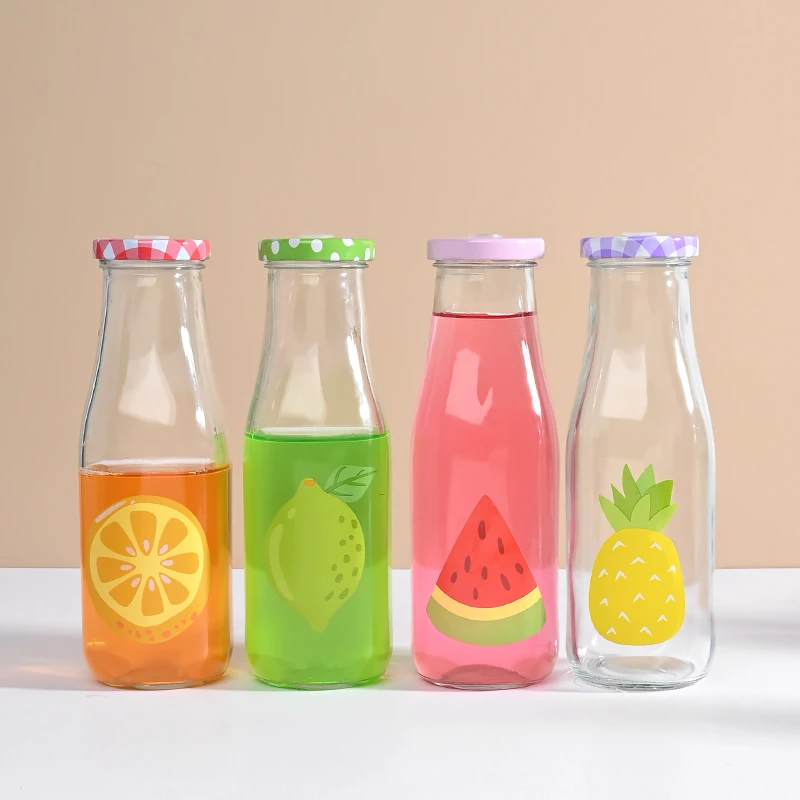
Round bottles are the classic choice for juice. They fit most filling equipment and are easy to label.
They’re comfortable to hold and cheaper to produce since standard molds are widely available. French square bottles have flat sides and a square base, giving you more space for labels and helping bottles stay put during shipping.
They pack tighter in boxes and on shelves, which can save you a bit on shipping. Many cold-pressed juice brands pick this shape to stand out.
Square bottles with rounded corners look unique but still run smoothly on most production lines. If you want something totally different, custom molds let you design a bottle that fits your brand.
You can add texture, curves, or even embossed details. Custom designs cost more upfront and usually mean ordering at least 10,000 bottles. It’s a bigger investment, but it can set your brand apart if you’re ready for it.
Standard Juice Bottle Sizes and Their Applications
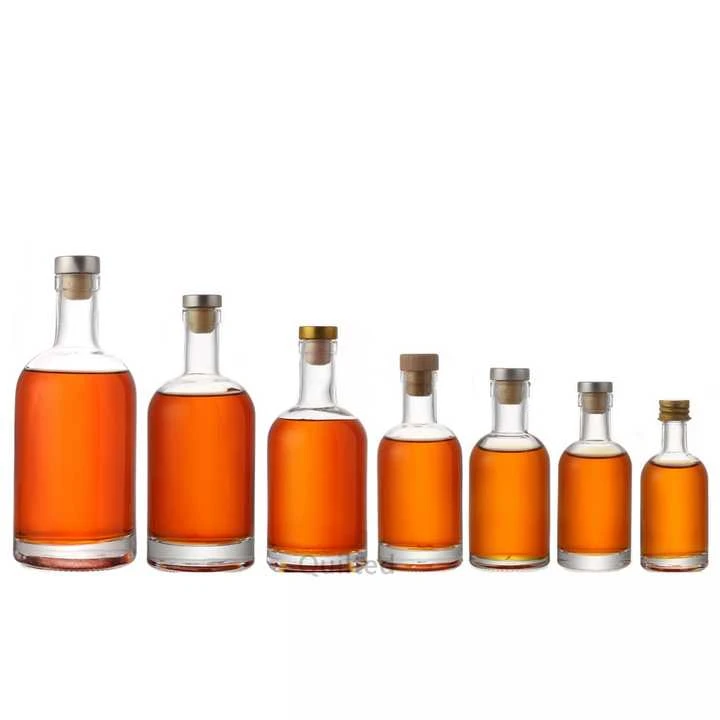
Juice bottle sizes run from tiny shots to big family bottles. Your choice depends on your product and where people will drink it.
| Bottle Size | Common Uses | Target Market |
|---|---|---|
| 200-250ml | Juice shots, wellness drinks | Health stores, gyms |
| 300-330ml | Single-serve retail juice | Cafes, convenience stores |
| 500ml | Meal replacement, premium juice | Grocery stores, delivery services |
| 750ml-1L | Family size, food service | Restaurants, wholesale |
Most small juice businesses start with 300-330ml bottles. They fit most drinking habits and feel right for the price customers expect.
Larger 500ml bottles are great for green juices or meal replacements. Smaller 200-250ml bottles work for concentrated wellness shots or pricier cold-pressed juices.
Neck Finish and Closure Compatibility
Neck finish means the threading and opening style at the top of your bottle. It decides which caps you can use.
The usual neck finishes for juice bottles are 38mm and 43mm continuous thread. You’ll need to match your neck finish to your closure type.
Tamper-evident lids are a must for retail sales in most places. These caps show if someone’s opened the bottle before buying.
Metal screw caps create a tight seal and look upscale. Plastic caps are cheaper and work for juices with shorter shelf lives.
Wide mouth openings (about 58mm or more) help with thick juices that have pulp. Always check with your equipment supplier before picking a neck finish—some filling lines only work with certain bottle openings, and getting it wrong can mean expensive fixes.
Design Features for Branding and Functionality
Your bottle design has to work for production and marketing. Glass thickness affects both durability and shipping weight—heavier bottles feel fancy but cost more to ship.
Hot stamping adds metallic logos or text right onto the glass. It looks sharp and won’t peel off like a label might.
Embossing raises your brand name or logo into the glass. Both methods need custom molds, but the shelf presence is hard to beat.
The bottle base should be flat and stable. Some designs have reinforced bottoms to prevent breakage during filling or transport.
Grip features like vertical lines or texture help customers hold bottles when they’re wet or cold. Label panels matter too—flat areas on bottles give you clean spaces for nutrition facts and branding.
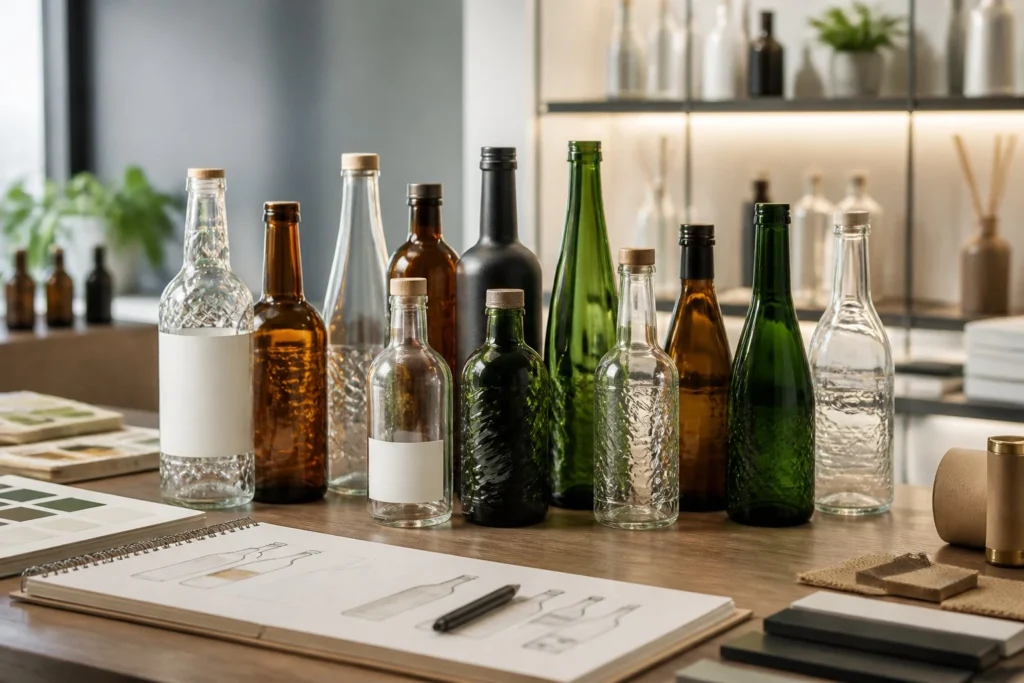
Clear glass shows off your juice’s color, which can help sell fresh products. Amber or green glass protects light-sensitive ingredients but hides the juice inside.
Comparing Glass with Alternative Juice Packaging Materials
Glass bottles compete with a bunch of other packaging materials in the juice world—each has its own pros and cons for cost, preservation, and the environment. If you run a small juice business, it’s worth knowing how plastic, aluminum, and biodegradable options stack up against glass before you decide.
Glass vs. Plastic Bottles
Plastic juice bottles usually come in two types: PET and HDPE. PET bottles are light and shatter-resistant, so they’re cheaper to ship than glass.
HDPE bottles block oxygen better than PET, which can help some juices last longer. Glass still beats both for moisture and oxygen barrier protection.
Your juice keeps its original flavor longer in glass since the material doesn’t interact with what’s inside. Plastic bottles might absorb flavors over time and could leach chemicals, though most modern plastics are BPA-free.
Key Differences:
| Feature | Glass | PET | HDPE |
|---|---|---|---|
| Weight | Heavy | Light | Medium |
| Barrier Properties | Excellent | Moderate | Good |
| Cost | Higher | Lower | Moderate |
| Recyclability | Infinite | Limited cycles | Limited cycles |
Plastic bottles cost less up front and save on shipping. But glass can be recycled endlessly without losing quality, and more shoppers are choosing glass for premium juice brands because of how it looks and feels—and, honestly, because it just seems safer.
Aluminum Bottles and Cartons
Aluminum bottles give your juice products solid protection from light and oxygen. They’re lighter than glass but heavier than plastic, so they fall right in the middle for shipping costs.
Most aluminum bottles already contain recycled content, which helps with sustainability. You can recycle aluminum pretty easily in most places.
Cartons use paperboard plus thin layers of plastic and aluminum to keep moisture out. They’re the lightest beverage packaging around and stack up neatly in storage.
But, because cartons use several materials, recycling them isn’t as simple as single-material bottles. It’s definitely more complicated than tossing a glass or plastic bottle in the bin.
Aluminum bottles fit cold-pressed juices and premium brands that want something fancier than a can. Cartons are ideal for shelf-stable juices that don’t need refrigeration before opening.
Neither one really matches glass for that high-end feel or lets customers see the juice inside. If that’s important to your brand, you’ll want to keep that in mind.
Biodegradable and Eco-Friendly Packaging Choices
Biodegradable juice bottles made from plant-based stuff like PLA (polylactic acid) are a newer option. These bottles break down faster than regular plastic, but only if they’re composted in the right facilities—and not every city has those.
When you pick eco-friendly packaging, don’t just trust the marketing. Glass bottles keep recycling forever and don’t shed microplastics, which is a huge plus.
Biodegradable bottles sound great, but they might not actually compost in regular waste systems. It’s annoying, but you really have to double-check what your local facilities can handle.
If you can set up a bottle return program, glass is probably the greenest pick since you can reuse bottles over and over. For single-use, do your homework—make sure those biodegradable claims actually hold up where your customers live.
Critical Considerations When Sourcing Juice Glass Bottles
The closure system you pick keeps your juice safe and fresh. Your production method also decides which bottles will actually work with your filling line.
Your packaging should show off your brand, so make those design choices count. Sometimes it’s the little things that customers remember.
Tamper-Evident Caps and Lids
Tamper-evident caps and lids are a must for juice. They make it obvious if someone opened the bottle before buying it.
The usual suspects are heat-shrink bands, twist caps with breakable bridges, and vacuum-sealed metal lids. Each one has its own quirks.
Heat-shrink bands wrap around the cap and neck, tearing when someone twists the cap for the first time. They’re cheap and work with most standard bottles.
Twist-off caps with breakable bridges have a thin plastic band connecting the cap to a ring on the neck. The bridge snaps when you open it, which is pretty satisfying in a way.
Metal lids with vacuum buttons seal tight—the lid dips in, and when you open it, you hear that classic “pop.” The button pops up, so you know the seal’s broken.
Always ask your supplier if their tamper-evident lids meet FDA standards. Get some samples and see if they’re easy enough to open but still secure.
Hot Filling and Production Compatibility
Hot filling means pouring juice into bottles at 85°C to 95°C (185°F to 203°F). This kills bacteria and keeps juice fresh longer—no preservatives needed.
Not every glass bottle can handle this heat. You need bottles made for hot filling, with thicker walls and reinforced spots to survive those temperature swings.
Check that your bottles have the right wall thickness for hot filling. If they’re too thin, they’ll crack, and that’s just a mess waiting to happen.
Bottle shape matters for your production speed. Simple, straight bottles zip through automated lines faster than curvy ones. If you’re filling by hand, bottle weight and grip might matter more than you’d think.
The neck finish—the threaded or capped part at the top—has to match both your filling gear and your chosen cap. Common sizes are 38mm, 43mm, and 48mm, but double-check with your suppliers so you don’t end up with a mismatch.
Customization and Branding Solutions
Custom molds let you create a bottle shape that’s totally you. The mold itself can cost anywhere from $3,000 up to $15,000, depending on how wild your design is.
It only makes sense if you’re planning big runs—think 50,000 bottles or more each year. Otherwise, it’s probably overkill.
Embossing raises your logo or text from the glass, while debossing presses it in. Both are built into the mold, so once you pay for that, there’s no extra charge per bottle. It’s a cool way to add a tactile feel.
Hot stamping puts metallic or colored foil right on the glass. It’s perfect for logos or little design accents, and the foil holds up well. Makes the bottle look fancy, honestly.
Stock bottles get you to market faster and cost less upfront. You can stand out with labels, cap colors, and box design instead of a custom bottle—plenty of successful juice brands start this way and only go custom once they’re bigger.
| Customization Method | Setup Cost | Best For | Durability |
|---|---|---|---|
| Custom Mold | $3,000-$15,000 | High-volume brands | Permanent |
| Embossing/Debossing | Included in mold cost | Premium positioning | Permanent |
| Hot Stamping | $500-$2,000 | Logos and accents | High (baked onto glass) |
| Labels | $0-$300 | All businesses | Varies by material |
Ask your glass supplier for design advice before you lock in your bottle choice. They’ll usually spot production issues you might not even think about.
Frequently Asked Questions
Small business owners run into all sorts of headaches picking glass bottles for juice—regulations, shipping costs, and trying to build a brand without breaking the bank.
What are the regulations surrounding the use of glass bottles for juice packaging in small businesses?
Your glass bottles have to meet FDA food-grade standards in the US. The glass must be made for food contact and can’t leach anything nasty into your juice.
Follow Good Manufacturing Practices (GMP) when filling and sealing bottles. That means keeping things clean and controlling temperatures during production.
If you sell juice across state lines, federal labeling rules apply. Labels need ingredients, nutrition facts, allergen warnings, and your business info.
Some states want extra permits or licenses for bottled juice. It’s worth checking with your local health department before you get too far along.
How can small businesses effectively brand their juice products with glass bottle packaging?
Glass bottles open up a lot of branding options that won’t destroy your budget. Paper labels are the cheapest and work well for small runs.
Screen printing straight onto glass gives a premium look that doesn’t fade or peel. It’s best for bigger orders, usually 5,000 bottles or more.
Colored glass—like amber or green—makes your bottles stand out instantly. The color becomes part of your brand, and you don’t have to pay for extra printing.
Custom shapes help your product pop, but you need to order a lot. Most folks start with standard bottles and unique labels, then go custom once sales pick up.
The cap matters too. Metal twist-offs can show your logo, and plastic caps come in plenty of colors to match your vibe.
What are the best practices for ensuring the durability of glass bottles during transport and storage?
Use cardboard dividers in your shipping boxes so bottles don’t touch each other. That alone saves a ton of breakage headaches.
Pack bottles tight so they don’t rattle around. Loose bottles bang together and crack, which is just money down the drain.
Store full bottles upright in a temperature-controlled spot. If it gets too hot or cold, the glass can weaken or even crack.
Pick thicker glass for bottles that travel far. A 250-gram bottle holds up better than a 180-gram one, though it’ll cost a bit more.
Palletize your cases with stretch wrap to keep them from shifting. Corner boards and edge protectors add extra insurance for the outer bottles.
Before you ship a big order, test your packaging. Send some boxes through your usual route and see where things break—or hopefully don’t.
How does the cost of glass bottle packaging compare to alternative packaging options for juice products?
Glass bottles usually run $0.30 to $1.50 each, depending on size and quantity. Plastic bottles are cheaper, often $0.10 to $0.40 per unit.
Shipping glass costs a lot more because it’s heavier. A pallet of glass bottles can weigh three or four times as much as plastic.
On the bright side, glass boosts profit margins for premium juice. Customers often pay $1 to $3 more per bottle for juice in glass versus plastic.
Total costs add up—caps, labels, and stronger boxes for shipping. Glass needs sturdier boxes, which tacks on another $0.15 to $0.25 per bottle.
If you buy in bulk (10,000 bottles or more), you can get price breaks. Most suppliers offer discounts at certain order sizes.
With a bottle return program, glass gets cheaper in the long run. You can reuse glass bottles up to 25 times before they need replacing.
What environmentally sustainable options are available for small businesses using glass bottles for juice packaging?
Glass bottles can be recycled forever without losing quality. Most customers can just toss them in their curbside bin—easy.
You can find post-consumer recycled (PCR) glass bottles with 20% to 80% recycled glass. They work just as well as new bottles but shrink your carbon footprint.
Buying from local bottle suppliers cuts your transportation emissions. Many regions have glass factories within a few hundred miles, which helps.
Lightweight bottles use less glass and energy to make. A 200-gram bottle instead of a 300-gram one trims your carbon footprint by about 30%—not bad.
Deposit return systems work great for local juice businesses. Customers bring back empties for refills or credit, and you get to reuse bottles.
Pick water-based inks and adhesives for your labels—they make recycling easier and cut down on nasty chemicals.
Work with local recycling programs or glass crushers to make sure bottles get recycled right. Some places even turn old glass into new bottles or building materials.
How can small businesses choose the right size and shape for their juice glass bottles to appeal to their target market?
Single-serve juice bottles usually come in 8 to 12-ounce sizes. They work well for grab-and-go customers who want something quick and easy.
These bottles fit in most car cup holders. Commuters often grab them on their way to work—makes sense, right?
Families lean toward larger 32-ounce or even 64-ounce bottles. That way, they get more servings and don’t have to buy as often.
Larger bottles offer better value per ounce. Regular customers also like that they cut down on packaging waste.
Round bottles tend to be the cheapest option. They fit standard labeling equipment, which saves a bit of hassle.
Square or rectangular bottles, though, use shelf space better. They have a modern look that stands out.
Cold-pressed juice brands usually pick straight-sided bottles. That clear, simple shape really shows off the bright juice colors.
It’s an easy way to highlight the fresh, natural vibe of the juice inside. People eat with their eyes first, after all.
Try out different sizes with your regular customers before you buy in bulk. Offer sample sizes and pay attention to which ones disappear first at your chosen price.
Think about your filling equipment when you pick bottle neck sizes. Wide-mouth bottles fill up faster, but you’ll need different capping machines compared to the usual narrow openings.
Your price point should steer your size choices. Premium juices in 10-ounce bottles might sell for $6 to $8, but if you put that same per-ounce price on a 16-ounce bottle, some buyers will hesitate.