Breakage Rate Comparison: Glass Honey Jars vs PET Jars
When packaging honey — a premium natural product — the choice of jar material is more than aesthetic. Among packaging engineers, production managers, and brand owners, breakage rate is a key cost driver. Inventory loss, customer happiness, supply chain effectiveness, and even brand reputation are all impacted. This article explores and compares the breakage rates of glass honey jars and PET (Polyethylene Terephthalate) honey jars, analyzing why differences occur and what they mean for manufacturers, retailers, and end users.
Why Breakage Rate Matters
Breakage rate refers to the percentage of packaging items lost or damaged due to fractures, cracks, or structural failure during manufacturing, transportation, storage, or handling. In the honey industry, where jars are often shipped in bulk, and sometimes over long distances, breakage translates into:
- Direct financial loss from damaged units
- Operational inefficiencies from repackaging and returns
- Environmental waste from unusable containers
- Customer dissatisfaction and reputational risk
Honey’s weight and viscosity often lead buyers to choose sturdy jars. Yet, not all materials respond the same under stress. This makes a breakage rate comparison between glass and PET jars highly relevant for growers, packers, and distributors.
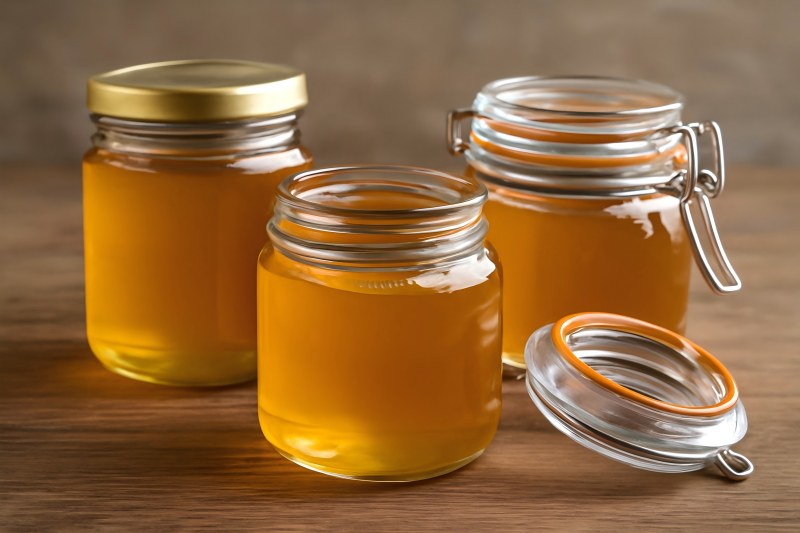
Glass Honey Jars: Features, Strengths, and Weaknesses
Glass’s superior feel, clarity, and chemical inertness have long made glass the material of choice for honey packaging. But glass also brings challenges.
Material Properties
Glass is:
- Rigid and brittle
- Non-porous and impermeable
- Chemically inert
- Recyclable without performance loss
Breakage Characteristics
Because glass lacks flexibility, stress beyond its tolerance leads to catastrophic fractures, not deformation. This means:
- A drop from waist height often shatters the jar
- Temperature change or sudden impact during transport can cause cracks
- Mechanical stress at corners/edges accelerates failure
Typical breakage causes:
- Handling impacts in packing/shipping
- Vibrations during transit
- Stacking pressure in storage
- Temperature shock in warehousing
Impact on Honey Packaging
Glass breakage:
- Results in complete product loss
- Requires clean-up and disposal
- May lead to supplier chargebacks
- Impacts logistics planning (need for cushioning, crate reinforcements)
Despite these concerns, many honey brands continue to use glass for its clarity and perceived premium quality — highly effective for retail shelf appeal and consumer trust.
PET Honey Jars: Features, Strengths, and Weaknesses
Food and beverage packaging frequently uses PET, a lightweight, impact-resistant plastic. It has become more well-liked as a glass substitute, especially in situations where durability and lower transportation costs are important considerations.
Material Properties
PET is:
- Flexible and tough
- Transparent (high clarity)
- Lightweight
- Shatter-resistant
- Highly recyclable
Breakage Characteristics
Unlike glass, PET absorbs and redistributes impact energy. This means:
- PET jars typically dent or deform before breaking
- Severe impacts may still cause cracks, but seldom total fragmentation
- Breakage tends to be stress cracks, seam failures, or neck fractures
Common PET failure modes:
- Crush under load
- Fatigue over repeated stress cycles
- Permeation under pressure
- Stress whitening or micro-cracks from overcompression
3.3 Impact on Honey Packaging
PET jars:
- Rarely shatters completely
- Maintain product containment even when deformed (in some cases)
- They are easier to transport
- Reduce packaging loss
Yet, PET also has limitations:
- Can scratch, affecting clarity
- May absorb odors (less than other plastics, but still present)
- Consumer perception is often less premium than glass
Breakage Rate Comparison: Glass vs PET
Here, we compare factors contributing to breakage rates, supported by empirical expectations often seen in packaging operations.
| Criteria | Glass Honey Jars | PET Honey Jars |
| Material Strength | High compressive, low tensile | Moderate compressive, high tensile |
| Impact Resistance | Very low | High |
| Typical Breakage Mode | Shattering | Deformation or microcracks |
| Transportation Fragility | High | Low |
| Breakage Under Drop Test (~1m) | 10-40% loss depending on packing | <2-10% deformed or failed |
| Storage Handling Losses | Moderate to high | Low |
| Temperature Shock Sensitivity | High | Low |
| Recyclability | Inherent, unlimited | Recyclable, but less due to contamination |
| Consumer Perceived Value | Very high | Moderate |
Note: Actual rates vary by supplier, packing quality, and environment.
Empirical Observations
Industrial packers commonly report:
- Glass jars may see 5-20% breakage during transit if not adequately protected.
- PET jars often show <3% structural failure, mainly due to stacking impacts or forklift mishaps.
These figures reflect extensive use in food packaging — not precisely controlled lab data, but useful industry benchmarks.
Why Glass Has Higher Breakage Rates
Brittle Nature
Glass lacks plasticity. Under impact:
- Stress initiates a crack
- Energy spreads quickly
- Breakage is sudden and total
Sensitivity to Stress Concentration
Thin points like shoulders, corners, and threaded necks are stress risers. Minor defects from manufacturing can grow under load.
Weight-Induced Impact
Glass is heavier. Increased mass results in:
- Greater kinetic energy during drops
- Higher forces on edges and corners
Protective Packaging Requirements
To mitigate breakage, glass jar shipments typically require:
- Bubble wrap or molded inserts
- Dividers in cartons
- Strapping and corner protectors
- More robust pallets
These add cost, increase pack time, and increase overall dimension weight.
Why PET Exhibits Lower Breakage Rates
Energy Absorption
PET’s molecular structure spreads impact energy. Instead of cracking:
- PET compresses
- PET bends
- PET returns to shape (to some degree)
Reduced Weight
The lightweight nature reduces:
- Impact force during drops
- Stress under stacking loads
Flexibility
Under pressure, PET deforms before structural failure — often allowing the jar to be usable despite minor dents.
Less Need for Protective Packing
PET jars can be shipped with minimal cushioning, lowering packaging cost and breakage exposure.
Practical Cost Implications of Breakage
Breakage doesn’t just mean lost containers — the effects ripple through the value chain.
Direct Loss Costs
- Glass: Each broken jar = full jar + product loss
- PET: Often no honey lost even if the jar is deformed; recoverable with rework
Example:
If a jar costs $1.50 and contains 500g honey, sold at $7.00:
Glass breakage loses both jar and honey
PET deformation may only lose the jar if the product can be repacked
Packaging & Handling Costs
Glass requires:
- Higher packaging cost
- Additional labor
- Longer packing time
PET requires:
- Fewer fillers
- Faster packing
- Lower freight cost (lighter weight)
Insurance and Damage Claims
Frequent glass breakage may lead to:
- Higher freight insurance premiums
- Supplier claims from retailers
- Damaged reputation with partners
- PET’s lower breakage smooths operations.
Environmental Considerations
Breakage isn’t only economic — it has sustainability implications.
Glass
Pros:
- Infinitely recyclable
- Inert material
Cons:
- High energy to recycle
- Breakage contributes to waste and requires remelting
PET
Pros:
- Lightweight = lower transportation emissions
- Recyclable into many products
Cons:
- Limited recycling cycles compared to glass
- Contamination risk with sticky products like honey
Breakage reduction reduces waste. In this sense, PET has an edge because fewer units are wasted in handling and transit.
Consumer Perception and Brand Impact
Glass: Premium Feel
Glass jars are associated with:
- Tradition
- Quality
- Recyclability
Brands often choose glass to appeal to:
- Artisan honey buyers
- Premium markets
- Gift packaging
PET: Practical and Functional
PET is valued for:
- Durability
- Safety
- Convenience
Some consumer segments prefer PET for:
- Travel
- Outdoor use
- Families with children
Thus, breakage perception also ties into brand positioning.
Choosing Between Glass and PET Based on Breakage Rates
When Glass Makes Sense
Choose glass if:
- You target premium retail shelves
- Visual clarity and weight convey value
- Logistics handles breakage costs effectively
Mitigation:
- Use thicker glass
- Add protective packaging
- Train handling staff
When PET Excels
Choose PET if:
Low breakage is a priority
- You ship long distances
- Cost efficiency matters
- Safety and light weight matter
Mitigation:
- Use high-crystallinity PET for strength
- Design molds to avoid stress points
- Monitor recycling to improve sustainability
Case Study Insights
Many honey producers have shifted to PET for:
- E-commerce fulfillment (less breakage in last-mile delivery)
- Bulk shipments to distributors
- Children’s product lines
Conversely, boutique brands often retain glass for:
- Retail presence
- Gift sets
- High-end pricing strategies
Breakage rate data in recent multi-client surveys support:
- Glass breakage often 2–3× higher than PET
- PET deformation rarely reaches 5% even under heavy freight conditions
Note: Actual rates vary by supplier, packing quality, and environment.
Empirical Observations
Industrial packers commonly report:
- Glass jars may see 5-20% breakage during transit if not adequately protected.
- PET jars often show <3% structural failure, mainly due to stacking impacts or forklift mishaps.
These figures reflect extensive use in food packaging — not precise controlled lab data, but useful industry benchmarks.
Why Glass Has Higher Breakage Rates
Brittle Nature
Glass lacks plasticity. Under impact:
- Stress initiates a crack
- Energy spreads quickly
- Breakage is sudden and total
Sensitivity to Stress Concentration
Thin points like shoulders, corners, and threaded necks are stress risers. Minor defects from manufacturing can grow under load.
Weight-Induced Impact
Glass is heavier. Increased mass results in:
- Greater kinetic energy during drops
- Higher forces on edges and corners
Protective Packaging Requirements
To mitigate breakage, glass jar shipments typically require:
- Bubble wrap or molded inserts
- Dividers in cartons
- Strapping and corner protectors
- More robust pallets
These add cost, increase pack time, and increase overall dimension weight.
Why PET Exhibits Lower Breakage Rates
Energy Absorption
PET’s molecular structure spreads impact energy. Instead of cracking:
- PET compresses
- PET bends
- PET returns to shape (to some degree)
Reduced Weight
The lightweight nature reduces:
- Impact force during drops
- Stress under stacking loads
Flexibility
Under pressure, PET deforms before structural failure — often allowing the jar to be usable despite minor dents.
Less Need for Protective Packing
PET jars can be shipped with minimal cushioning, lowering packaging cost and breakage exposure.
Practical Cost Implications of Breakage
Breakage doesn’t just mean lost containers — the effects ripple through the value chain.
Direct Loss Costs
- Glass: Each broken jar = full jar + product loss
- PET: Often no honey lost even if jar deformed; recoverable with rework
Example:
If a jar costs $1.50 and contains 500g honey sold at $7.00:
Glass breakage loses both jar and honey
PET deformation may only lose the jar if product can be repacked
Packaging & Handling Costs
Glass requires:
- Higher packaging cost
- Additional labor
- Longer packing time
PET requires:
- Fewer fillers
- Faster packing
- Lower freight cost (lighter weight)
Insurance and Damage Claims
Frequent glass breakage may lead to:
- Higher freight insurance premiums
- Supplier claims from retailers
- Damaged reputation with partners
- PET’s lower breakage smooths operations.
Environmental Considerations
Breakage isn’t only economic — it has sustainability implications.
Glass
Pros:
- Infinitely recyclable
- Inert material
Cons:
- High energy to recycle
- Breakage contributes to waste and requires remelting
PET
Pros:
- Lightweight = lower transportation emissions
- Recyclable into many products
Cons:
- Limited recycling cycles compared to glass
- Contamination risk with sticky products like honey
Breakage reduction reduces waste. In this sense, PET has an edge because fewer units are wasted in handling and transit.
Consumer Perception and Brand Impact
Glass: Premium Feel
Glass jars are associated with:
- Tradition
- Quality
- Recyclability
Brands often choose glass to appeal to:
- Artisan honey buyers
- Premium markets
- Gift packaging
PET: Practical and Functional
PET is valued for:
- Durability
- Safety
- Convenience
Some consumer segments prefer PET for:
- Travel
- Outdoor use
- Families with children
Thus, breakage perception also ties into brand positioning.
Choosing Between Glass and PET Based on Breakage Rates
When Glass Makes Sense
Choose glass if:
- You target premium retail shelves
- Visual clarity and weight convey value
- Logistics handles breakage costs effectively
Mitigation:
- Use thicker glass
- Add protective packaging
- Train handling staff
When PET Excels
Choose PET if:
- Low breakage is a priority
- You ship long distances
- Cost efficiency matters
- Safety and light weight matter
Mitigation:
- Use high-crystallinity PET for strength
- Design molds to avoid stress points
- Monitor recycling to improve sustainability
Case Study Insights
Many honey producers have shifted to PET for:
- E-commerce fulfillment (less breakage in last-mile delivery)
- Bulk shipments to distributors
- Children’s product lines
Conversely, boutique brands often retain glass for:
- Retail presence
- Gift sets
- High-end pricing strategies
Breakage rate data in recent multi-client surveys support:
- Glass breakage is often 2–3× higher than PET
- PET deformation rarely reaches 5% even under heavy freight conditions
Conclusion
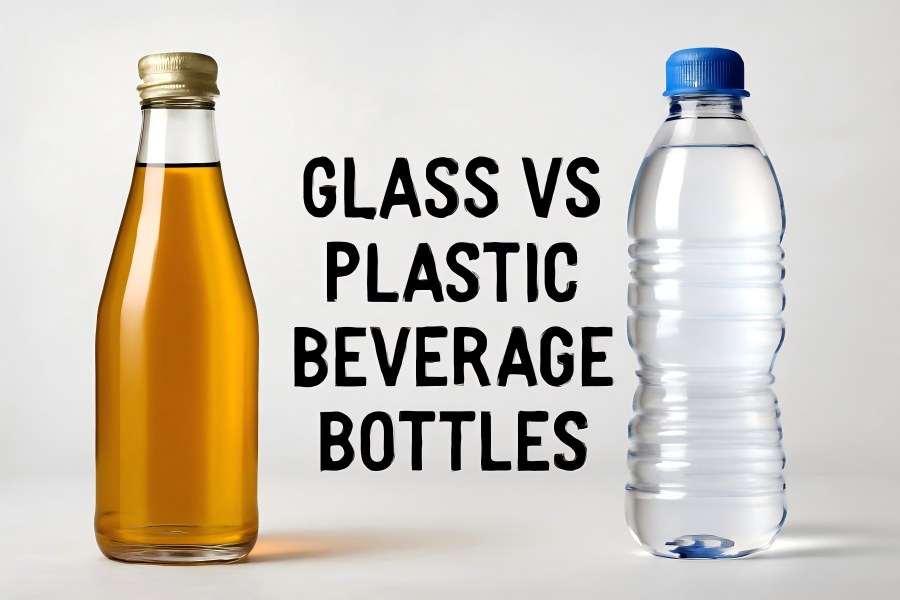
Breakage rate is a critical factor in honey packaging decisions. Glass jars deliver a premium look but suffer higher breakage due to weight and brittleness, while PET jars offer superior durability, lower losses, and cost efficiency. The right choice depends on brand positioning, logistics demands, and cost priorities—balancing consumer perception with operational practicality.
Breakage rate is a critical factor in honey packaging decisions. Glass jars deliver a premium look but suffer higher breakage due to weight and brittleness, while PET jars offer superior durability, lower losses, and cost efficiency. The right choice depends on brand positioning, logistics demands, and cost priorities—balancing consumer perception with operational practicality.