Choosing the Right Glass Jar for Your Food Product: Factors to Consider
Glass jars are a popular choice for food packaging due to their premium look, non-reactive nature, and ability to preserve taste and quality. Whether for jams, pickles, sauces, or beverages, selecting the right jar is key to maintaining product integrity, shelf appeal, and consumer satisfaction. This article covers the key factors to consider when choosing the perfect glass jar, from size and shape to durability and environmental impact.
Why Choose Glass Jars for Food Packaging?
Before examining the key selection factors, it’s essential to understand why glass is such a widely preferred material for food packaging. Glass jars have several distinct advantages over other packaging options:
- Non-reactive Nature: Glass does not leach chemicals into food, which means it won’t alter the flavor or quality of the product.
- Premium Feel: Glass offers a premium appearance, which can elevate the perceived quality of the food product.
- Sustainability: Glass is 100% recyclable, making it a more eco-friendly and environmentally responsible alternative to plastic.
- Preservation: Glass jars provide a superior seal, keeping the food fresh for longer periods.
- Versatility: Available in numerous shapes and sizes, glass jars adapt easily to a broad range of food products.
Key Factors in Choosing the Ideal Glass Jar for Food Use
Choosing the right glass jar requires more consideration than simply picking one off the shelf. Your choice may be influenced by several critical factors.
Size Specifications and Capacity
Choosing the right glass jar size is one of the first decisions you’ll need to make. Glass jars come in a variety of sizes, and the one you choose will depend on the nature of your product and the market you’re targeting.
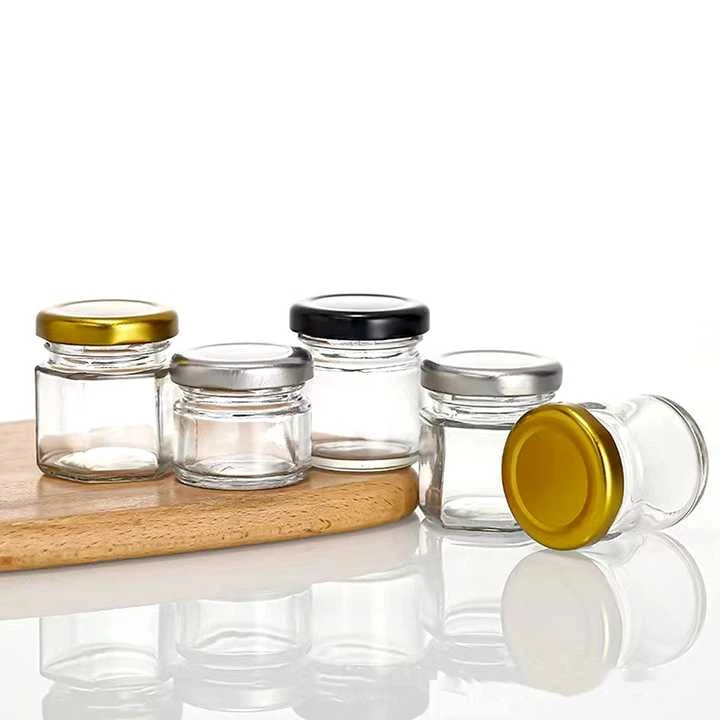
- Smaller Jars (50-200 mL): Best for single servings or high-end products like gourmet jams, spreads, and sauces. These jars are ideal for premium brands or niche products where the target audience values portion control and quality.
- Medium Jars (200-500 mL): Popular for products like pickles, sauces, and condiments. This size offers excellent versatility, making it ideal for both retail distribution and bulk purchasing.
- Larger Jars (500 mL and above): Ideal for bulk items like honey, fruit preserves, or beverages. Larger jars are great for value-driven products and larger families.
Jar Size Comparison for Different Food Products
| Food Product Type | Recommended Jar Size | Ideal Use Case |
| Jams and Jellies | 150-250 mL | Small, single-serving jars for gourmet jams and spreads |
| Sauces and Condiments | 250-500 mL | Perfect for everyday use and for family-sized portions |
| Honey and Syrups | 500-1000 mL | Ideal for bulk, high-volume products |
| Pickles and Olives | 200-350 mL | Smaller jars for quick consumption or shelf appeal |
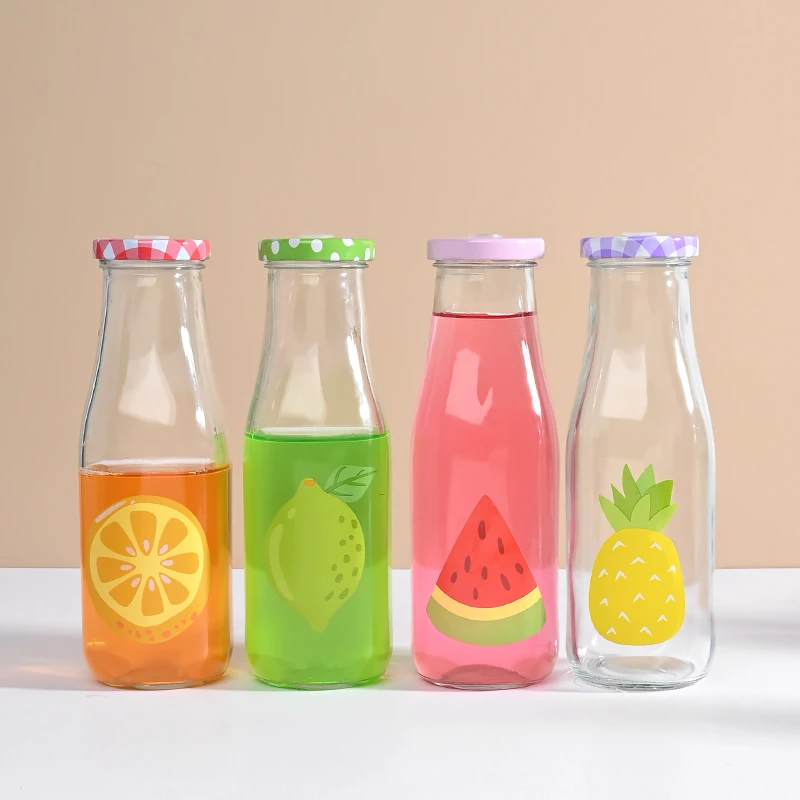
| Beverages (e.g., juices) | 250-500 mL | Common size for ready-to-drink beverages |
Jar Shape
The design of a glass jar greatly influences both its practical performance and its visual appeal. The shape affects how easy it is to handle, store, and pour the product. It also helps define the product’s image in the eyes of consumers.
- Straight-Sided Jars: These are the most common and versatile type. They offer a clean, simple look and are easy to store and stack. Straight-sided jars are a great choice for products that require quick access and are often used for condiments, sauces, and jams.
- Curved Jars (e.g., hexagonal or round): These jars tend to look more premium and are often used for higher-end or artisanal products. The unique shapes can create a more appealing visual presence on shelves, making them ideal for products like honey or premium sauces.
- Wide-Mouth Jars: These jars have a larger opening, making it easier to fill and consume products that have chunks or particulate matter, such as pickles, jams with fruit chunks, or honey.
Glass Jar Shapes and Their Best Uses
| Jar Shape | Best for | Advantages |
| Straight-Sided | Sauces, honey, pickles, jams | Efficient use of space, easy to fill, and stackable |
| Hexagonal | Premium jams, honey, gourmet sauces | Attractive, premium appearance |
| Round or Oval | Smoothies, juices, ready-to-drink beverages | Great for shelf appeal and easy gripping |
| Wide-Mouth | Pickles, chunky sauces, preserves | Ideal for thicker products or items with solids |
Closure Type
The closure you choose will play an important role in the jar’s sealing ability, which directly impacts the freshness and shelf life of the food product. There are several types of closures to consider:
- Twist-Off Lids: These are the most common type of closures and are often used with jams, sauces, and other shelf-stable products. Twist-off lids are simple to operate while delivering a secure, reliable seal.
- Snap-On Lids: These are more commonly used for items like beverages and some sauces. They offer a tight seal, although they may not always be as airtight as twist-off lids.
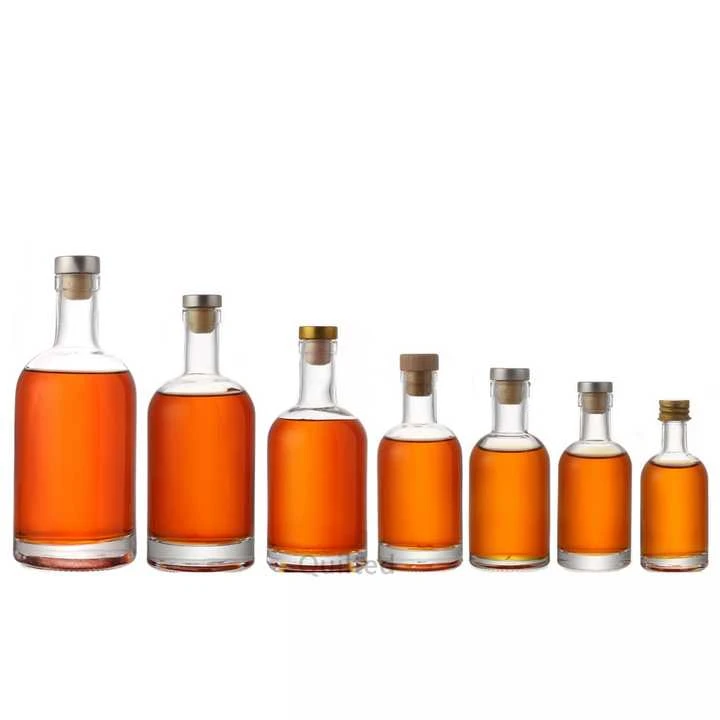
- Cork or Metal Caps: These are often used for premium products like high-end spirits, artisanal sauces, and infused oils. They offer a rustic or sophisticated appeal and can be used for products that are intended to be consumed slowly or kept for long periods.
- Plastic Lids: Though not as popular for premium products, plastic lids are commonly used for products that are intended for casual consumption, such as pickles or deli items.
Closure Types and Their Best Applications
| Closure Type | Best for | Pros | Cons |
| Twist-Off Lids | Jams, sauces, preserves | Airtight seal, easy to open | Less premium look |
| Snap-On Lids | Beverages, sauces | Convenient, secure | Not as airtight as twist-off |
| Cork or Metal Caps | Premium products, spirits, oils | High-end appeal, durable | Expensive, harder to open |
| Plastic Lids | Pickles, deli items | Cost-effective, practical | Not ideal for high-end items |
Durability and Safety
When choosing a glass jar, it is important to consider its durability, especially if the product will be shipped over long distances. Glass jars must be durable enough to endure handling and transport while keeping their contents safely protected.
- Impact Resistance: Some glass jars are designed to be more resistant to breakage, which can reduce the likelihood of damage during transit or storage.
- Thermal Resistance: Jars used for hot-filled products, such as sauces and jams, need to withstand high temperatures without cracking or warping.
Glass Jar Durability Features
| Durability Feature | Ideal for | Benefit |
| Impact Resistance | Shipping, bulk orders | Prevents breakage during transport |
| Thermal Resistance | Hot-filled sauces, jams | Ensures no cracking when filling with hot product |
Environmental Impact
Consumers are increasingly aware of the environmental impact of packaging. Glass is a sustainable choice, but there are still ways to improve its environmental footprint.
- Recyclability: Glass is 100% recyclable, which makes it an environmentally friendly option.
- Reusable Jars: Many brands inspire consumers to reuse jars, supporting sustainability efforts and helping minimize packaging waste.
- Lightweighting: Although glass is typically heavier than plastic, advances in manufacturing allow for lighter jars that reduce transportation costs and energy use.
Environmental Impact of Glass Jars vs. Plastic Packaging
| Factor | Glass Jars | Plastic Packaging |
| Recyclability | 100% recyclable | Limited recycling |
| Reusability | Highly reusable | Often single-use |
| Carbon Footprint | Moderate (heavy) | Low (lighter) |
| Energy Consumption | High during production | Low production cost |
Brand and Aesthetic Appeal
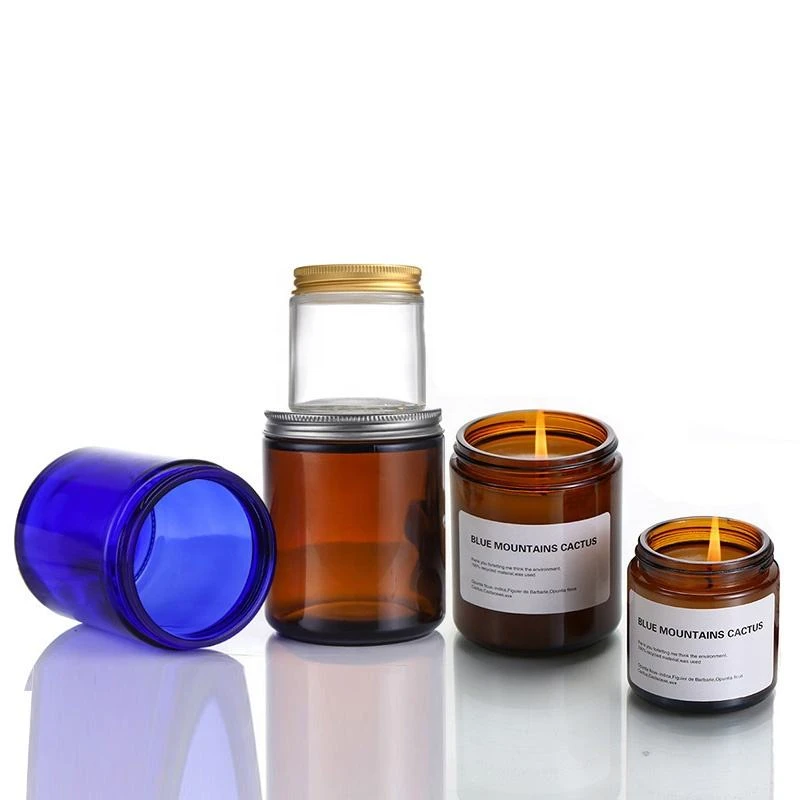
Lastly, the aesthetic appeal of your glass jar can be a powerful tool in brand positioning. Glass jars are often chosen for their ability to showcase the product inside and create a premium feel. Reusable jars can be customized in shape, color, and labeling to enhance shelf appeal and capture consumer attention.
Choosing the right glass jar for your food product involves considering size, shape, closure, durability, and environmental impact. By aligning these factors with your product’s needs and consumer preferences, you can enhance quality, appeal, and shelf life. Glass jars provide a reliable, sustainable option for both premium and eco-friendly packaging.