Embossed vs. Printed Glass Bottles: Which Is Better for Branding?
Glass bottles have long been a premium choice for packaging across industries — from craft beverages and spirits to cosmetics and luxury goods. When it comes to branding, a bottle’s design and surface finish are crucial in influencing consumer perception and boosting sales. Two of the most popular branding options for glass bottles are embossing and printing. Each method carries unique advantages and limitations in terms of aesthetics, cost, durability, and overall brand impact.
Understanding Embossed and Printed Glass Bottles
What Are Embossed Glass Bottles?
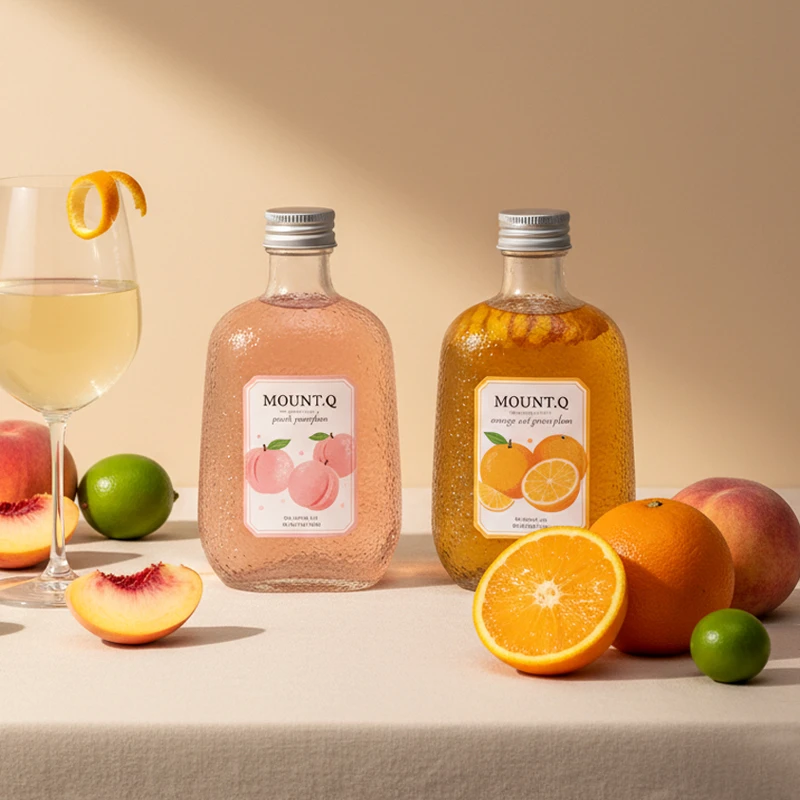
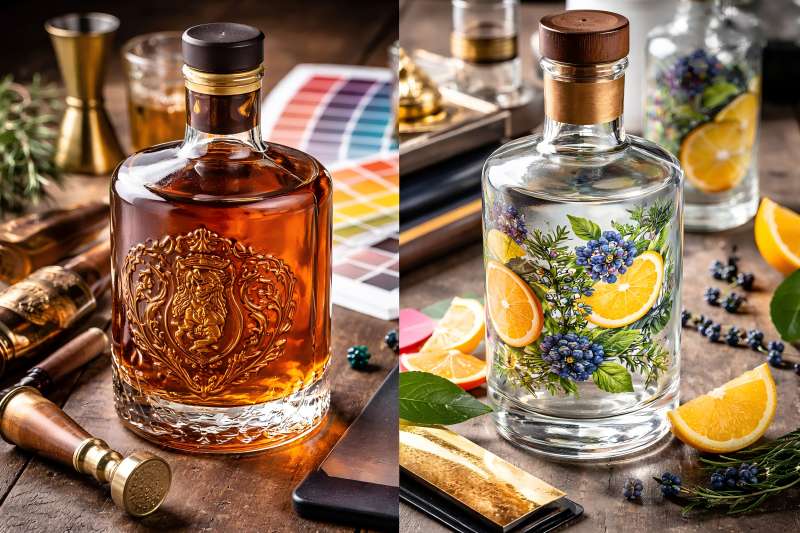
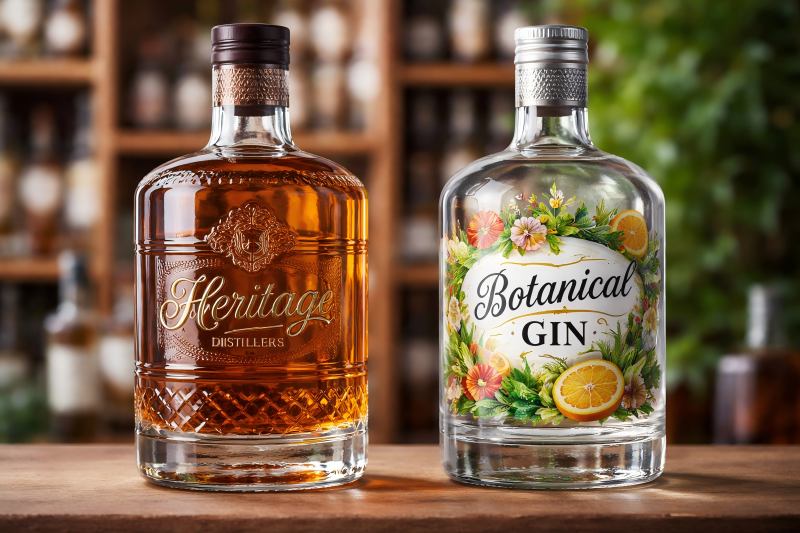
Embossed glass bottles are created by integrating raised or recessed designs directly into the glass during the mold-making process. These designs can include logos, text, symbols, patterns, or other decorative elements.
Key Characteristics of Embossed Bottles:
- Designs are part of the bottle structure.
- No additional inks or labels required.
- Offers a tactile brand experience.
What Are Printed Glass Bottles?
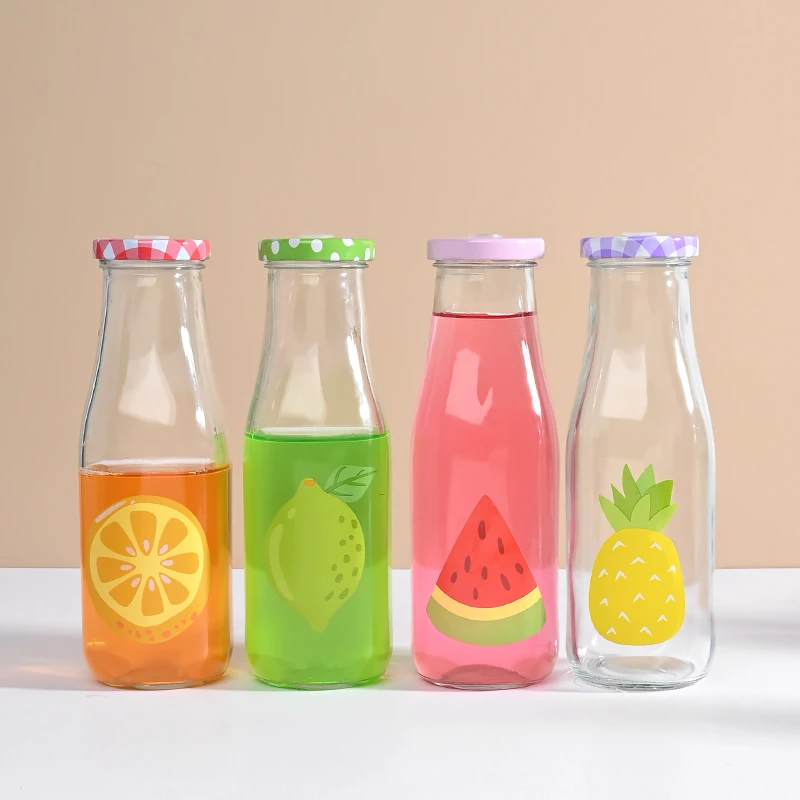
Printed glass bottles use surface printing techniques to apply graphics, text, or decorative elements directly to the bottle’s exterior using specialized inks.
Common Printing Methods Include:
- Screen Printing – layered printing for opaque and vibrant graphics.
- Digital Printing – high-resolution designs and photographic art.
- Pad Printing – small, detailed elements like logos or product codes.
Why Effective Bottle Branding Makes a Difference
Packaging is often the consumer’s first direct interaction with a product. Strategic branding applied to glass bottles can:
- Enhance shelf appeal with eye-catching packaging that draws immediate attention.
- Convey Brand Values – premium designs suggest quality, heritage, or innovation.
- Improve Consumer Recall – memorable designs help consumers remember your product.
- Enhance Perceived Value – tactile and visual branding can shift perception to “luxury.”
- Skillfully executed embossed or printed designs serve as a powerful asset in a brand’s marketing strategy.
Comparative Analysis: Embossed vs. Printed Glass Bottles
Let’s break down how embossed and printed bottles stack up across key criteria relevant to branding.
Visual Aesthetics and Brand Perception
| Criteria | Embossed Glass | Printed Glass |
| Visual Impact | Subtle, elegant, timeless | Bold, colorful, flexible |
| Brand Positioning | High-end, traditional, premium | Modern, expressive, dynamic |
| Design Complexity | Limited to shapes and text | Almost unlimited graphics |
| Color Options | None (clear/texture only) | Full-color gamut |
Analysis:
Embossed bottles communicate heritage and craftsmanship, making them ideal for spirits, boutique beverages, and premium cosmetic lines.
Printed bottles allow vivid imagery and complex messages, which are effective for contemporary brands, seasonal campaigns, and storytelling through artwork.
Durability and Longevity
| Factor | Embossed Glass | Printed Glass |
| Wear Resistance | Extremely high (integral design) | Varies depending on ink type and finish |
| Fading Risk | None | Possible with exposure to sunlight and wear |
| Scratch Resistance | Excellent | Medium to low (without protective coating) |
Analysis:
Embossed elements are part of the glass, making them inherently more durable over time. Printed designs, while visually versatile, may degrade or scratch unless protected with coatings or specialized inks.
Branding Flexibility
| Feature | Embossed Glass | Printed Glass |
| Seasonal Updates | Not practical | Easy and cost-effective |
| Customization | Requires new molds | No molds needed |
| Limited Editions | Expensive | Straightforward |
Analysis:
Printed glass bottles excel in flexibility. Brands that frequently update artwork, run limited editions, or experiment with seasonal designs will benefit from printing technology over fixed embossing.
Cost Implications
| Cost Element | Embossed Bottles | Printed Bottles |
| Upfront Tooling | High (custom molds) | Low |
| Unit Production Cost | Moderate | Depends on print complexity |
| Rebranding Cost | High | Low to medium |
Analysis:
Embossed bottles involve higher initial costs due to custom molding but may offer savings long-term if the design is static. Printed bottles have lower setup costs but higher variable costs for complex designs or color use.
When to Choose Embossed Glass Bottles
Ideal Scenarios:
Premium or Heritage Brands
- Bottles with raised logos or crests convey a sense of legacy and quality.
High-end Spirits and Wines
- Consumers expect tactile, elegant packaging.
Minimalist and Luxury Products
- Embossing allows a product to “speak without shouting.”
Reusable or Collectible Packaging
- Embossed designs add to long-term aesthetic value.
Advantages of Embossed Bottles
- Tactile Branding – consumers can feel the brand.
- Timeless Elegance – fewer design elements means less visual noise.
- Durable Branding – design won’t chip or wear off over time.
- Eco-Friendly Impression – no inks or synthetic coatings.
Limitations of Embossed Bottle Branding
- Design Constraints – limited to shapes and textures.
- Higher Initial Costs – requires investment in custom molds.
- Color Limitations – unable to use color branding without additional printing or labeling.
When to Choose Printed Glass Bottles
Ideal Scenarios:
Brands with Vibrant, Story-Driven Graphics
- Beverage labels, art glass, and visual storytelling shine with print.
Limited Editions or Seasonal Releases
- Change designs without new molds.
Complex Product Information
- Nutritional facts, usage instructions, legal text.
Promotional or Campaign-Focused Brands
- Tailored prints for special events or co-branding.
Advantages of Printed Bottles
- Design Freedom – custom graphics, logos, and photography.
- Quick Turnarounds – rapid updates for campaigns.
- Lower Tooling Costs – no injection tools for print setups.
- Colorful Branding – multiple ink layers and finishes.
Limitations of Printed Bottle Branding
- Durability Challenges – risk of chipping or fading without protective coatings.
- Perceived Value – may not feel as luxurious as embossed alternatives.
- Environmental Concerns – Some inks and coatings can complicate recycling.
- Print Registration Issues – alignment and consistency must be controlled.
Hybrid Approaches: Best of Both Worlds
Some brands successfully combine embossing and printing to maximize both aesthetics and flexibility.
Examples of Hybrid Branding:
Embossed Logo + Printed Label or Graphics
- The logo is etched into the glass, with printed text or art around the body.
Embossed Base with a Full-Color Printed Wrap
- Enhances the design with greater depth and visual dimension.
Embossed Texture with Spot UV Print
- Uses tactile textures with targeted glossy printed elements.
Table: Hybrid Branding Use Cases
| Component | Embossed | Printed | Combined Impact |
| Logo | ✔️ | Optional | Brand identity feels permanent and premium |
| Artwork | ❌ | ✔️ | Visual storytelling and color impact |
| Text/Info | ❌ | ✔️ | Clear communication of product details |
| Tactile Elements | ✔️ | Optional | Enhanced consumer engagement |
Analysis:
Hybrid approaches are especially effective where both heritage and contemporary design are crucial — for example, a craft spirit that also wants seasonal artwork.
Environmental and Sustainability Considerations
Sustainability is now a core concern for many brands and consumers alike. How do embossed and printed bottles compare from an eco perspective?
Recyclability
Embossed Glass Bottles
Fully recyclable as they contain no inks or coatings that interfere with glass recycling streams.
Printed Glass Bottles
Some inks and coatings may need to be removed in recycling facilities, depending on local processes.
Carbon Footprint
| Branding Type | Production Emissions | Reuse/Recycling Impact |
| Embossed | Higher upfront due to molds | Better recycling compatibility |
| Printed | Lower upfront | Mixed, depending on ink/coating |
Insight:
Embossed bottles may have a higher initial carbon footprint from mold production but can yield better sustainability performance over time due to easier recycling.
Case Studies: Branding Wins with Embossed and Printed Glass
Case 1: Craft Whiskey with Embossing
A boutique whiskey brand chose embossing to elevate the perception of heritage and craftsmanship. The embossed crest and signature on the bottle increased perceived value and differentiated the product within a crowded shelf.
Key Takeaways:
- Premium consumers responded positively.
- Retailers highlighted the bottle as distinctive.
- Repeated brand elements reinforced identity.
Case 2: Seasonal Beverage with Printed Artwork
A craft soda company ran a limited Halloween edition with vibrant, illustrated characters and color themes. The printed designs were vibrant and quickly produced without new bottle molds.
Key Takeaways:
- Sales increased due to collectible appeal.
- Print allowed rapid design changes.
- No long-term production commitments.
Cost Comparison: Embossed vs. Printed Glass
Estimated Cost Breakdown
| Cost Element | Embossed Bottle | Printed Bottle |
| Custom Mold Creation | High ($5K–$20K+) | N/A |
| Per Unit Production | Moderate | Moderate to High (depends on ink & prints) |
| Artwork Updates | High (new mold) | Low (digital/print adjustments) |
| Total 10,000 Units | Higher | Lower |
| Total 100,000 Units | Moderate | Moderate |
Note: Prices vary by region, volume, and complexity.
Final Verdict: Which Is Better for Branding?
There is no one-size-fits-all answer. The choice between embossed and printed glass bottles depends largely on your brand’s positioning, budget, and marketing strategy.
Choose Embossed Glass If:
- You want premium, tactile branding.
- The brand identity remains static over time.
- Longevity and durability are priorities.
- Sustainability and recyclability are key selling points.
Choose Printed Glass If:
- You need versatile and vibrant storytelling.
- You plan frequent design updates.
- Cost minimization and campaign agility matter.
- You require complex graphics or text information
Choose a Hybrid Approach If:
- Your brand wants both heritage and modern expression.
- You’re running limited editions or seasonal campaigns.
- You want maximum consumer engagement through design depth.
Both embossed and printed glass bottles offer powerful branding opportunities — but they serve different strategic needs.
- Embossed bottles elevate perceived value and enforce a timeless brand legacy.
- Printed bottles enable design freedom and marketing flexibility.
- Hybrid solutions combine the strengths of both.
The best choice for your brand should align with your brand personality, target audience, sustainability goals, and long-term packaging strategy. By recognizing the advantages and trade-offs of each approach, you can make well-informed choices that reinforce brand identity, boost market appeal, and create memorable customer experiences.