Everything You Should Know About Glass Car Diffuser Bottles
Glass car diffuser bottles are essential components in vehicle fragrance systems that combine form and function. Unlike plastic alternatives, glass offers chemical stability, visual quality, and a premium feel that enhances both user experience and brand appeal.
Glass Car Diffuser Bottle: What Is It?
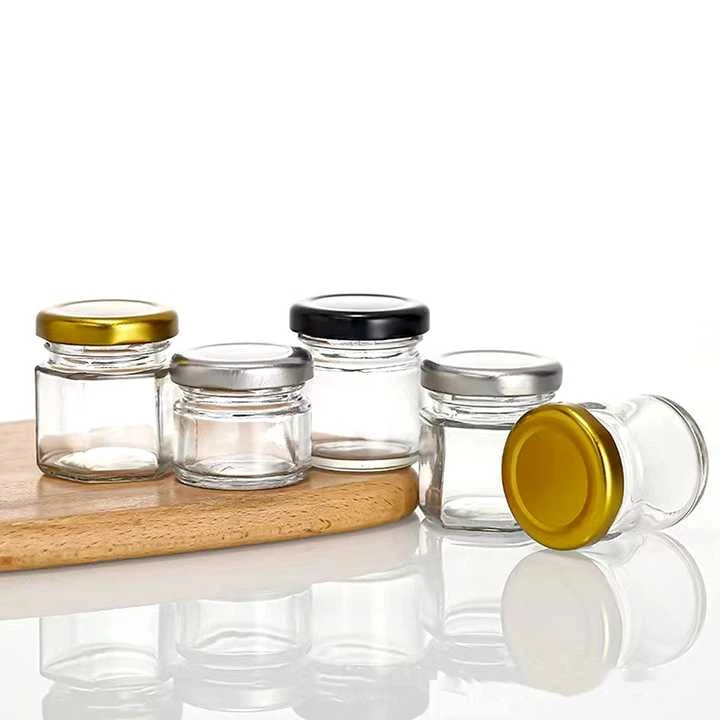
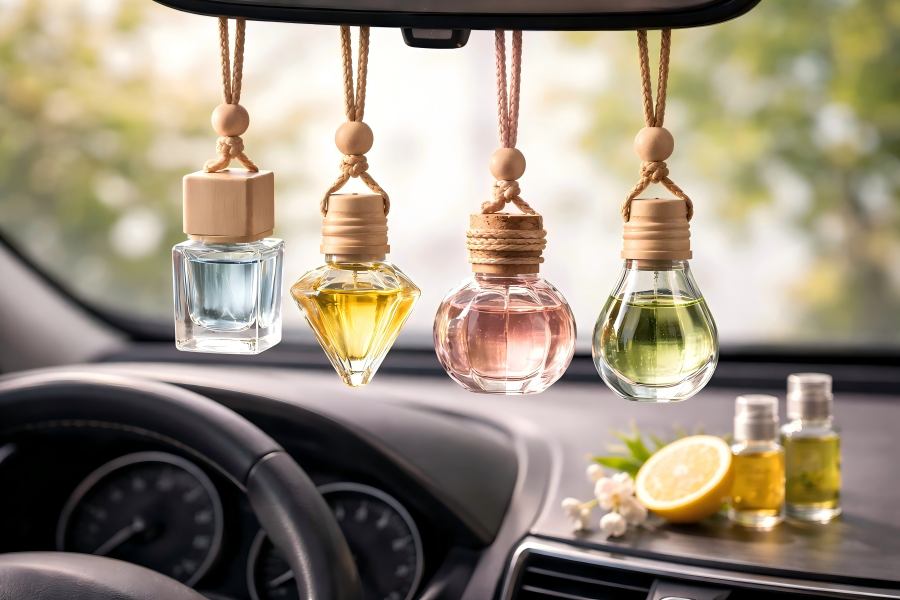
A glass car diffuser bottle is a small container made of glass designed to hold scented oils or fragrance blends used to scent the interior of a vehicle. These bottles are paired with diffuser mechanisms such as wooden sticks, ceramic wicks, fiber reeds, hanging caps, or pads that permit controlled release of fragrance over time.
Glass car diffuser bottles are engineered to balance containment, controlled scent diffusion, durability, and aesthetic appeal. They are a central piece of many car fragrance products — from simple hanging diffusers to premium dashboard-mounted units — enabling consistent, long-lasting scent diffusion that enhances the driving experience.
How Car Diffusers Are Used
Glass car diffuser bottles find use in a wide range of vehicle settings:
- Daily Personal Vehicles: Installed in cars for everyday scent enjoyment.
- Fleet Services: Used in taxis, ride-share vehicles, and company cars to maintain pleasant interiors.
- Retail Gift Markets: Packaged as retail products, gift sets, or subscription items.
- Brand and Promotional Items: Customized with logos or themes for marketing campaigns.
Each application has different priorities for longevity, presentation, and scent strength, which influence the choice of bottle size, diffuser insert, and closing system.
Why Choose Glass for Diffuser Bottles
Glass is a preferred material for many diffuser bottles because it delivers a range of advantages:
- Chemical Neutrality: Glass is inert and does not interact with scent oils, preserving the fragrance profile.
- Premium Aesthetic: Glass conveys quality, clarity, and visual depth.
- Transparency: Clear or tinted glass lets users monitor remaining fragrance levels.
- Reusability: Glass can be cleaned and reused, supporting refill and sustainability models.
- Temperature Stability: Glass holds up under varied vehicle temperature conditions with minimal dimensional change.
While plastic bottles may be lighter or less costly, glass bottles are chosen when product presentation, scent integrity, and user perception are major priorities.
Common Glass Car Diffuser Bottle Sizes
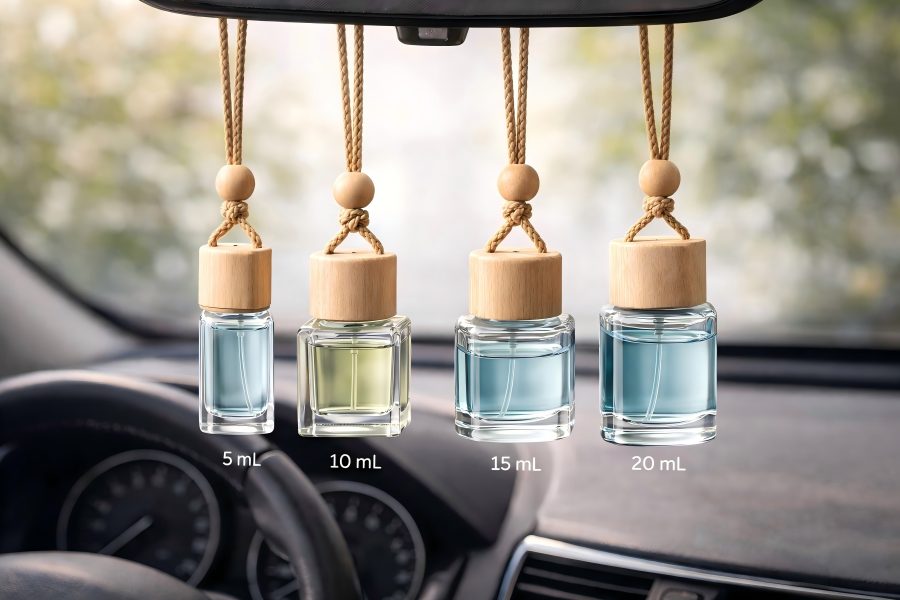
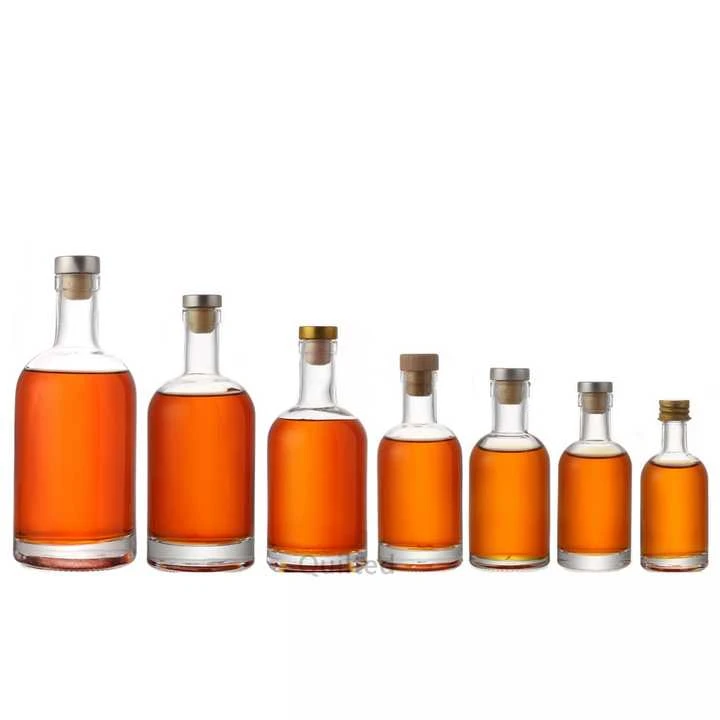
Glass car diffuser bottles are manufactured in various standard sizes to match different usage intervals, diffuser systems, and fragrance intensities. Typical volumes include:
- 5 mL: Smallest size, ideal for sampling or short-term scent offerings.
- 10 mL: Compact and portable, suitable for hanging diffuser systems with sticks or strings.
- 15 mL: Very popular size, balancing longevity and compact footprint.
- 20 mL: Larger volume for extended scent output and robust fragrance diffusion.
- 30 mL: Premium or refill bottle for enthusiasts and frequent users.
Table: Glass Diffuser Bottle Size Guide & Best Uses
| Bottle Size (mL) | Common Use Case | Preferred Diffuser Type | Approx Scent Longevity |
| 5 mL | Sample or tester | Hanging wick or string | Short |
| 10 mL | Compact vehicles | Wooden or fiber stick | Moderate |
| 15 mL | Standard car fragrance | Ceramic or fiber wick | Moderate Long |
| 20 mL | Strong scent delivery | Multi-stick or ceramic systems | Long |
| 30 mL | Premium/refill options | Multi-insert or rods | Longest |
Bottle Shapes and Aesthetic Styles
Glass car diffuser bottles can take various forms, and shape plays an important role in both aesthetics and function:
Cylinder Shapes
Cylindrical bottles are classic and versatile, fitting well with many diffuser inserts and closure systems. They are easy to hold, label, and decorate.
Square or Rectangular Bodies
Square bottles offer strong visual presence and large flat surfaces for labels or printed artwork. They are stable when set on flat surfaces such as dashboards.
Custom Sculpted Designs
Brands often create sculpted or uniquely contoured bottles to stand out visually. These shapes require specific tooling but support strong brand identity.
Rounded or Soft-Edge Designs
Soft curves create a premium feel and complement modern interior aesthetics. These designs are popular in luxury car fragrance lines.
Bottle shape influences how accessories fit, how the bottle sits in mounting systems, and how it is perceived by users.
Glass Quality and Material Types
Different glass compositions and processing methods influence durability, clarity, and performance:
Clear Glass
Clear glass allows full visibility of the fragrance oil and emphasizes color contrast between oil and diffuser accessories. It is ideal for products where visual presentation matters.
Tinted Glass
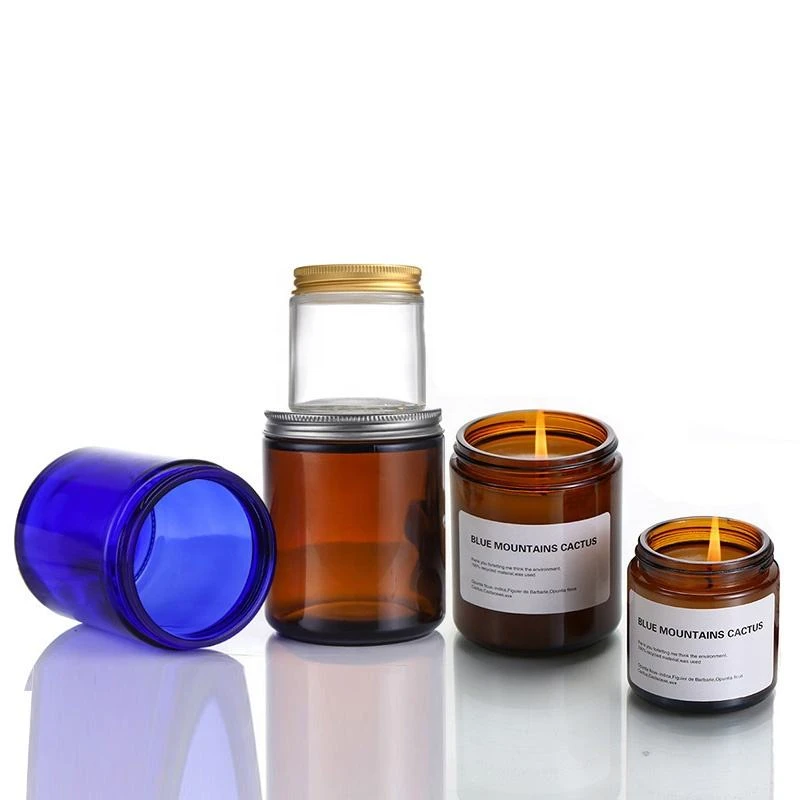
Tints such as amber, smoke, or colored options provide UV protection and add distinctive aesthetics. Tinted glass also helps protect light-sensitive blends.
Thick-Walled Glass
Thicker glass walls improve durability and give bottles a weighty, premium feel. They resist vibration better and enhance user perception of quality.
Precision Molded vs. Artisanal Glass
- Precision Molded Glass: Offers consistent dimensions for closure compatibility and manufacturing efficiency.
- Artisanal Glass: Mouth-blown or handcrafted glass can provide character and variation but requires careful closure selection.
Quality considerations also include lack of bubbles, uniform wall thickness, and smooth interior surfaces that do not trap oil residues.
Neck Finishes and Closure Options
The neck finish and closure type determine how well a bottle seals and functions with diffuser systems:
Threaded Necks
Threaded necks pair with screw caps, dropper caps, or reducer inserts. They provide strong, secure sealing and are common in refillable designs.
Smooth Necks
Smooth necks accept cork, silicone, or push-in stoppers. They are ideal for hanging systems or rustic designs.
Standard Size Codes
Standardized neck sizes ensure closures from different suppliers can be interchanged without leakage or misfit.
Common Closure Types
- Screw Caps: Basic sealing, easy application, and compatible with liners.
- Dropper Caps: Allow controlled oil addition and convenient refilling.
- Cork Stoppers: Natural look with compression sealing.
- Orifice Reducers: Reduce oil flow to diffuser elements for controlled release.
Choosing the right closure ensures leak-free performance and seamless integration with diffuser inserts.
Diffuser Inserts and Compatibility
A diffuser bottle’s performance depends heavily on the type of insert that draws oil out and disperses fragrance into the air:
Wooden or Fiber Sticks
Wooden or fiber sticks absorb fragrance oil and release scent gradually through capillary action. They are simple, economical, and effective for small to medium bottles.
Ceramic Wicks
Ceramic wicks offer consistent and drip-free diffusion. Their porous structure allows continuous scent release and is often preferred in mid to larger bottle sizes.
Hanging Cap Inserts
Hanging cap systems combine a closure with an integrated diffuser element and suspension cord. They are popular for rearview mirror use or hanging from dashboard hooks.
Multi-Stick Systems
Systems with multiple sticks provide stronger output suitable for larger cars or more robust scent profiles.
Compatibility between the insert type, neck finish, and bottle volume ensures optimal performance and scent duration.
Filling, Sealing & Leak Prevention
Glass car diffuser bottles must be filled and sealed carefully to maintain product quality and prevent leaks:
Accurate Filling Practices
Controlled filling (manual or automated) ensures consistent volume for every bottle, reduces waste, and maintains uniform scent strength.
Closure Application
Closures must be applied at appropriate torque or compression levels to prevent leakage during transit or use.
Leak Testing
Testing filled samples under vibration and temperature change helps ensure closures hold integrity under real-world conditions.
Clean Handling
Avoid oil residue on bottle rims, which can attract dust or interfere with sealing.
Correct filling and sealing preserve fragrance and minimize returns from leakage complaints.
Labeling, Decoration & Branding
Labeling and decoration differentiate products and reinforce brand identity:
Pressure-Sensitive Labels
These labels work well on flat or mildly curved glass surfaces and are simple to apply.
Screen Printing
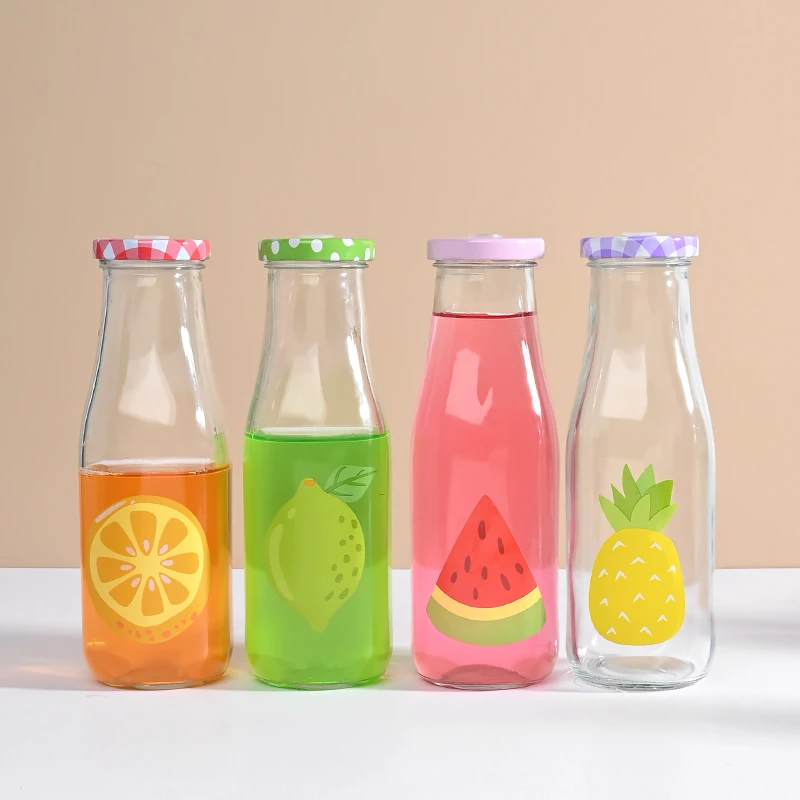
Directly printing on glass provides a premium look with durable, high-resolution graphics.
Heat-Shrink Sleeves
These sleeves cover the body and neck, allowing full artwork coverage and tamper-evident features.
Embossed or Etched Elements
Etched or embossed logos and details create tactile premium finishes that elevate brand perception.
Quality labeling enhances storytelling, conveys scent notes, and supports regulatory messaging.
Packaging and Shipping Best Practices
Glass bottles must be protected through packaging and transport:
Inner Protective Inserts
Use foam, molded pulp, or air inserts to cushion individual bottles and separate them from impact.
Outer Carton Reinforcement
Double-wall cartons with structural supports reduce breakage risk.
Sealing and Marker Labels
Mark cartons as fragile and reinforce closure security before final boxing.
Temperature Awareness
Extreme heat or cold can cause stress in glass — plan shipping routes and handling accordingly.
Strong packaging safeguards product quality and reduces logistical losses.
Accessories That Enhance Diffusers
Accessories increase performance and user appeal:
Reed Bundles
Choose correct length and porosity to match oil viscosity and desired scent intensity.
Hanging Cords and Straps
Decorative and functional elements allow suspension from mirrors and vents.
Rubber or Silicone Liners
These improve airtight seals when closures are applied.
Ceramic or Porcelain Toppers
Premium toppers add visual elegance and enhance diffusion consistency.
Accessories should be compatible with bottle dimensions and diffuser systems.
Sustainability and Reuse Initiatives
Glass diffuser bottles support multiple sustainability strategies:
Refill Programs
Offer refill packs or concentrate bottles to reduce single-use waste.
Recyclable Components
Glass, cork, and some closures can be separated and recycled.
Minimal Packaging
Use recycled or biodegradable packaging materials to reduce environmental footprint.
Take-Back Programs
Encourage customers to return used bottles for reuse or recycling.
Eco-friendly approaches resonate with conscious consumers and strengthen brand loyalty.
How to Choose the Right Glass Diffuser Bottle
Selecting the right glass car diffuser bottle involves balancing several key factors:
Brand Position
Thick glass, unique shapes, high-end closures, and ornamental finishes are among options available to luxury businesses. Everyday brands may favor simple forms and efficient production.
Diffuser System Compatibility
Match neck finish, insert type, and closure early to avoid design mismatches that lead to leaks or weak diffusion.
Fragrance Strength Preferences
Stronger scents may need larger volumes and multi-stick systems. Milder blends may pair better with smaller bottles and slower diffusion inserts.
Usage Duration Goals
If a long duration is desired, larger bottles with controlled release systems help extend life.
Production and Budget Constraints
Consider tooling costs, glass quality, closure components, labeling complexity, and filling workflows when setting budgets.
A clear selection strategy ensures product performance, user satisfaction, and cost efficiency.