Glass Bottle Closures Explained: Screw Caps, Corks, and Droppers
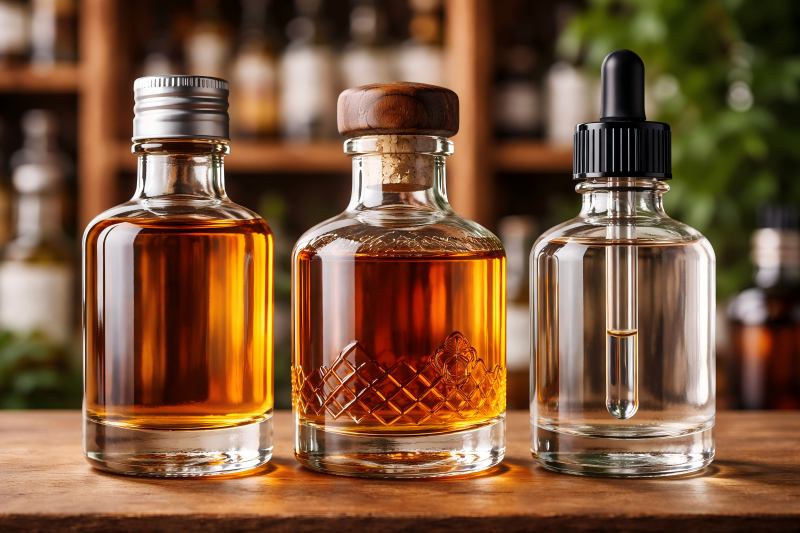
Glass bottles are widely used across many industries, but the closure system is just as critical as the bottle itself. This article compares screw caps, corks, and droppers, explaining their uses and helping brands make informed packaging decisions.
Why Glass Bottle Closures Matter
Closures are far more than simple caps or stoppers. They perform several essential functions:
- Sealing and protection – Prevent leakage, contamination, oxidation, or evaporation.
- Dosage control – Enable precise dispensing when required.
- User experience – Affects ease of opening, pouring, and resealing.
- Brand perception – Reinforce premium, traditional, or modern brand identities.
- Regulatory compliance – Ensure safety for food, cosmetic, or pharmaceutical use.
Selecting the wrong closure can compromise product quality, increase returns, or damage brand credibility.
Overview of Common Glass Bottle Closures
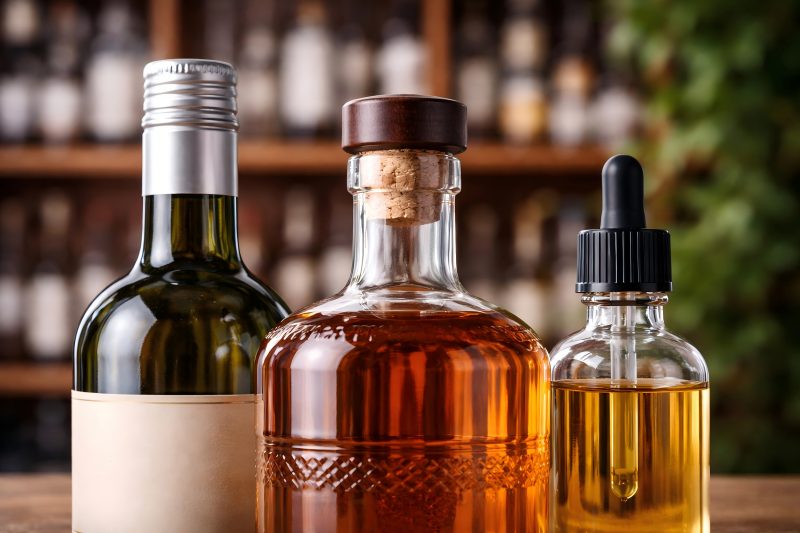
Before diving deeper, let’s briefly define the three closure types covered in this guide:
| Closure Type | Typical Use Cases |
| Screw Caps | Beverages, sauces, pharmaceuticals, chemicals |
| Corks | Wine, spirits, gourmet oils, specialty beverages |
| Droppers | Essential oils, serums, tinctures, and pharmaceuticals |
Each closure type aligns with specific product characteristics and consumer expectations.
Screw Caps: Versatile and Reliable
What Are Screw Caps?
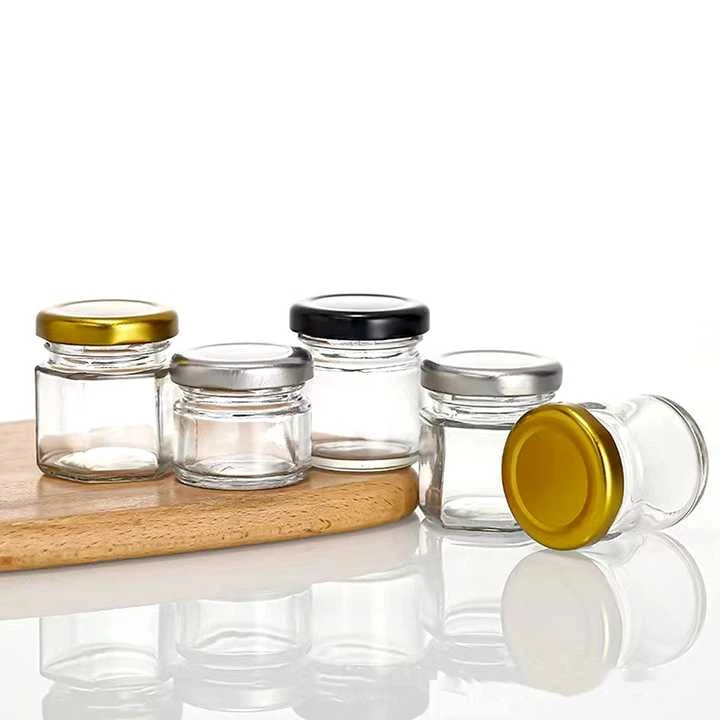
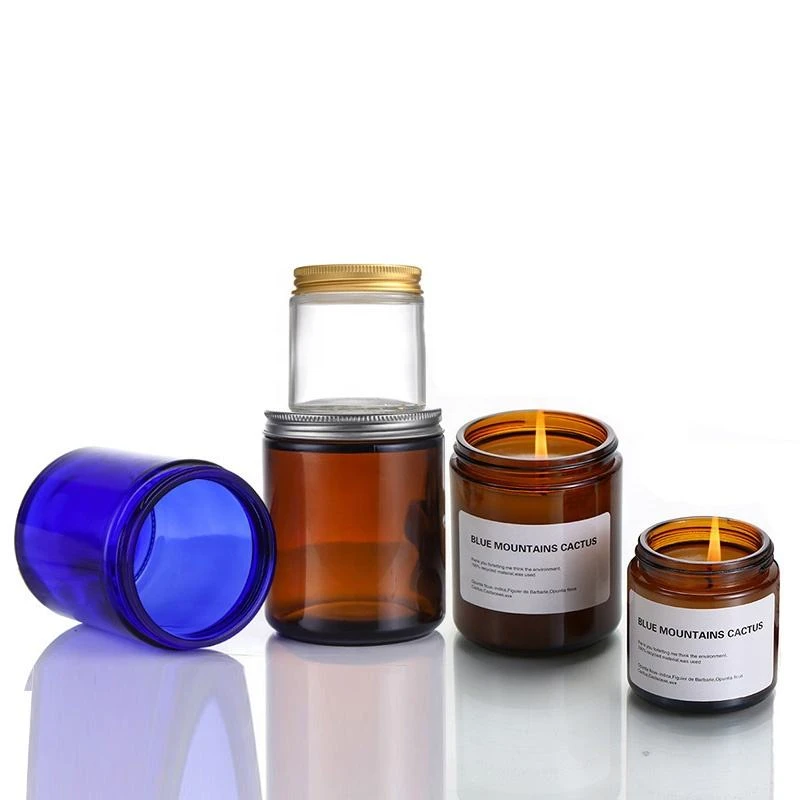
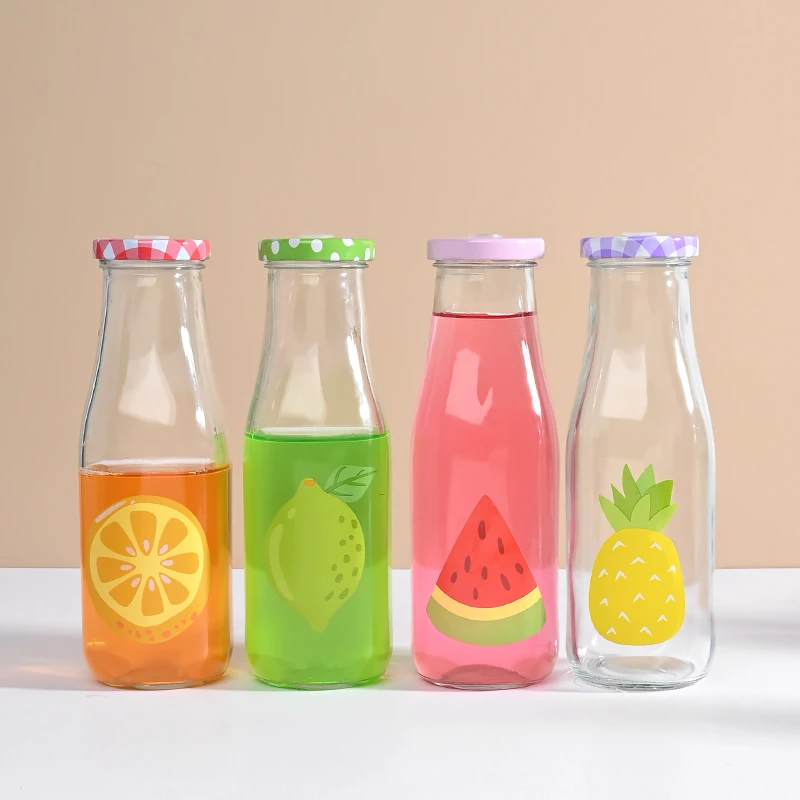
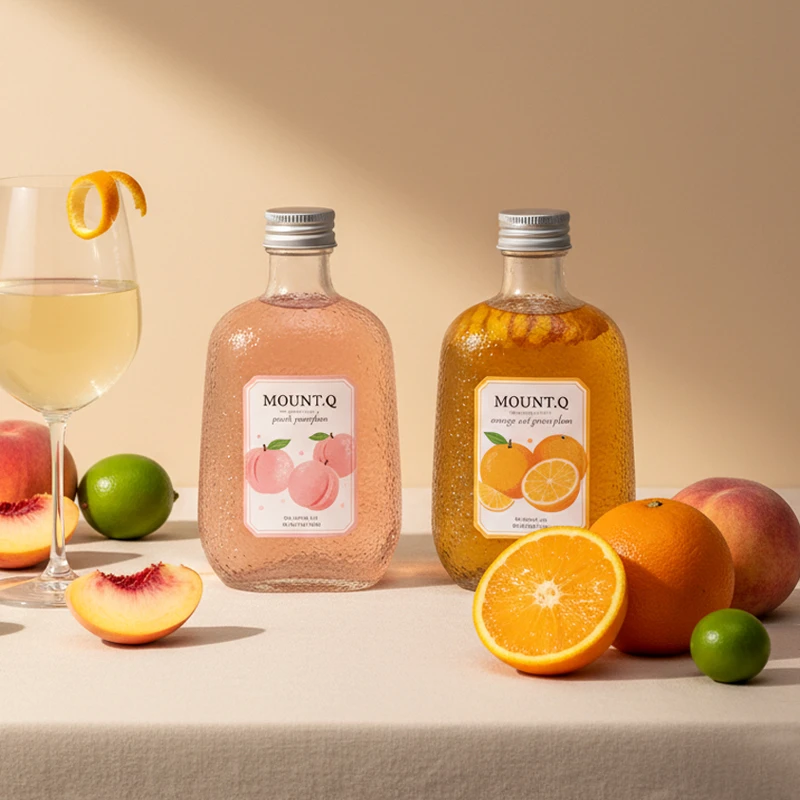
Screw caps are closures that fasten onto bottles by twisting over threaded necks. They are typically manufactured from aluminum or plastic, often incorporating liners or seals to enhance barrier performance.
Screw caps are one of the most commonly used closure options, valued for their dependable sealing, cost-effectiveness, and user-friendly operation.
Types of Screw Caps
| Screw Cap Type | Description |
| Aluminum Screw Caps | Lightweight, corrosion-resistant, premium appearance |
| Plastic Screw Caps | Cost-effective, flexible designs, widely used |
| Tamper-Evident Caps | Include breakable bands or seals for safety |
| Child-Resistant Caps | Designed for pharmaceuticals and chemicals |
| ROPP Caps | Roll-on pilfer-proof caps are commonly used for wine |
Advantages of Screw Caps
- Excellent sealing performance
- Easy to open and reseal
- Compatible with automated filling lines
- Wide range of liner options
- Cost-efficient at scale
Screw caps provide strong protection against leaks and oxygen ingress, making them ideal for products requiring consistent shelf stability.
Limitations of Screw Caps
- Less tactile or “romantic” than corks
- Plastic variants may reduce perceived premium value
- Limited emotional appeal in luxury segments
Best Applications for Screw Caps
- Carbonated and non-carbonated beverages
- Pharmaceuticals and nutraceuticals
- Chemical liquids and reagents
- Food products like sauces and syrups
Corks: Traditional and Premium
What Are Cork Closures?
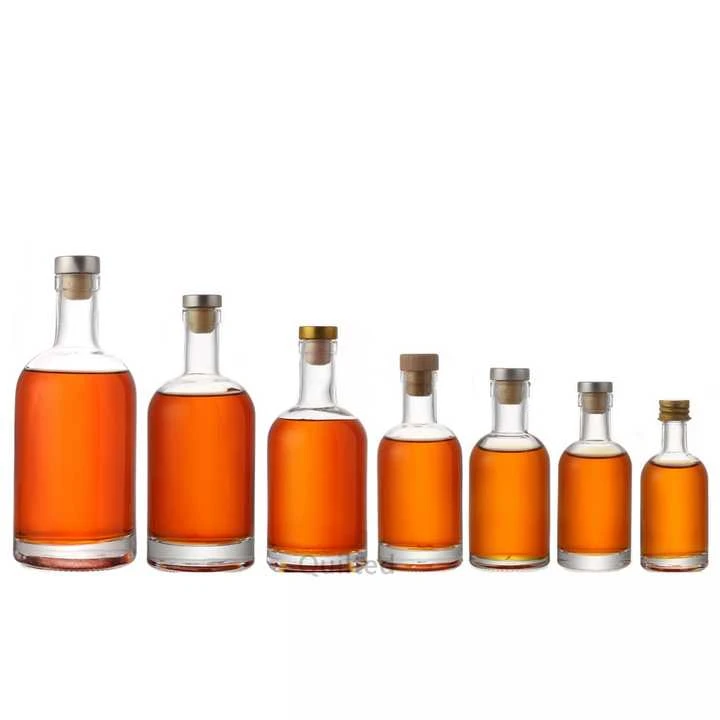
Corks are stoppers inserted into the neck of a glass bottle, traditionally made from natural cork bark or synthetic materials. They are most famously associated with wine but are also used for spirits and gourmet products.
Types of Corks
| Cork Type | Key Characteristics |
| Natural Cork | Made from cork bark, traditional and breathable |
| Agglomerated Cork | Compressed cork granules are cost-effective |
| Synthetic Cork | Plastic-based, consistent performance |
| Bar-Top Cork | Cork with a wooden or plastic head, reusable |
Advantages of Cork Closures
- Strong association with premium and heritage brands
- Distinctive opening ritual
- Good elasticity and sealing when properly matched
- Reusable in bar-top formats
Corks enhance the emotional connection between the consumer and the product, especially in wine and spirits.
Limitations of Cork Closures
Risk of cork taint (with natural cork)
Less consistent sealing than screw caps
Not ideal for high-speed automated lines
Limited suitability for volatile or reactive liquids
Best Applications for Cork Closures
- Wine and champagne
- Premium spirits
- Gourmet oils and vinegars
- Decorative or collectible bottles
Droppers: Precision and Control
What Are Dropper Closures?
Dropper closures combine a cap, a rubber bulb, and a glass or plastic pipette. They allow controlled dispensing of liquids in small quantities, making them essential for precision-based products.
Types of Droppers
| Dropper Type | Description |
| Glass Pipette Dropper | High chemical resistance and clarity |
| Plastic Pipette Dropper | Lightweight and impact-resistant |
| Graduated Dropper | Marked for dosage measurement |
| Child-Resistant Dropper | Enhanced safety for pharmaceuticals |
Advantages of Dropper Closures
- Highly precise dispensing
- Minimal product waste
- Professional and functional appearance
- Suitable for high-value formulations
Droppers are especially valuable when accurate dosing is critical.
Limitations of Dropper Closures
- Higher unit cost
- Slower dispensing for large volumes
- More complex assembly
- Requires compatibility testing with formulations
Best Applications for Droppers
- Essential oils
- Cosmetic serums
- Pharmaceutical tinctures
- Laboratory reagents
Comparative Performance Analysis
Functional Comparison
| Feature | Screw Caps | Corks | Droppers |
| Sealing Strength | Excellent | Moderate | Excellent |
| Ease of Use | Very high | Moderate | Moderate |
| Resealability | Excellent | Varies | Excellent |
| Dispensing Control | Low | Low | Very high |
| Automation Compatibility | High | Low | Medium |
Branding and Perception
| Criteria | Screw Caps | Corks | Droppers |
| Brand Image | Modern, practical | Premium, traditional | Professional, clinical |
| Luxury Perception | Medium | High | Medium to high |
| Consumer Familiarity | Very high | High | Medium |
| Customization Options | High | Medium | Medium |
Material and Compatibility Considerations
Choosing a closure is not only about design; it must also be chemically compatible with the product.
| Product Type | Recommended Closure |
| Alcoholic Beverages | Screw caps, corks |
| Essential Oils | Droppers with compatible bulbs |
| Acidic Liquids | Coated screw caps |
| Volatile Chemicals | Sealed screw caps |
| Light-Sensitive Products | Droppers with tinted glass bottles |
Improper material selection can lead to swelling, leakage, or contamination.
Shelf Life and Preservation
- Closures significantly influence product stability over time.
- Screw caps offer the most consistent oxygen and moisture barriers.
- Corks allow micro-oxygenation, beneficial for some wines but risky for others.
- Droppers minimize exposure when used correctly but depend heavily on user handling.
Shelf-Life Performance
| Closure Type | Oxygen Barrier | Evaporation Control |
| Screw Cap | Excellent | Excellent |
| Cork | Moderate | Moderate |
| Dropper | Good | Good |
Regulatory and Safety Factors
Certain industries require specific closure features:
- Tamper-evident seals for food and beverages
- Child-resistant closures for pharmaceuticals and chemicals
- Material certifications for cosmetic and food contact
Screw caps and droppers are more adaptable to regulatory requirements than traditional corks.
Cost Comparison
| Cost Factor | Screw Caps | Corks | Droppers |
| Unit Cost | Low to medium | Medium | High |
| Tooling Cost | Low | Medium | Medium |
| Filling Line Cost | Low | High | Medium |
| Long-Term Cost Efficiency | High | Medium | Medium |
While droppers have higher unit costs, they are often justified for high-value formulations.
How to Choose the Right Closure
Key Questions to Ask
- Does the product require precise dosing?
- Is shelf life or oxygen control critical?
- What brand image do you want to convey?
- Will the product be mass-produced or artisanal?
- Are there regulatory requirements?
Decision Matrix
| Product Goal | Best Closure |
| Mass-market efficiency | Screw cap |
| Premium storytelling | Cork |
| Precision dispensing | Dropper |
| Regulatory compliance | Screw cap / Dropper |
| Luxury cosmetics | Dropper |
Glass bottle closures are a fundamental part of product performance and brand strategy.
- Screw caps provide exceptional dependability, operational efficiency, and scalable performance across production environments.
- Corks deliver emotional appeal and premium positioning.
- Droppers provide precision and professionalism for specialized products.
The best closure choice depends on a balance of functionality, branding, cost, and consumer expectations. By understanding the strengths and limitations of screw caps, corks, and droppers, brands can create packaging that protects the product, enhances user experience, and reinforces brand identity.
If you’d like, I can also help you:
- Match closures to specific industries (spirits, cosmetics, pharma)
- Create a closure selection flowchart
- Prepare a supplier comparison checklist
- Just tell me how you’d like to proceed.