Glass Candle Jars Wholesale: The Sourcing Guide for Candle Makers
Picking the right glass candle jars can make or break your candle business. The container you go with shapes how your product looks on the shelf, how your candles burn, and even how people see your brand.
Finding a reliable wholesale supplier for quality jars at good prices? That takes some real research and planning.
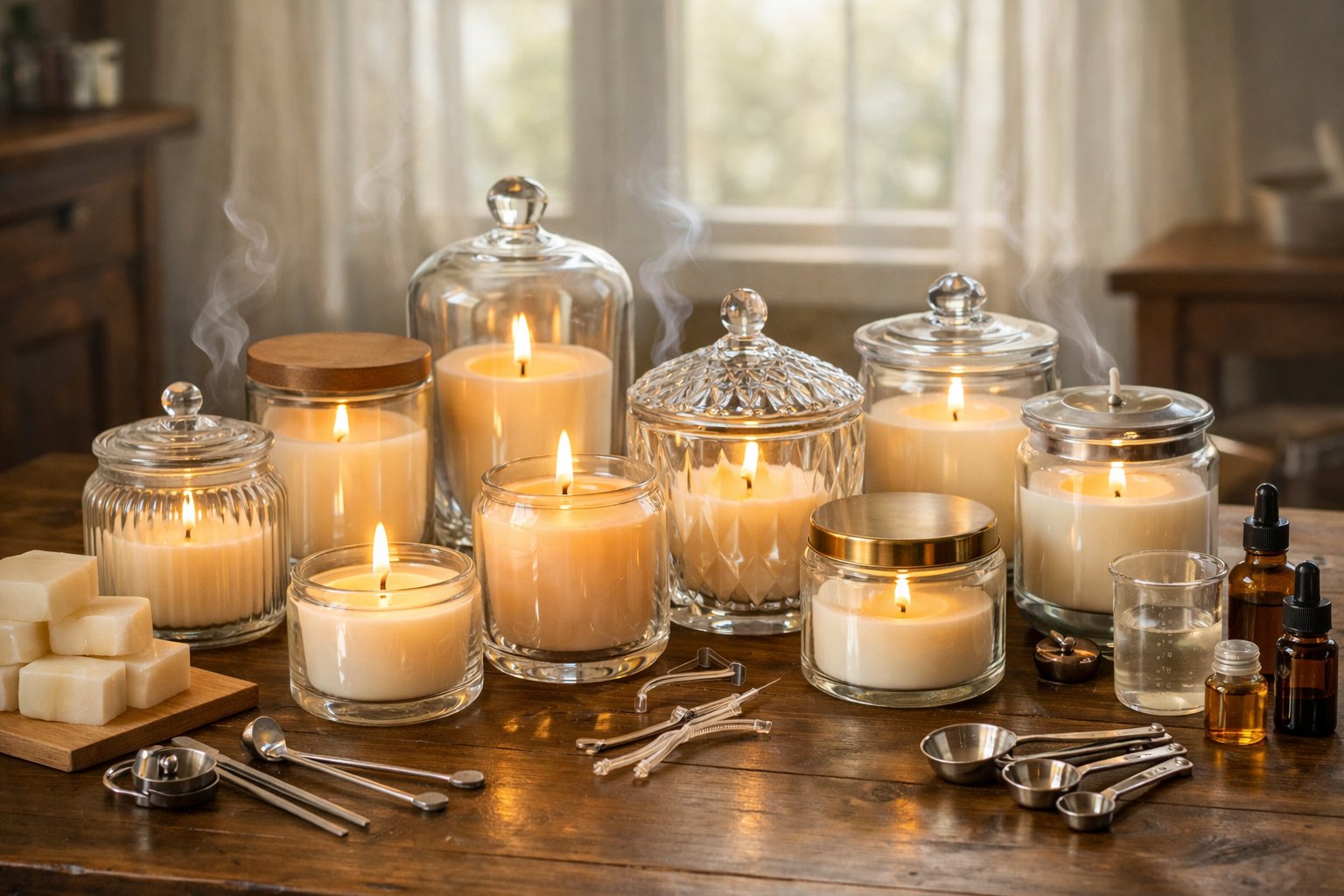
If you want to source wholesale jars successfully, you’ve got to know what to look for in both the jars and the suppliers. There are different jar styles, minimum order quantities, customization options, and you’ll need to check a supplier’s ability to meet your standards.
Plenty of candle makers get tripped up here—they’re not sure what to ask or what warning signs to watch for.
This guide will walk you through the whole process of sourcing glass candle jars wholesale. I’ll cover how to size up jar types, compare suppliers, request samples, and negotiate terms that fit your budget and production needs.
Key Takeaways
- Glass candle jars come in lots of styles and sizes, which impact your brand and costs.
- You need to check samples, reviews, certifications, and production capabilities before making big orders.
- Bulk buying gets you better prices, but you have to manage minimum orders and inventory smartly.
Understanding Glass Candle Jars Wholesale
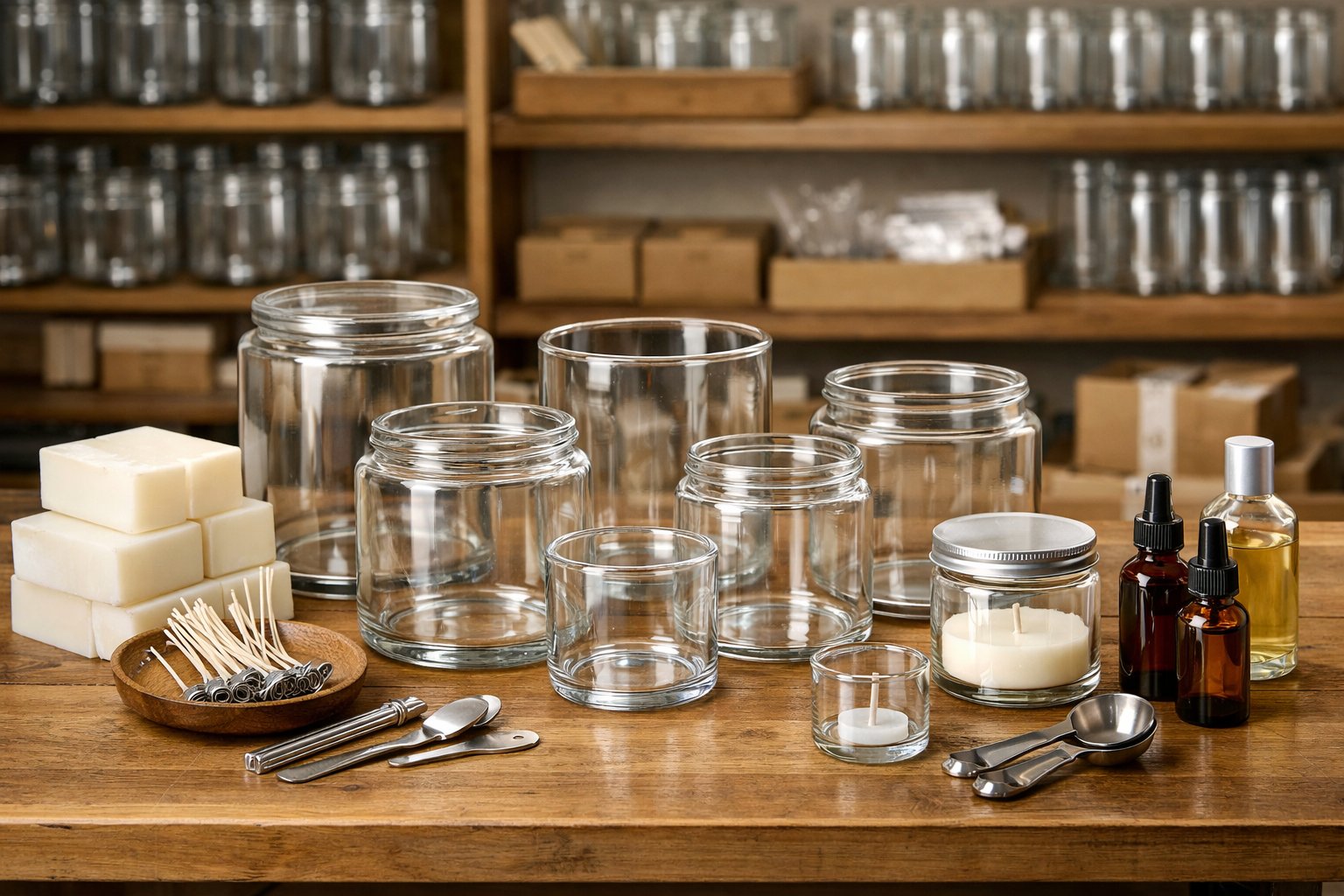
Wholesale glass candle jars work differently than retail options. You’ll have to deal with minimum order quantities, bulk pricing, and supplier expectations—these all affect your candle business in a big way.
What Qualifies as a Candle Jar for Wholesale
Wholesale glass candle jars need to meet certain quality and safety standards if you want to use them for commercial candles. These jars have to be made of heat-resistant glass, usually able to handle up to 200°F without cracking.
The glass should be food-grade and free from obvious flaws like bubbles or thin spots. Most wholesale suppliers set minimum order quantities (MOQs) between 500 and 3,000 pieces.
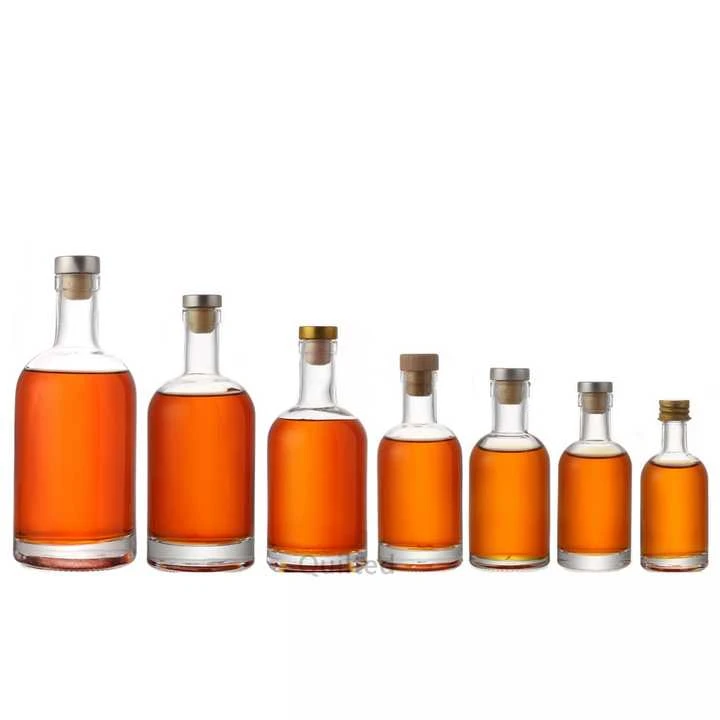
Standard wholesale jars come in sizes like 4oz, 8oz, 10oz, and 16oz. You’ll see all sorts of shapes—straight-sided jars, curved vessels, and luxury containers with different finishes.
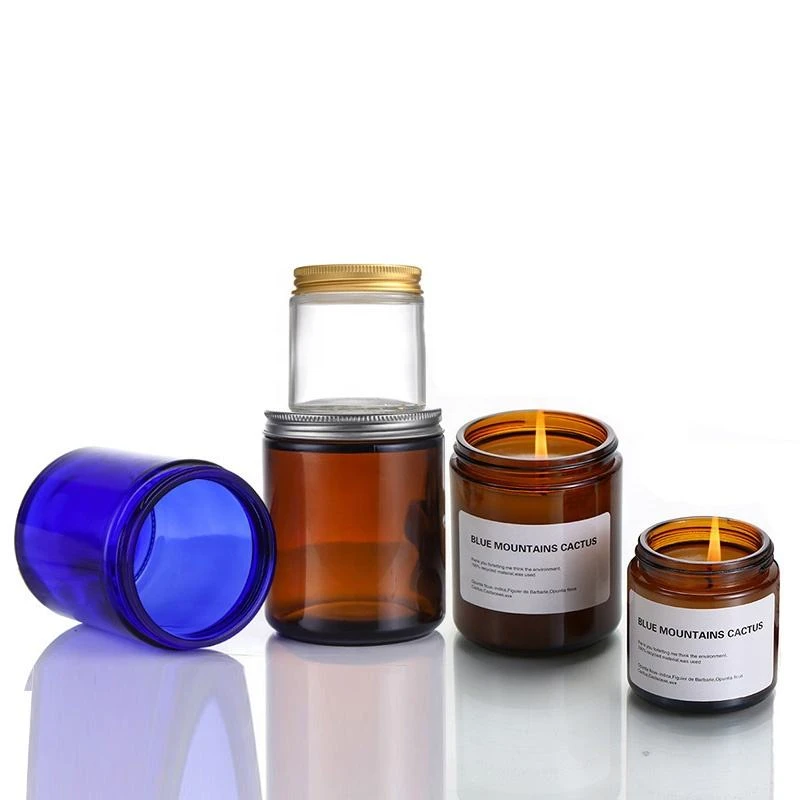
Suppliers sell bulk candle jars in a wide range of styles. Clear glass is the most common, but you’ll also find frosted, amber, colored, and custom-finished jars for branding.
Each jar needs proper dimensions for safe wick placement and even wax melting. That’s not something you want to fudge.
Benefits of Purchasing in Bulk
Buying jars in bulk can drop your per-unit costs by 30% to 60%. For example, a jar that’s $3 at retail might go for $1.20 if you order 1,000 of them. Bigger orders usually mean even better prices.
With wholesale, you keep a steady inventory for production. No more running out of jars and missing orders. Sticking with one supplier also keeps your container quality consistent.
Wholesale lets you access customization options. Suppliers can frost, emboss, or engrave your logo, and offer custom colors or unique shapes. At wholesale volumes, these branding touches finally become affordable.
Comparing Wholesale vs. Retail Sourcing
Price differences are huge. Retail works for tiny batches, but costs skyrocket as you scale. Wholesale needs a bigger upfront spend, but you save a lot over time.
Order requirements aren’t even close:
- Retail: Buy singles or small packs, no MOQs.
- Wholesale: You’ll need to hit MOQs of 500-3,000+ per order.
- Lead times: Retail ships fast; wholesale can take 2-8 weeks.
- Customization: Pretty limited in retail; wholesale has way more options.
Quality control is just easier with wholesale. You can ask for samples before you commit. Working directly with manufacturers means you can audit factories and check standards. Retail? You’re mostly in the dark.
Types and Styles of Glass Candle Jars
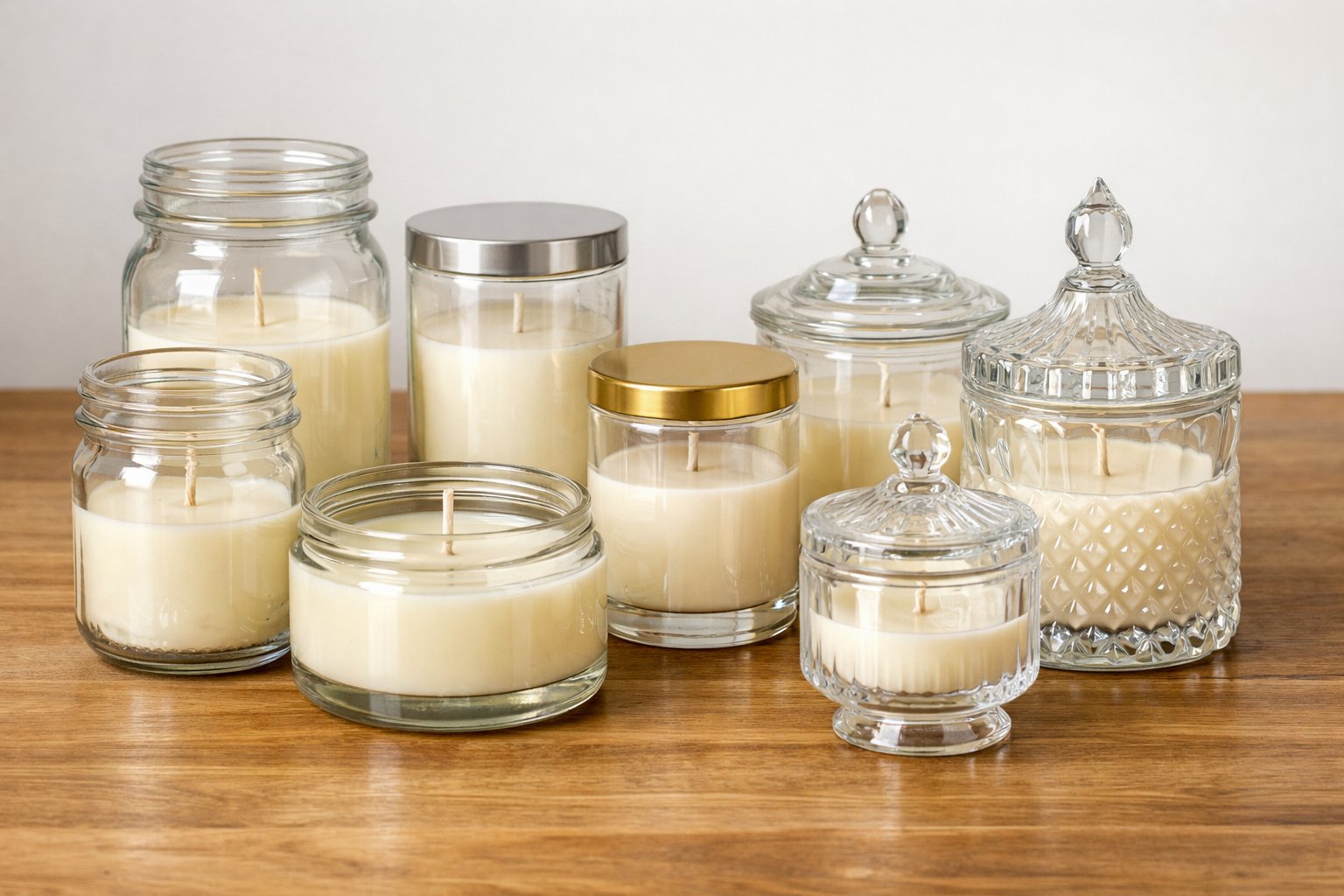
Glass candle containers come in all shapes, sizes, and finishes. Your pick affects production costs, brand feel, and how your candles burn.
Shapes and Common Designs
Round jars are the go-to for most candle makers. They work with standard equipment and give you reliable burning. These classic containers are usually 3.5 to 5 inches tall and 2.8 to 4 inches wide.
Apothecary jars have a premium vibe thanks to their wide mouths and thick glass. You’ll usually see 4-5 mm thick walls and lid options like glass domes or metal caps.
These work especially well for artisan and luxury lines. Square and rectangular jars give a modern look with clean edges and more label space. They’re usually made with 4-5 mm thick glass too.
Hexagonal jars have a geometric style that stands out. Most use a standard 58 mm lid and come in sizes from 4 oz up to 18 oz, good for multi-wick candles.
Status jars and bell-shaped vessels offer unique silhouettes. If you want your candles to pop on the shelf, these specialty shapes can help.
Sizes and Volumes for Different Candle Types
Small jars (4-8 oz) work well for travel candles, samplers, or gift sets. These are perfect for single-wick designs and let customers try out different scents.
Medium jars (9-14 oz) are probably the most popular. They strike a balance between burn time and price, and they fit into most homes. A 9 oz jar is a classic retail pick.
Large jars (16-28 oz) make a statement or serve as luxury options. An 18 oz jar can hold three wicks for an even burn across the whole surface. These jars justify a higher price and longer burn time.
Your wick count and wax type matter too. Single-wick candles work in jars up to 3 inches wide, but if you go wider, you’ll need more wicks.
Glass Jar Finishes and Coloring Options
Clear glass is the most flexible and affordable. It shows off colored wax and lets customers see how much candle is left. You’ll pay about $0.60-$1.30 per unit wholesale for clear jars.
Frosted glass gives a soft, upscale look—great for spa or wellness brands. The matte finish comes from treating the glass, usually with 3.5-4.5 mm thick walls. Wholesale prices run $0.95-$2.02 each.
Colored glass makes your brand pop and sets the mood. Popular colors are:
- Amber and cobalt for a classic, apothecary feel
- Black and navy for a luxury vibe
- Blush and pastels for a modern touch
- Iridescent finishes for premium lines
Colored jars usually cost $1.20-$2.50 per unit, but fancy finishes can hit $6.00.
Textured or patterned glass has embossed designs for extra dimension. These jars use thicker glass (4-6 mm) to handle the detail and cost around $1.50-$2.80 wholesale. The raised patterns add interest and show off craftsmanship.
Key Considerations for Candle Makers
The right glass candle jar should balance safety, function, and style. Heat resistance keeps your product safe, lids protect the scent, and custom touches help your candles stand out.
Glass Quality and Heat Resistance
Heat-resistant glass keeps jars from cracking or shattering while burning. Always use jars made for candles—not old food jars or decorative vases.
Borosilicate glass is the gold standard for thermal shock resistance. It barely expands with heat, so it doesn’t stress out and break. It’s what labs use for beakers, so you know it’s tough.
Annealed soda-lime glass is what most candle jars are made from. The annealing process cools glass slowly, making it stronger. When tested properly, it’s safe for candles.
Don’t use tempered glass for candles. Even though it’s strong, if it fails, it shatters into tiny shards—a real safety issue.
Before you accept a wholesale order, always check samples for quality. Look for:
- Thick, even walls all around
- A heavy base (at least 3-5mm thick)
- No bubbles, chips, or cracks
- Smooth insides
Burn test every jar style you plan to use. Light test candles and let them burn for several 3-4 hour sessions until they’re done. Feel the outside, especially near the base, to check for overheating.
Closure Options: Lids and Their Compatibility
Lids keep scents fresh and wax clean between uses. Your lid choice can shift how people see your candles.
Wood lids have a natural, handmade look. They’re nice for rustic or eco-friendly brands, but make sure they’re sealed and fit your jar opening exactly.
Metal lids come in screw-top or dust cover styles. Screw-tops seal tightly and lock in fragrance. Dust covers just sit on top—they’re cheaper, but don’t protect scent as well.
Glass lids look extra fancy. They’re best for luxury lines where you can justify the extra cost.
Always double-check lid fit before placing a big order. Even a 0.5mm size difference can mean lids that won’t stay on or fall off in transit. Get samples and test them with your wax, since some waxes expand more as they cool.
Branding and Customization Opportunities
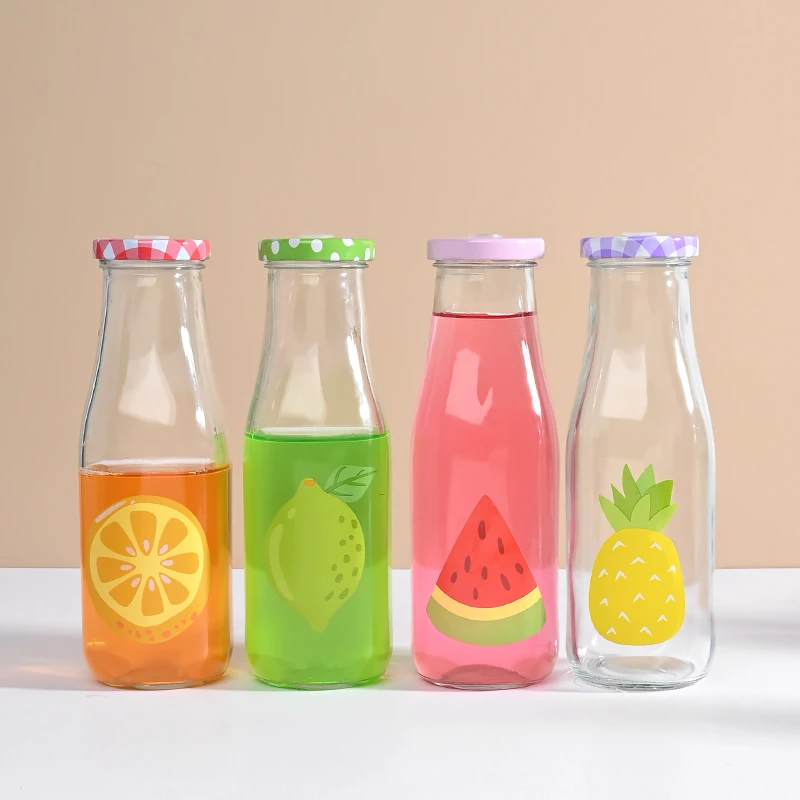
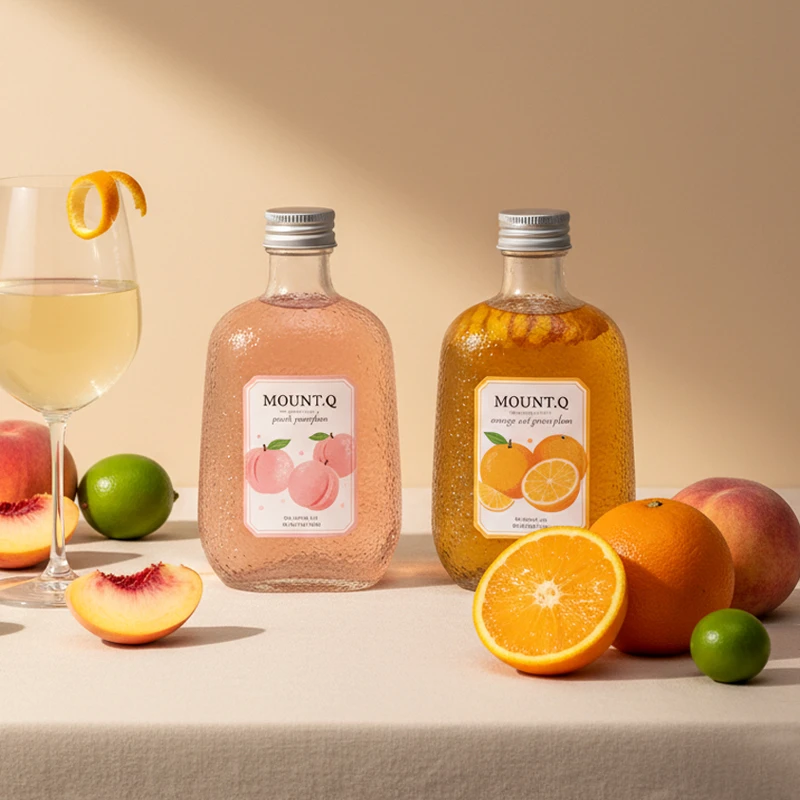
Custom candle jars help your products stand out in a crowded market. Direct printing, embossing, or unique shapes make your candles easy to spot.
Frosted or colored glass brings visual interest without big custom tooling costs. Amber, cobalt, and matte white are popular choices—each sends a different message about your brand.
Custom embossing or debossing adds texture right on the glass. Your logo turns into something customers can actually feel, which makes your candles seem more valuable. Most suppliers require at least 5,000-10,000 units for this option.
Screen printing or decal application works well for smaller batches. You can add your logo, patterns, or text to stock jars and still keep order minimums down to 1,000-3,000 units.
Proprietary molds let you design every detail. But custom shapes cost a lot up front—usually $3,000-$15,000 just for the mold—and you’ll need to order at least 10,000 units. This only makes sense if you’re sure your vessel will sell and you’re ready to commit.
Test your labels or printing to see how they handle heat and normal use. Make sure decorative extras don’t mess with safe burning or weaken the jar.
How to Select the Right Wholesale Supplier
Choosing a supplier affects your product quality, costs, and how your business grows. Always test products, check supplier backgrounds, and read the fine print before signing anything.
Requesting Samples and Product Testing
Ask for samples before you place a big order for bulk candle jars. Test wall thickness, heat resistance, and finish quality. Pour your usual wax into sample jars and let them cure all the way.
Keep an eye on these points during testing:
- Glass thickness: Measure the walls on every jar to make sure they’re consistent
- Heat tolerance: Fill jars with hot wax and watch for cracks
- Lid fit: Check if lids seal well and stay put during shipping
- Surface quality: Look for bubbles, scratches, or rough spots
Drop a couple of sample jars from waist height onto a hard floor. You’ll see right away if the glass can survive shipping. If the samples don’t pass, just move on to another supplier.
Evaluating Supplier Reputation and Reviews
See how long the supplier has sold candle making supplies. Companies with five or more years under their belt usually manage quality better. Read what other candle makers say about them, especially if they buy similar amounts.
Pay attention to:
- Product quality staying the same over several orders
- On-time deliveries and good packaging
- How the supplier fixes damaged or bad items
- How fast they answer your questions
Ask for references from current customers in your industry. Actually call a couple of those references and ask about their experience. Watch for red flags like missed deadlines, constant product changes, or poor communication.
Negotiating Minimum Order Quantities and Pricing
Most wholesale suppliers set minimum order quantities (MOQs) between 1,000 and 5,000 candle jars. Your MOQ affects your cost per jar and how much storage you’ll need. Figure out your monthly jar usage before you negotiate.
| Order Size | Typical Price Range | Best For |
|---|---|---|
| 1,000-2,500 units | $0.80-$1.50 per jar | New or small-scale makers |
| 2,500-5,000 units | $0.60-$1.00 per jar | Growing businesses |
| 5,000+ units | $0.40-$0.80 per jar | Established brands |
Ask about price breaks for bigger orders. Some suppliers knock off 10-15% if you double your order. See if you can get payment terms that work with your cash flow—net 30 or net 60 is common for repeat customers.
Ordering and Sourcing Process
Once you’ve found a few good suppliers for your candle jars wholesale, it’s time to set up the actual ordering process. Clear agreements, realistic timelines, and solid quality checks help you get what you paid for and avoid headaches.
Contractual and Specification Details
Your contract with the glass candle jars supplier should spell out all the product details. Write down the exact dimensions, weight, materials, color, and any custom elements. This keeps everyone on the same page.
Include quality standards and acceptable defect rates. Make sure to explain how you’ll handle damaged or off-spec products, plus how returns or replacements work.
Be specific about pricing and payment terms. List the unit price, payment schedule, currency, and any taxes or duties. Mention minimum order quantities for each jar type.
Add details about lead times, shipping methods, and delivery dates. If your supplier misses a deadline, the contract should say what happens next. For custom designs, clarify who owns the molds and any intellectual property.
Order Lead Times and Logistics
Most glass candle jars take 2-6 weeks to produce if you’re buying standard designs. Custom orders usually need 6-12 weeks, depending on how complex things get. Don’t forget to add shipping time.
International shipping can add 2-4 weeks if you go by sea, or 5-10 days by air. Factor these numbers in when you plan your inventory. Always order early during busy seasons—manufacturers get slammed and delays happen.
Work with your supplier on a delivery schedule that matches your production. Some suppliers can warehouse your jars and ship them in batches, which helps with cash flow and storage headaches.
Quality Control and Factory Audits
Always request samples before you order in bulk. Test them for heat resistance, wick and lid fit, and overall finish. Photos won’t catch everything—hold the jars in your hands and see for yourself.
If you’re dealing directly with the manufacturer, consider a factory audit. These checks confirm production abilities, quality systems, and ethical standards. If you can’t visit, third-party services can do it for you.
Check the supplier’s reputation with client testimonials and B2B reviews. Look for ISO certifications or other quality badges. Good suppliers keep quality high from raw materials to final packaging.
Maximizing Value When Buying Glass Candle Jars in Bulk
Smart inventory management and careful shipping protect your investment in bulk candle containers. These two things directly affect your storage costs, product safety, and your profits.
Inventory Management Best Practices
Track your glass candle containers with a simple spreadsheet or inventory app. Record jar sizes, quantities, and reorder points so you don’t run out of your best sellers. Store jars in a clean, dry spot away from busy areas to cut down on breakage.
Stack boxes with heavier ones on the bottom and leave some space between stacks for airflow and easy access. Label every box with the style, size, and quantity so you can grab what you need fast.
Figure out how many jars you use each month for every product. Order enough for 2-3 months at a time to get bulk pricing without tying up too much money. Keep about 20% extra of your top sellers to cover surprise orders.
Watch which glass candle containers move fastest. This info helps you buy smarter and negotiate better prices based on real sales, not guesses.
Packaging and Shipping Considerations
Ask your supplier for proper packaging before they ship. Candle jars need cardboard dividers and bubble wrap or foam. Double-check if packaging costs are included in your quote or if they’re extra.
Find out what happens if jars break in transit. Good wholesalers usually replace damaged goods if you report issues within 48 hours. Snap photos of damaged boxes before opening them—suppliers often ask for proof.
Freight costs can swing your total price a lot. Sometimes a cheaper jar price isn’t worth it if shipping eats up the savings. Try to group orders so you fill a container and lower per-unit shipping costs.
If you can, buy from suppliers closer to you to save on freight and get faster delivery. For big orders, ask about shipping insurance—it’s worth it for peace of mind.
Frequently Asked Questions
Picking the right wholesale glass candle jars comes down to understanding quality, order minimums, customization, and those ever-changing market conditions that can mess with your plans.
What factors should I consider when selecting glass candle jars for my candle-making business?
Your jar’s diameter decides which wick size you’ll need. Jars between 2.5 and 3.5 inches are good for single-wick candles, while anything wider needs multiple wicks for an even burn.
Base thickness matters for safety and heat spread. A thicker base keeps the jar steady and protects the surface underneath as the candle burns down.
Wall thickness helps jars handle heat changes. Thicker walls usually do better against thermal shock, but honestly, the manufacturer’s annealing process matters even more.
Your brand’s style should influence your jar choice. Straight-sided tumblers look clean and modern, amber or cobalt glass feels classic, and heavy-base custom designs scream luxury.
Always pick jars made for candles. Regular drinking glasses or food jars just aren’t made to survive repeated heating and cooling—they’re a safety risk.
How can I determine the quality of wholesale glass candle jars before purchasing?
Get samples before you order big. Test a few jars for defects and do burn tests with your own wax and wicks.
Look for hairline cracks, chips, or bubbles. Even tiny flaws can turn into big problems when the candle gets hot.
Make sure jars are sold as candle containers, not just general glassware. The supplier should confirm the glass is annealed to handle heat.
Ask about their manufacturing and quality checks. Trustworthy suppliers have documentation about their tests and safety standards.
Do full burn tests with your actual candle recipe. Burn for 3-4 hours at a time, let them cool, and repeat until the candle’s done. Watch for overheating, cracks, or anything weird.
What are the typical minimum order quantities when buying glass candle jars wholesale?
Minimums are all over the place depending on your supplier. Local candle supply shops might let you buy just 2-12 pieces, which is great for testing or hobbyists.
Wholesale distributors usually want you to buy by the case or pallet. Expect to order 50-200 jars per style for wholesale pricing.
Direct manufacturers set the bar higher—often 1,000 units or more. That only makes sense if you’ve got steady sales and know what you need.
Custom or proprietary jars need even bigger minimums—sometimes 5,000-10,000 units. The cost of custom molds means they can’t do small runs.
The more you order, the less you pay per jar. But bigger orders mean more upfront cash and storage space, so balance carefully.
Can I get customized designs for glass candle jars when ordering in bulk?
If you go straight to glass manufacturers, you can get custom designs. They let you create shapes, sizes, and details your competitors just can’t copy.
You might want a proprietary mold for a jar shape that’s all your own. Or maybe you’d rather play with colors, finishes, or surface touches like frosting or embossing.
But keep in mind, custom orders come with hefty minimums. Most manufacturers ask for at least 5,000 to 10,000 units if you’re making a fully custom mold.
Custom jars take longer than standard ones. You’ll need to wait several weeks for design approval and mold making before they even start production.
If you don’t have the budget or time for full custom, there are semi-custom routes. Some manufacturers let you tweak things like surface decorations, labels, or lids on their existing jar shapes.
What are the best practices for safely shipping and handling large quantities of glass candle jars?
Good packaging is your first defense against breakage. Each jar should have its own sleeve or divider in the case so they don’t bump into each other.
When your shipment arrives, don’t wait—inspect it right away. Check the boxes for damage, then open them up and look for cracks or chips before you sign off on delivery.
Try to keep jars in their original packaging until you need them. That packaging is designed to protect them best.
Set aside a storage spot with sturdy shelves. Don’t stack the cases too high, or the weight might crack jars on the bottom.
Handle jars gently during production. Even tiny chips or hairline cracks from rough handling can turn into big problems once you pour candles.
It’s smart to order a few extra jars—maybe 5-10% more than you think you’ll need. That way, if some get damaged in storage or production, you won’t get caught short.
How do fluctuations in the glass manufacturing market impact the availability and pricing of wholesale candle jars?
Raw material costs for glass production can jump around, depending on the prices of silica sand, soda ash, and limestone. When these go up, your jar costs usually follow—especially if commodity prices are spiking.
Energy costs hit glassmakers hard because those furnaces need serious heat. If fuel prices rise, suppliers often bump up jar prices to cover the difference.
Global supply chain hiccups slow everything down. Shipping delays, port gridlock, or factory slowdowns can stretch out the wait between placing your order and getting your jars.
Seasonal demand in the candle world puts extra pressure on pricing. Around big holidays, it’s not unusual to see prices climb or stock run low.
Currency exchange rates also play a role if you’re buying from overseas. If your home currency drops, imported jars get pricier; if it strengthens, you might catch a break.
It’s smart to build relationships with several suppliers. If one runs into trouble or jacks up prices, you’ve got options and don’t have to scramble.