Glass vs Plastic Beverage Bottles: Which Is Better for Your Brand?
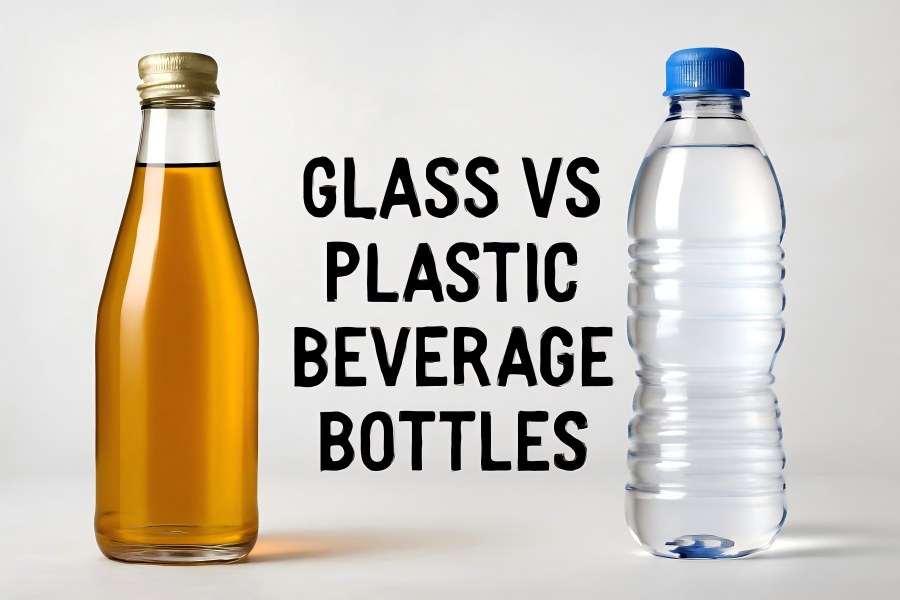
Choosing the right beverage bottle is one of the most significant decisions for a brand, as it impacts everything from production costs to brand identity. Two of the most commonly used materials for beverage bottles are glass and plastic, each with its unique set of advantages and drawbacks.
The material chosen not only influences the product’s shelf life, transportation costs, and consumer perception but also plays a critical role in the brand’s sustainability efforts.
This article explores the key factors to consider when deciding between glass and plastic bottles, comparing their material properties, environmental impact, logistics, and cost-effectiveness. We will help you navigate the trade-offs and determine the optimal option depending on your brand’s positioning, target audience, and operational demands.
Market Context & Industry Trends
The demand from consumers for sustainable packaging solutions is driving significant changes in the global beverage industry. Consumers now are more eco-conscious than ever, with many selecting firms that value sustainability. In parallel, the growing interest in premium and artisanal beverages has led to a resurgence in glass beverage bottle usage.
Plastic bottles, on the other hand, remain the go-to choice for high-volume, mass-market beverages due to their cost-effectiveness, durability, and logistical advantages. Despite the increasing environmental concerns surrounding plastic waste, it is still widely used because of its ability to provide low-cost, lightweight, and efficient packaging for beverages.
As a result, the packaging material you choose should align with your brand’s values, the product type, and your long-term strategy. This decision also hinges on the market you serve—premium brands may gravitate toward glass to project a high-end image, while larger, mass-market beverage producers may stick with plastic for logistical and cost reasons.
Material Properties: Glass vs Plastic
Glass Beverage Bottles
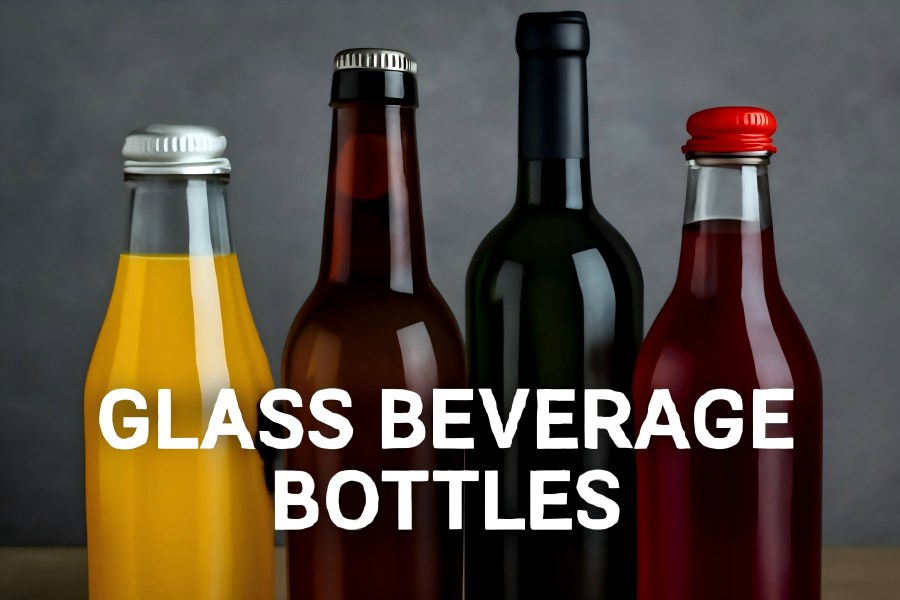
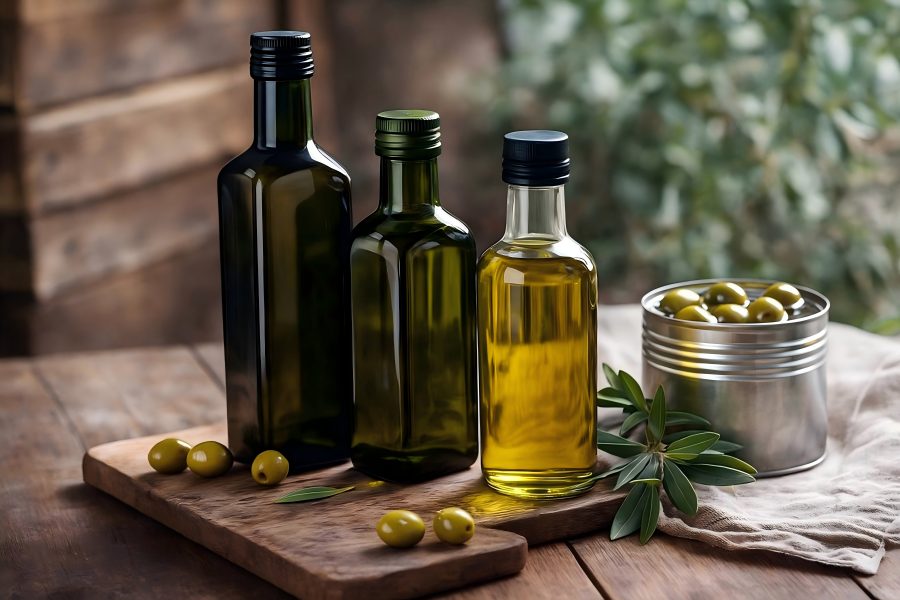
Materials including silica, soda ash, and limestone are used to make glass beverage bottles. They are produced by melting these raw materials at extremely high temperatures, which are then molded into the desired bottle shape. Glass is known for its premium quality, which is one reason why it is often used in the packaging of high-end beverages like wines, craft beers, and juices.
Key Properties of Glass:
- Chemical Inertness and Preservation: Glass is non-reactive, which means it doesn’t change the taste, aroma, or carbonation of the beverage inside. It’s especially important for beverages that require long shelf lives, such as wines and sodas.
- Premium Perception: Glass bottles are heavier, more durable, and are generally associated with premium products. Consumers tend to perceive glass as a more sophisticated and higher-quality material than plastic.
- Recyclability: Glass is completely recyclable and can be reused infinitely without any loss in quality, making it an ideal choice for brands committed to sustainability.
Aesthetic Appeal: Glass bottles offer a clear, shiny appearance that enhances product visibility. They are often used by brands to create a luxurious image or to differentiate premium products.
However, glass also presents some challenges:
- Fragility and Breakage Risk: Glass bottles are heavy and can easily break or shatter during transportation, handling, or storage, increasing the likelihood of product loss.
- Higher Production and Transportation Costs: The energy-intensive process of producing glass bottles, along with the added weight, increases production and shipping costs, making it a less cost-effective option compared to plastic.
Plastic Beverage Bottles
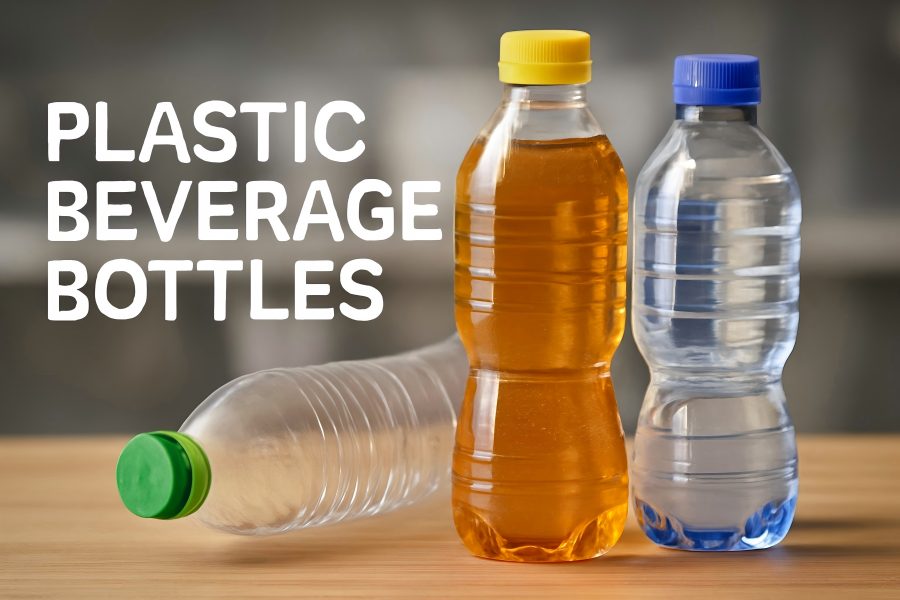
Plastic beverage bottles, particularly those made from polyethylene terephthalate (PET), are produced through molding or blow-molding processes. Unlike glass, plastic is lightweight, flexible, and relatively cheap to produce, which is why it is used for a wide variety of beverages, from soft drinks to bottled water.
Key Properties of Plastic:
- Lightweight and Durable: Plastic is much lighter than glass, making it less expensive to ship and handle. It is also highly durable and resistant to breakage, which is an important factor for brands focusing on cost-effective, high-volume distribution.
- Cost-Effectiveness: The production of plastic bottles is generally more affordable than glass, especially for mass-produced beverages. This cost advantage makes plastic the preferred choice for companies with large-scale production and distribution needs.
- Design Flexibility: The design of plastic bottles is quite adaptable. They can be molded into various shapes and sizes, and the material allows for the addition of unique labeling, making it easier for brands to customize their packaging.
On the downside, plastic does have several drawbacks:
- Environmental Concerns: While plastic is recyclable, it is not as easily recycled as glass. Many plastic bottles are downcycled, which limits their long-term sustainability. Additionally, plastic waste is a substantial contributor to environmental contamination.
- Perceived Lower Quality: Plastic is frequently linked by consumers to lower-quality goods. As consumers shift toward more sustainable options, the perception of plastic as a “cheap” material can negatively impact brand image, particularly for premium brands.
Comparison Table: Glass vs Plastic
| Property | Glass | Plastic (e.g., PET) |
| Weight | Heavy, increases transportation cost | Lightweight, reduces shipping and handling costs |
| Breakage Risk | High risk of shattering | Low, durable and resistant to impacts |
| Preservation/Barrier | Excellent for preserving taste, carbonation | Moderate, can affect taste and aroma over time |
| Recyclability | 100% recyclable, can be reused indefinitely | Recyclable, but often downcycled or not recycled |
| Aesthetic/Brand Image | Premium, high-quality feel | Often seen as less premium, more functional |
| Production Cost | Higher due to energy-intensive process | Lower cost, efficient for mass production |
Cost Analysis & Economics
The financial implications of choosing between glass and plastic go beyond the unit cost of production. Glass, while premium, comes with higher production, shipping, and storage costs due to its weight and fragility. On the other hand, plastic bottles are lighter, less expensive to manufacture, and more cost-efficient in terms of logistics.
- Production Costs: Plastic bottles are cheaper to create, as the manufacturing process for plastic is more energy-efficient and requires less raw resources. Glass, in comparison, involves more energy usage due to the high temperatures required for melting and shaping.
- Logistics and Shipping Costs: Due to its heavier weight, glass increases transportation expenses compared to plastic. Plastic bottles are lighter, which makes shipping less expensive and allows for more units to be transported at once, reducing the overall logistical cost per unit.
- Breakage and Waste Costs: Because glass is brittle, it may break while being transported or stored, resulting in product loss and possible safety issues. Plastic bottles, being durable, are less likely to break, reducing the risk of waste and the associated costs.
- Recycling and Return Systems: Glass bottles offer the potential for long-term cost savings if a reusable bottle system is implemented. However, such systems require significant infrastructure, including bottle collection, cleaning, and redistribution, which can increase operational complexity. For brands using single-use plastic, the costs associated with recycling can vary depending on local recycling infrastructure and the material used.
Brand Image & Consumer Perception
The choice between glass and plastic bottles is often tied to how a brand wants to position itself in the market. Glass bottles, due to their premium feel and sustainability benefits, are frequently used by high-end brands that want to convey quality, sophistication, and environmental consciousness. Plastic bottles, on the other hand, are typically used by mass-market brands, with an emphasis on convenience, affordability, and practicality.
Consumers perceive glass as a symbol of quality and luxury. Glass bottles are frequently connected to upscale drinks including gourmet juices, artisan brews, and fine wines. The weight, clarity, and feel of glass convey a sense of exclusivity and value.
Plastic bottles are more practical for everyday, high-volume beverages like sodas, water, and sports drinks. Consumers tend to see them as functional but less premium. However, plastic’s advantages in terms of cost and durability make it the preferred choice for mass-market brands that prioritize affordability and high distribution reach.
Environmental & Sustainability Considerations
As sustainability becomes an increasingly important issue for both consumers and companies, it’s essential to evaluate the different environmental impacts of glass and plastic when selecting the appropriate packaging for your brand.
Glass:
- Recyclability: Glass can be recycled an infinite number of times, and the process of recycling requires less energy than manufacturing new glass. However, the collection and recycling rates vary significantly by region, and glass bottles require careful handling to avoid breakage.
- Energy Consumption: Glass manufacture is energy-intensive due to the high temperatures required for melting the raw materials. However, glass can be reused indefinitely, reducing the need for virgin material production.
Plastic:
- Recycling Issues: While plastic bottles are recyclable, they are often downcycled, meaning they are turned into products of lower value rather than being reused as bottles. The environmental impact of plastic trash, particularly in oceans, is a growing concern.
- Lower Carbon Footprint (in Production): The production of plastic bottles generates fewer emissions than glass production due to the lower temperatures involved and the lighter weight of plastic.
Logistics, Supply Chain & Distribution Challenges
Logistics is a critical factor in the beverage industry, especially as brands scale and distribute products globally. Despite their many advantages, glass bottles present particular logistical difficulties because of their weight and fragility. Plastic bottles, on the other hand, are easier to transport and store due to their durability and lightness.
For glass bottles, the need for protective packaging and specialized handling can significantly increase the cost and complexity of distribution. Plastic bottles are more resilient, reducing the need for extra protection and making them more suitable for mass-market distribution.
Additionally, if your brand uses a refillable glass bottle system, you will need to invest in reverse logistics, such as bottle collection, sanitization, and redistribution.
Safety, Compliance & Regulatory Aspects
Both glass and plastic bottles must comply with various food safety standards, including those related to material safety, chemical leaching, and cleanliness. Glass bottles have the advantage of being chemically inert, meaning they do not leach any harmful substances into the beverage. Plastic bottles, however, may contain chemicals like BPA, which can potentially leach into the product, although BPA-free plastics are now more widely used.
Additionally, the regulatory environment surrounding plastic packaging is evolving, with many countries instituting bans or restrictions on single-use plastics. Glass bottles might be in a better position to adhere to these evolving laws, especially if they are utilized in refillable systems.
Conclusion
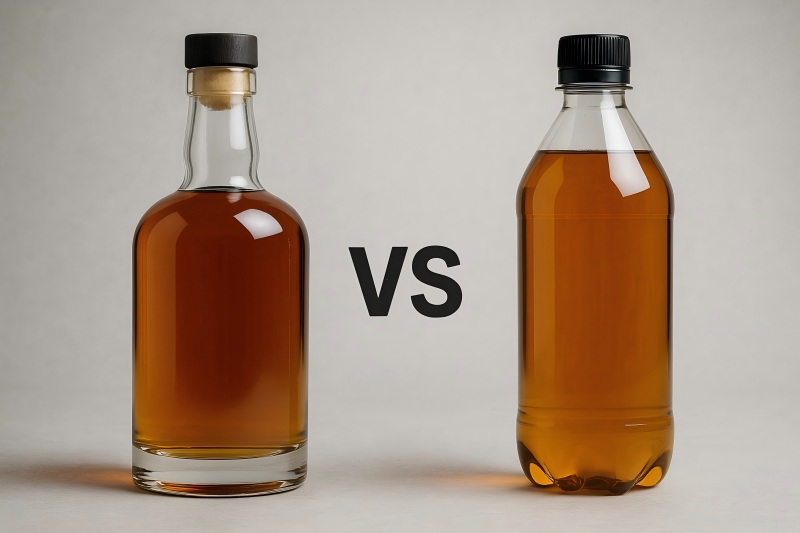
Choosing between glass and plastic bottles depends on your brand’s goals, target market, and sustainability focus. Glass provides premium quality, better taste preservation, and recyclability, making it ideal for high-end and eco-conscious brands. However, its higher production and shipping costs, along with the risk of breakage, make it less practical for large-scale production.
Plastic is appropriate for large-scale, mass-market beverages because it is affordable, strong, and lightweight. However, its environmental impact and lower quality perception may not align with brands aiming for a premium image or sustainability.
Ultimately, your packaging choice should reflect your brand’s values and strategy. A hybrid approach — glass for premium products and plastic for mass-market lines — can offer the best balance.