How to Source Glass Bottles from China: Complete Buyer’s Guide
China cranks out over 70% of the world’s glass packaging. The country’s got competitive prices, scalable factories, and a wild range of customization options. Sourcing glass bottles from China can slash your packaging costs by 30-50% compared to local suppliers, if you vet your partners and keep a sharp eye on quality control.
But it’s not as simple as clicking “buy.” You’ll need to understand where the manufacturing clusters are, check supplier certifications, know the minimum order quantities, and get a handle on import rules.

It’s more than a price hunt. You’ve got to check if suppliers are reliable, see if they meet safety standards like FDA and ISO, and put quality control in place.
Five provinces take the lion’s share of glass bottle production: Guangdong, Zhejiang, Shandong, Hebei, and Sichuan. Each region has its own specialties and price brackets, with costs running from $0.22 to $0.50 per bottle, depending on specs and location.
This guide breaks down each step for sourcing glass bottles from China. You’ll find out how to spot trustworthy manufacturers, work out pricing and minimum orders, manage quality inspections, and handle shipping. Whether you’re after cosmetic bottles, beverage containers, or pharmaceutical vials, there’s something here for your supply chain.
Key Takeaways
- China’s five main glass bottle regions serve up different prices, quality, and lead times (usually 18-40 days)
- Always verify supplier certifications like ISO 9001 and FDA, and use third-party inspections before shipping
- Quality control, understanding MOQs, and picking the right shipping method all matter for keeping costs in check
Understanding the Chinese Glass Bottle Market

China’s got a lock on global glass bottle production. The country’s low prices and range of options pull in buyers from everywhere.
With a solid manufacturing network and skilled workers, China is the go-to for businesses that need glass packaging.
Market Advantages and Cost Benefits
Chinese glass bottle factories usually charge 30-50% less than Western ones. Lower labor costs and big production runs drive that price down. High volumes mean you pay less per bottle, which is tough to beat.
When you buy from China, you tap into established export networks. Most manufacturers have shipped globally and know the customs drill. They’re set up for big orders and can move fast.
With so many factories competing, you get bargaining power. Negotiate for custom designs, special finishes, or decoration—without getting gouged on price.
Types of Glass Bottles Available
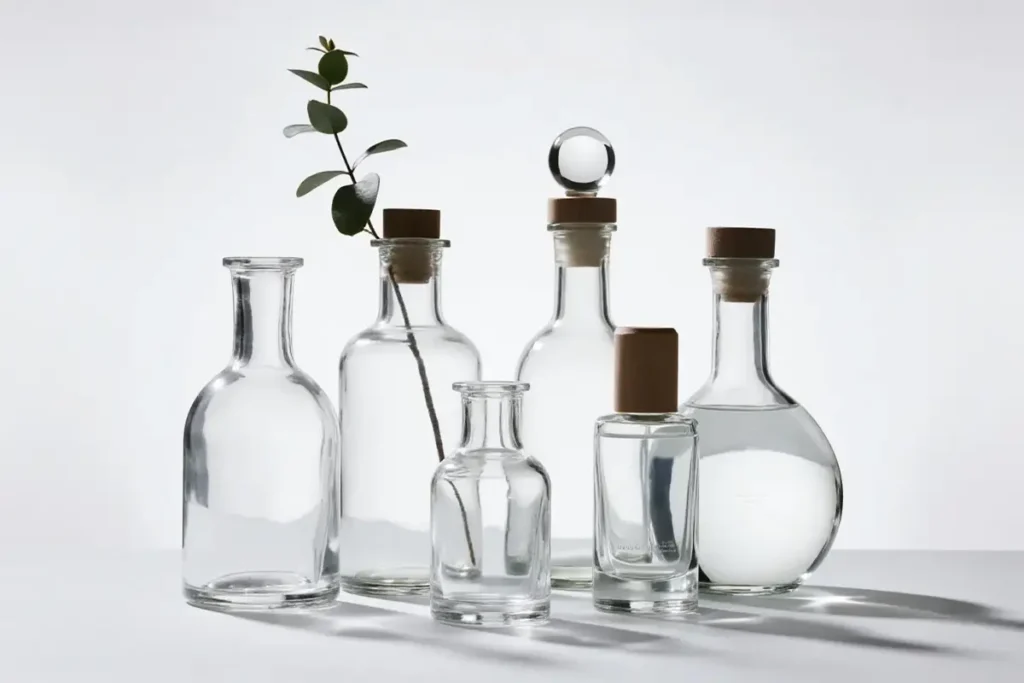
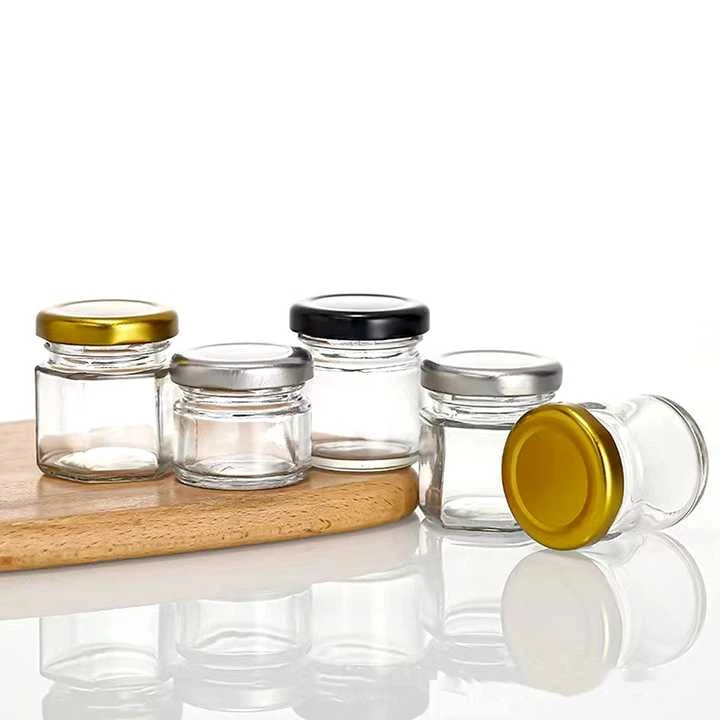
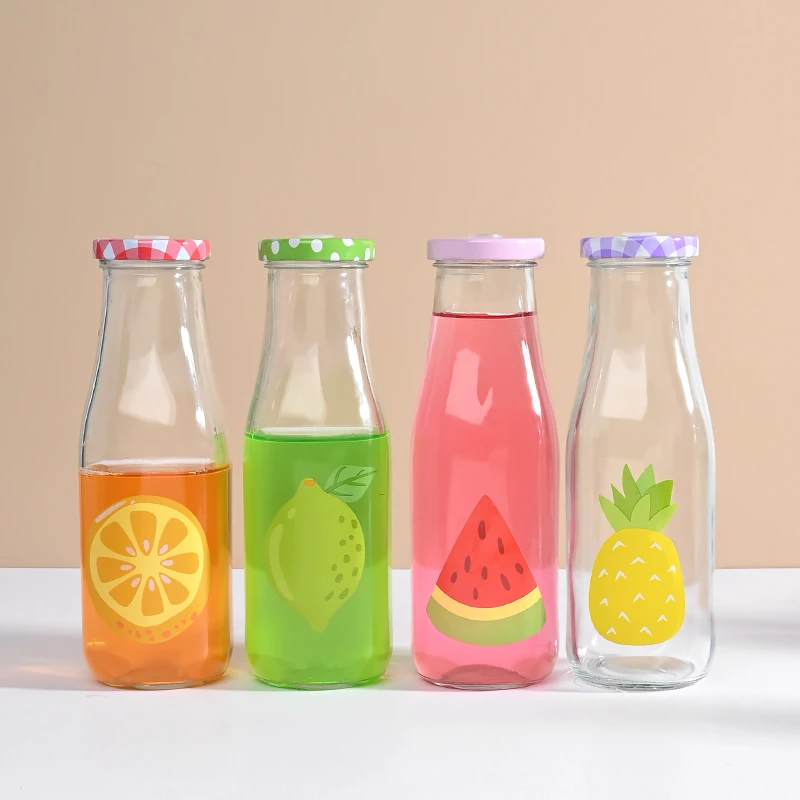
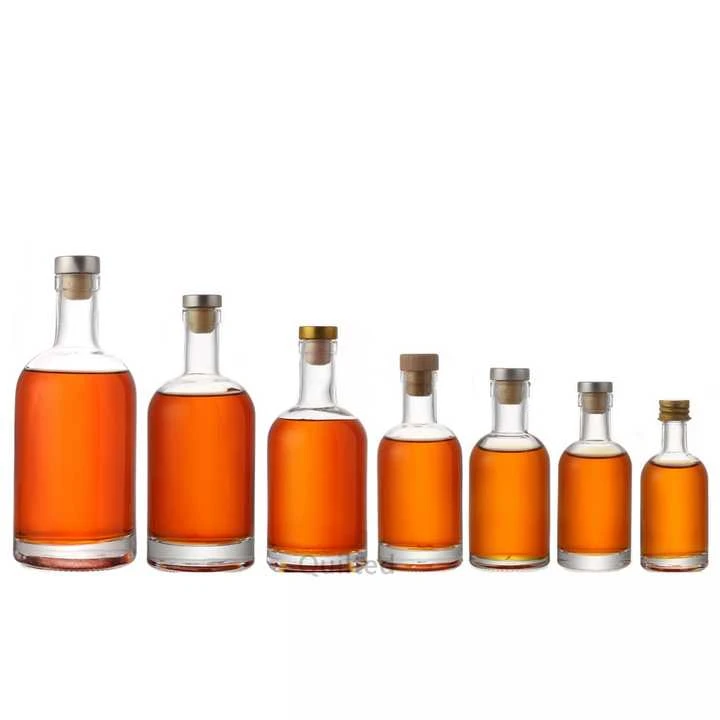
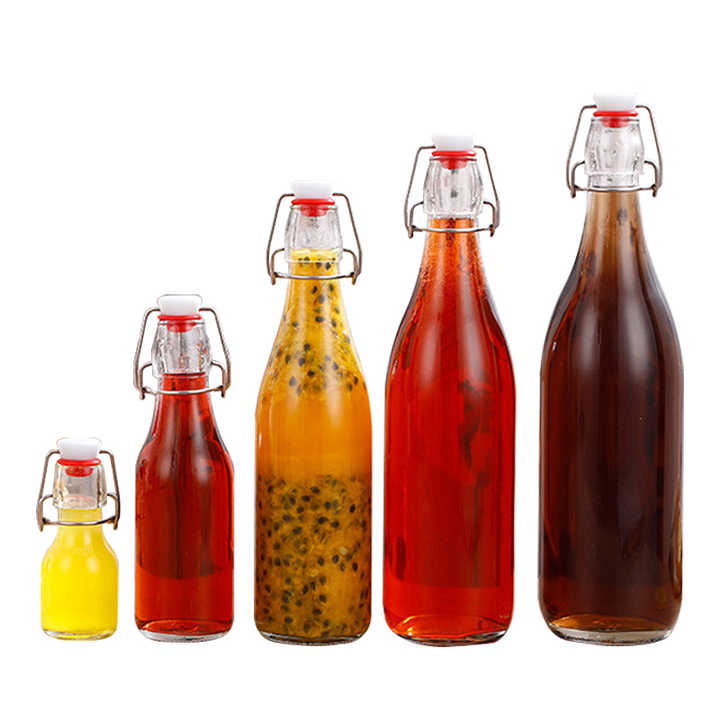
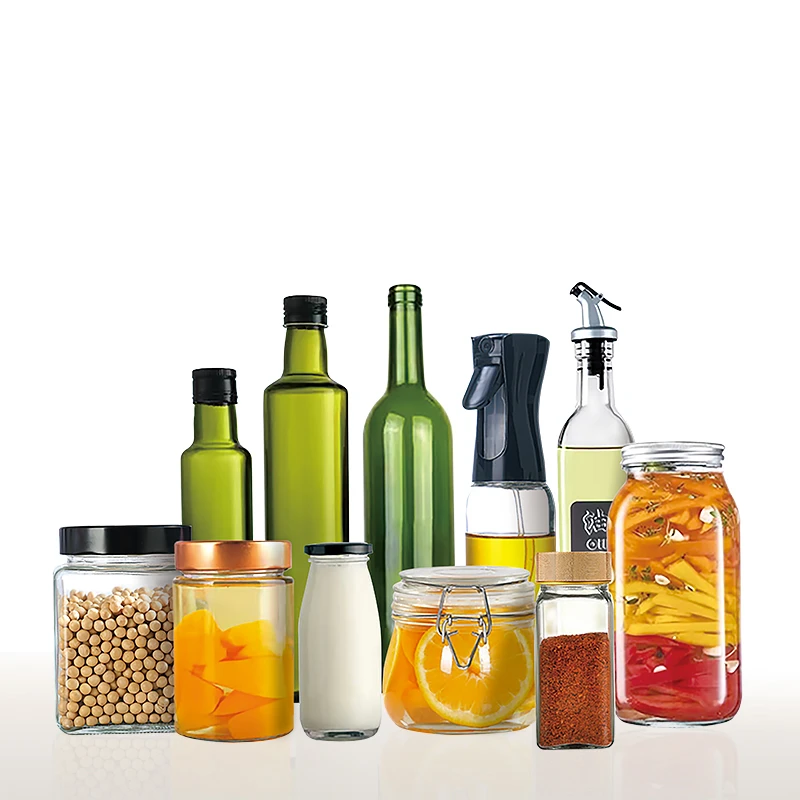
Chinese factories make bottles for just about every industry. Want beverage bottles for wine, beer, or spirits? No problem. Food jars and containers come in loads of shapes and sizes.
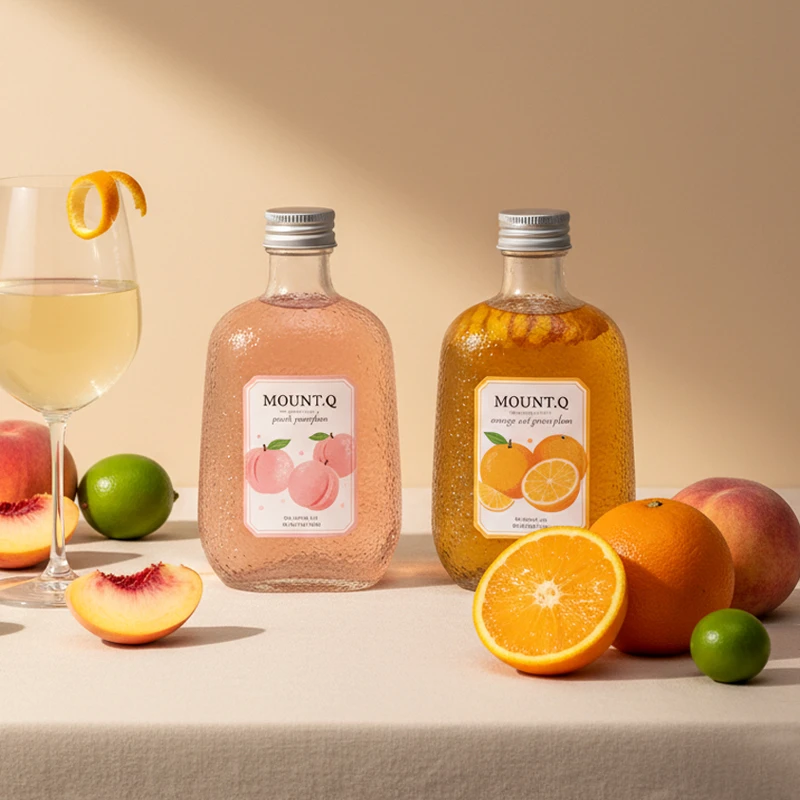
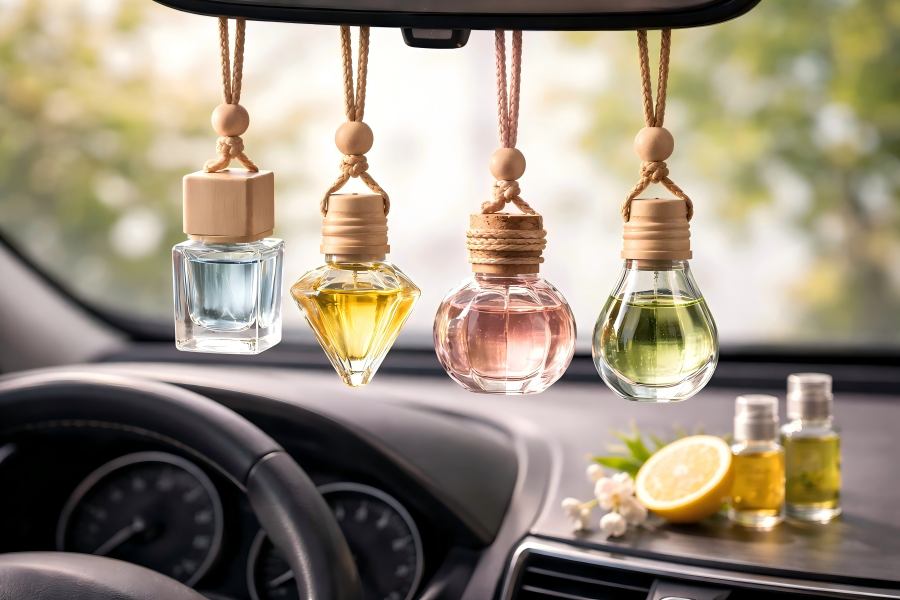
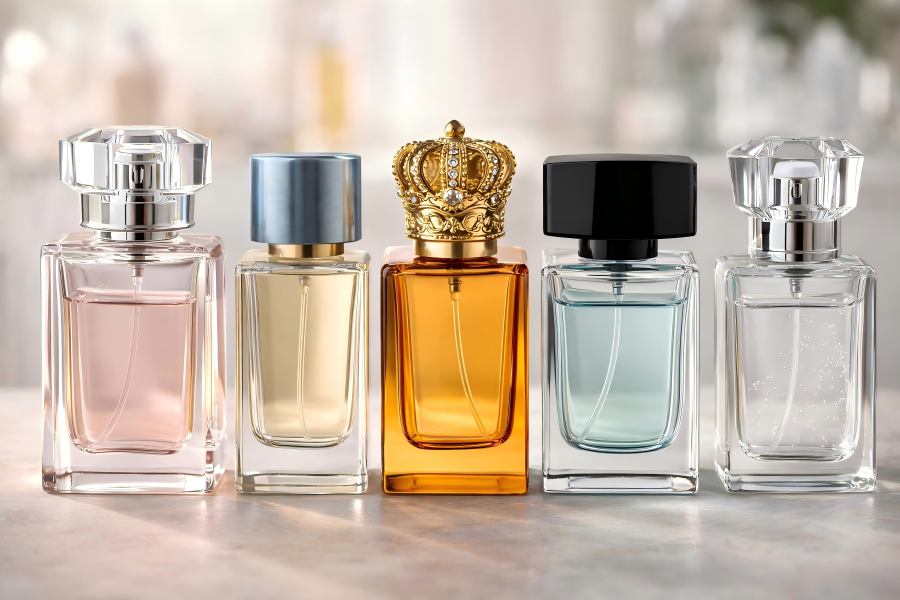
Cosmetic and perfume bottles? Tons of options, with different neck finishes and decorations. Pharmaceutical bottles meet global standards—amber or clear, whatever you need.
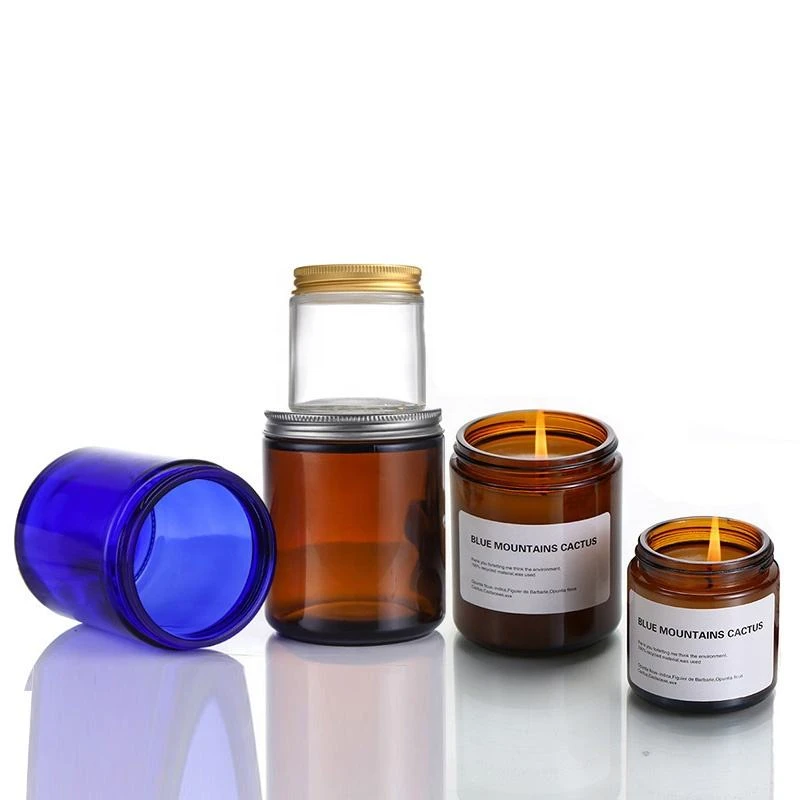
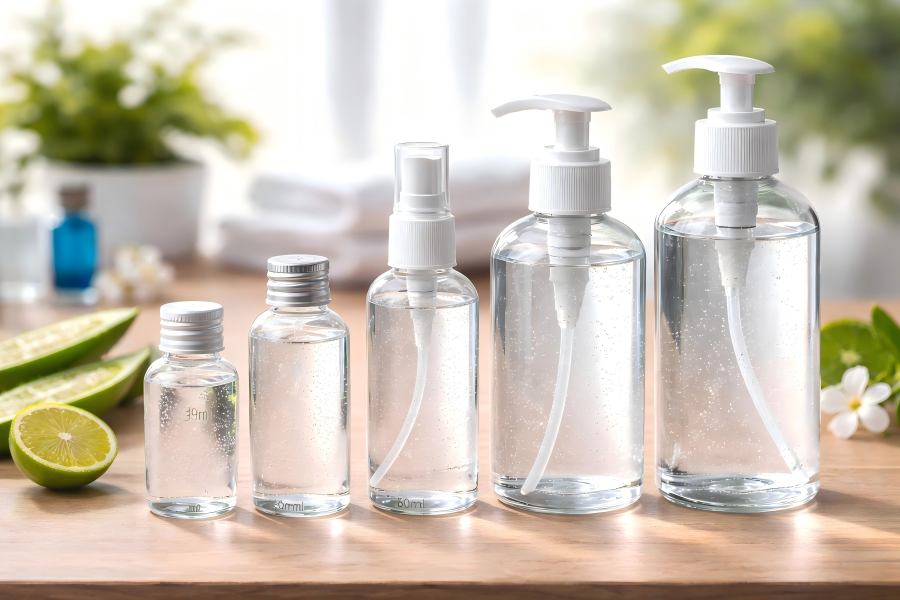
Essential oil bottles with droppers or roll-ons are everywhere. Some factories even handle luxury packaging with custom molds. You can pick from clear, amber, blue, or green glass, and choose finishes like frosting, painting, or hot stamping.
Key Regions for Glass Bottle Production
Xuzhou in Jiangsu Province is China’s glass bottle powerhouse. Hundreds of factories there crank out all kinds of bottles and sizes. The region’s got deep experience and modern gear.
Guangdong, especially near Guangzhou and Shenzhen, is another big player. Those factories focus on premium and cosmetic packaging, and they’re well connected to international buyers.
Shandong handles industrial-scale bottle production. Factories there are set up for massive orders and offer solid prices on standard designs. Hebei also produces a lot, with factories spread across several cities.
How to Choose and Vet Suppliers
Picking a supplier for your glass bottles takes some legwork. You’ll want to check their business type, credentials, product quality, and order requirements. Make sure they can deliver the exact bottles you need—perfume, cosmetic, beverage, or food packaging—at the quality and scale you want.
Manufacturer vs Trading Company
You’ll run into two main types: manufacturers and trading companies. Manufacturers own the factories and make the bottles themselves. Trading companies are middlemen between you and the factory.
Going straight to a manufacturer usually means better prices and more control. Customizing designs or talking specs is easier when you’re not dealing with a go-between.
Trading companies help if you want small quantities or a mix of products. They’ll bundle orders from different factories and sort out logistics, but they tack on a markup for their trouble.
Ask suppliers if they really own their factories. Get factory photos, business licenses, or even videos. Don’t just take their word for it.
Verifying Supplier Credentials
Check that the supplier has a legit business license and the right certifications. Most glass bottle factories should have ISO 9001 for quality. For food and beverage bottles, look for FDA or LFGB certificates.
Try a video call for a virtual tour. Ask to see production lines, quality control, and warehouses live. It’s a good way to make sure they’re not faking it.
You can hire third-party services to audit suppliers. They’ll check business registration, production ability, and quality systems. Ask for references—ideally from clients in your industry.
See if they’ve exported before by asking for proof of past international shipments. Experienced suppliers know how to pack and ship for the long haul.
Requesting Samples and Assessing Quality
Always order samples before a big run. Ask for the exact bottle type you want, whether it’s for perfume or food. Most suppliers charge for samples, but some will refund the cost when you place a bulk order.
Check samples for defects—look for uneven thickness, bubbles, or weak seams. Measure everything and make sure it matches your specs. For beverage bottles, test the cap seal.
Look at glass clarity and color. Hold bottles up to the light to spot flaws. If you want custom colors or coatings, ask for several samples to see if they’re consistent.
Write down your quality standards. Share detailed specs—size, weight, glass thickness, and what’s an acceptable defect rate. Set the bar early so there’s no confusion later.
Minimum Order Quantities and Lead Times
Most glass bottle manufacturers want minimum orders of 10,000 to 50,000 units per design. Custom bottles—like perfume bottles—usually have higher MOQs to cover mold costs.
Standard bottles might have lower MOQs since the molds are already in use. If you’re starting small, ask about stock bottles.
Lead times depend on complexity and factory workload. Standard bottles take about 30-45 days, while custom designs can take 45-60 days. Factor in time for new mold development if you’re inventing a new shape.
Ask for a timeline that spells out each step: mold making, production, inspection, and shipping. Always build in buffer time—Chinese holidays and peak seasons can throw off schedules.
Custom Orders, Pricing, and Sustainable Packaging
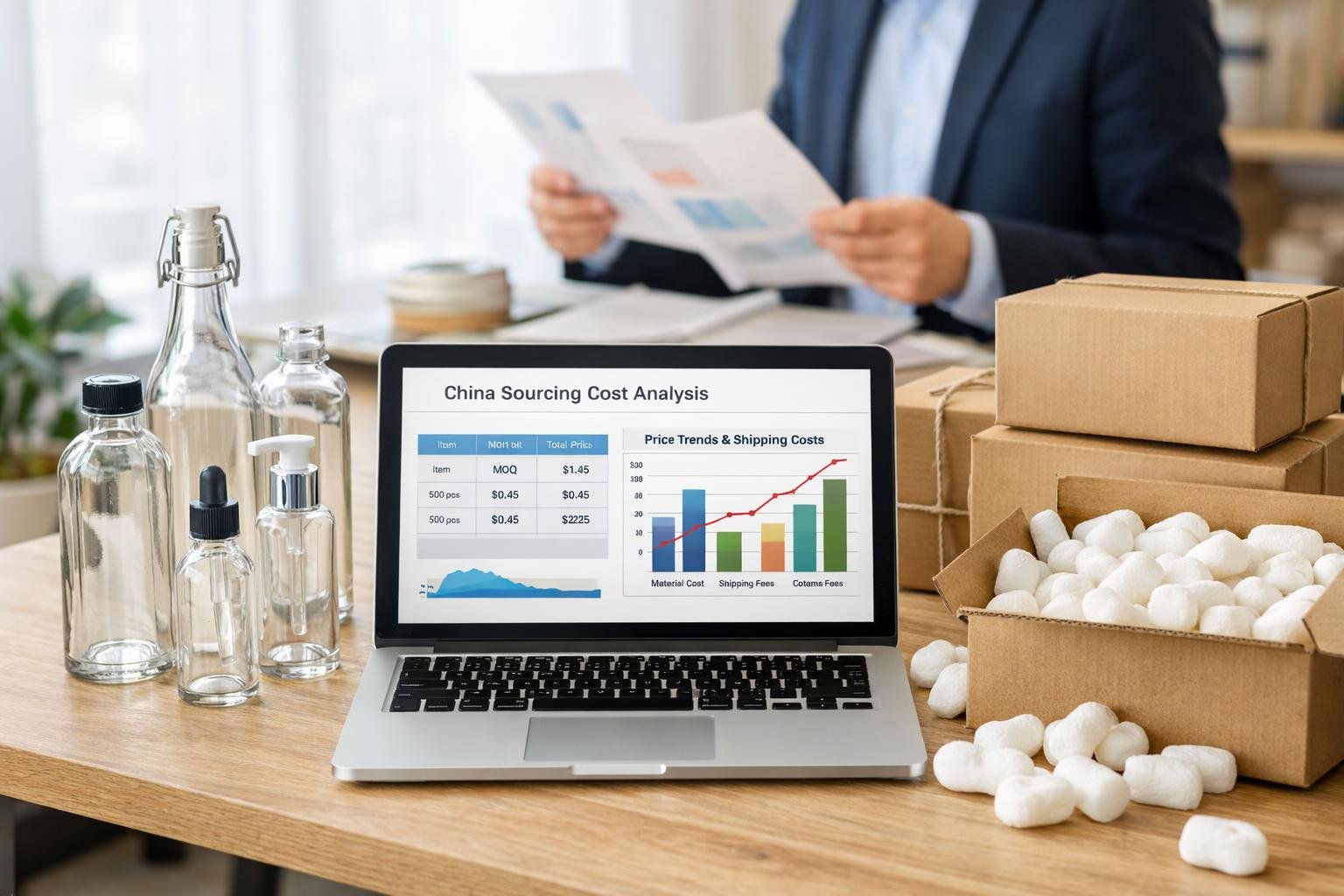
If you’re placing custom glass bottle orders in China, you’ll need detailed specs, transparent pricing, and maybe even some eco-friendly options. Knowing about tooling fees, minimum order quantities, and sustainable materials helps you make better choices.
Defining Specifications for Custom Glass Bottles
Give Chinese manufacturers clear specs before they start. Start with the bottle’s dimensions—height, diameter, and capacity in ml or ounces. Don’t forget design details like neck finish, closure type, and wall thickness.
Key specs to define:
- Shape and style – Standard shapes are cheaper than unique custom molds
- Color – Clear, amber, green, or custom Pantone shades
- Surface treatment – Frosting, coating, screen printing, or embossing
- Bottom design – Punt depth and stability needs
Custom molds need detailed technical drawings with exact measurements. Spell out tolerance levels for critical dimensions that matter for function. For cosmetic bottles and beverage bottles, include info about dispensing or pour spouts.
Not all factories can do everything. Some focus on food packaging, others on spirits or pharmaceuticals. Always ask for samples that match your specs before you go big.
Cost Structure: Tooling, Unit Price, and Shipping
Tooling fees are your biggest upfront cost when ordering custom glass bottles. A new mold usually runs $1,500 to $8,000, depending on design complexity and size.
Simple cylindrical bottles cost less than those with embossing or unusual shapes.
Unit prices drop a lot as your order size goes up. Small runs of 5,000 units might be $0.80 per bottle, but if you order 100,000, it could go down to $0.30 each.
Minimum order quantities are usually between 5,000 and 50,000 pieces.
Typical cost breakdown:
| Cost Component | Percentage of Total |
|---|---|
| Raw materials | 30-40% |
| Manufacturing | 25-35% |
| Tooling (amortized) | 10-20% |
| Shipping | 15-25% |
Shipping costs hinge on your delivery method and how fast you need the bottles. Sea freight takes 4-6 weeks but is way cheaper than air.
Shipping glass packaging by container takes some planning because of the weight and how easily it breaks.
Sustainable and Eco-Friendly Packaging Options
Chinese manufacturers now offer a bunch of sustainable packaging solutions for glass bottles. Using recycled glass helps the environment and can cut material costs.
You can ask for anywhere from 20% to 80% post-consumer recycled glass in your bottles.
Lightweighting technology lets factories make thinner bottle walls without losing strength. That means 10-30% less raw material and lower shipping costs.
This works well for beverage bottles and other non-pressurized containers.
Eco-friendly options available:
- Post-consumer recycled (PCR) glass content
- Lightweight designs that use less material
- Water-based coatings instead of solvent-based
- Returnable and refillable bottle programs
Some factories run partly on renewable energy. Definitely ask for documentation on sustainability certifications and carbon footprint data.
Reusable bottle designs are getting more popular in cosmetic bottles and premium beverage markets.
China makes over half the world’s glass bottles, so you get access to advanced sustainable manufacturing. Working directly with factories means you can customize environmental features and still keep quality where you want it.
Quality Control, Logistics, and Import Procedures
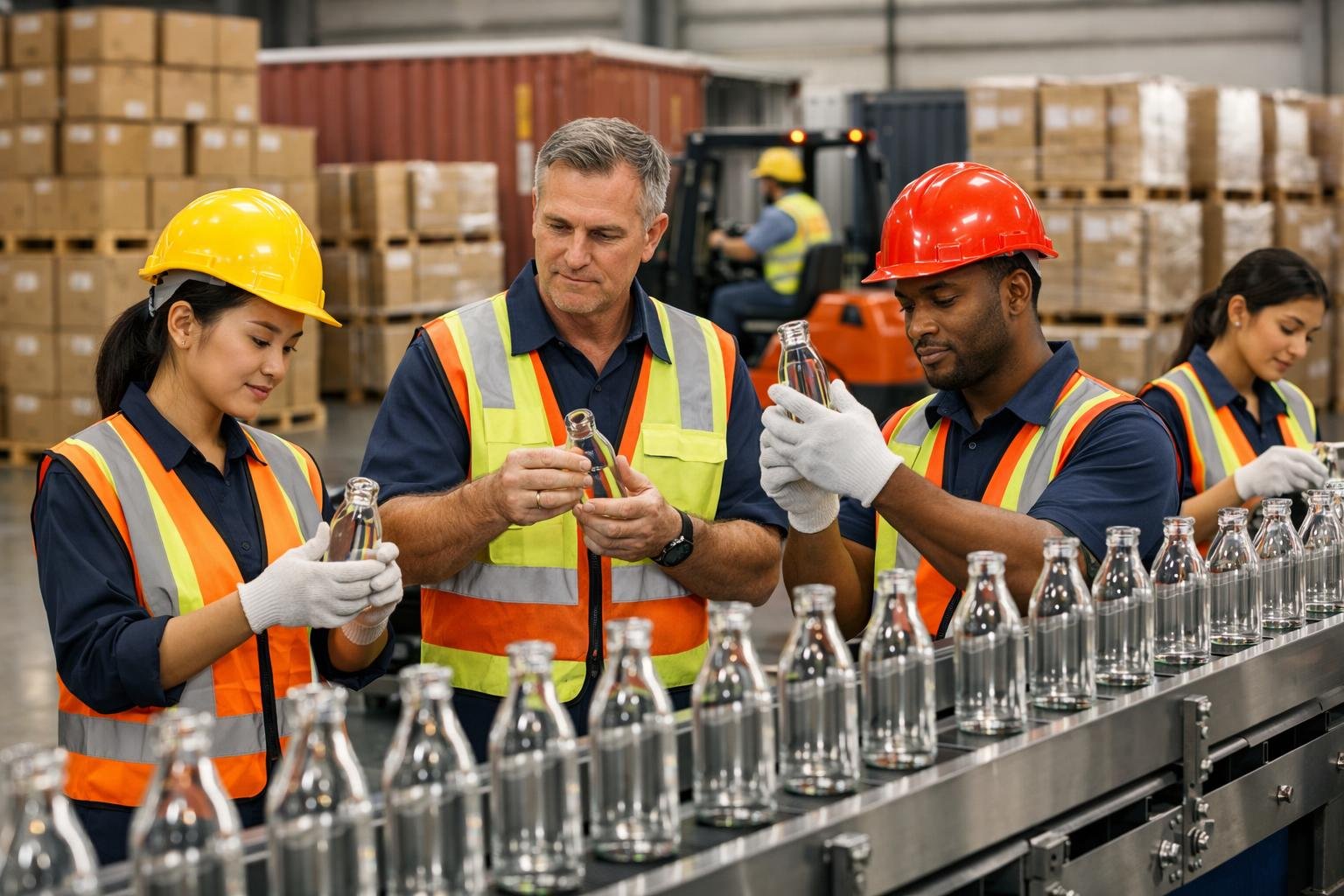
Getting quality glass bottles from China takes strict inspections, smart shipping choices, and the right paperwork. These steps protect your investment and help your order arrive without drama.
Implementing Quality Inspections and Controls
Quality checks stop defective glass bottles from landing in your warehouse. Always ask for samples before placing a big order so you can check quality yourself.
This lets you confirm dimensions, glass thickness, and finish.
Stick with suppliers who have ISO 9001 certification. That means they follow international quality standards.
Ask for certificates specific to your industry, like ASTM for certain uses or FDA approval for food-grade packaging.
Set up inspections at three stages:
- Pre-production: Check raw materials and specs
- During production: Review manufacturing at the factory
- Pre-shipment inspection: Look over finished goods before they leave China
A pre-shipment inspection catches issues like cracks, chips, or wrong sizes before shipping costs pile up. You can hire a third-party inspector or visit the factory yourself.
Most buyers check a random sample from each batch, not every single bottle. It’s just not practical otherwise.
Shipping and Freight Considerations
Glass bottles are heavy and breakable, which really affects shipping. Sea freight is best for big orders since it’s cheaper per unit, but it takes 4-6 weeks.
Air freight gets there in 7-10 days but costs a lot more. Calculate your total shipping costs early—weight and volume both matter here.
A 20-foot container holds about 20,000-30,000 standard bottles, depending on size. Your supplier should use sturdy packaging like cardboard dividers, foam, or plastic separators between bottles.
Pallets need shrink wrap and corner protectors. Ask for photos of the packed container before it ships out.
If you’re buying from several suppliers, consider consolidation services. That way, you can combine smaller orders into one shipment and cut down on freight costs.
Import Regulations and Documentation
You’ll need certain paperwork to clear customs when importing glass bottles from China. These include a commercial invoice, packing list, and bill of lading.
Your supplier should also give you a certificate of origin. Double-check tariff codes for glass bottles in your country—different bottle types might have different import duties.
Food and beverage bottles sometimes need extra health certificates or FDA registration in the US. Some countries want special labels or testing for glass packaging, so look into these rules before you order.
Your customs broker can explain local requirements and handle clearance. Keep copies of all your supplier’s quality certificates, just in case customs asks for proof that your products meet safety standards.
If you’re missing documents, expect delays and storage fees at the port. Nobody wants that.
Frequently Asked Questions
Buyers usually want quick answers about manufacturing standards, timelines, and compliance when sourcing from China. These questions cover the common issues distillers and beverage brands run into during procurement.
What are the important factors to consider when selecting a Chinese glass bottle manufacturer?
Focus on the factory’s experience making bottles for your industry. Spirits bottles need different skills than cosmetic or food jars, so make sure the manufacturer regularly produces heavy-bottom bottles, extra-flint glass, and custom shapes for beverage brands.
Check out the factory’s production capacity and equipment. Look for multiple production lines, automated IS machines, and in-house decoration to avoid delays from outsourcing.
Export experience is a big deal. Factories that ship to your market regularly know the compliance requirements, packaging standards, and quality expectations for the EU, US, or wherever you’re based.
Check for certifications like ISO 9001 and food-contact safety test reports from labs like SGS or Intertek. These show the manufacturer meets global quality and safety standards.
Ask about their client base and request references from customers in the spirits or beverage industry. If a factory connects you with current clients, that’s a good sign.
How do I ensure the quality of glass bottles produced by a supplier in China?
Write a detailed spec sheet before production starts. Include exact dimensions, weight, glass color, neck finish measurements, and acceptable defect levels using AQL standards.
Create a Golden Sample that both you and the factory sign off on. This physical sample becomes the benchmark for all future orders and helps settle any disputes about quality.
Hire third-party inspection companies like SGS, Intertek, or Bureau Veritas for pre-shipment inspections. These independent checks make sure production matches your approved sample and AQL levels before you pay the balance.
Ask for production samples during manufacturing. Compare these to your Golden Sample for clarity, weight, dimensions, and any decoration.
Test bottles on your own filling line before you commit to a big order. That’s the best way to spot compatibility issues with filling heads, closures, labeling, or capsules.
Set clear quality control checkpoints in your contract. Spell out what counts as critical, major, and minor defects, and specify the AQL levels for each.
What are the typical lead times for glass bottle production and shipment from China?
Stock bottles using existing molds usually take 20 to 30 days from order confirmation to production finish. These ship out right after passing inspection, so total lead time is around 4 to 6 weeks to your port.
Custom bottles that need a new mold take longer—plan for 45 to 90 days. Mold design, making, and testing add 30 to 60 days, then production takes another 20 to 30 days.
Decorated bottles need extra time for each finish. Frosting, spraying, or printing adds 7 to 15 days depending on how complex the job is.
Sea freight from major Chinese ports to North America takes 20 to 35 days. European destinations usually need 25 to 40 days, but timing varies based on routes and port efficiency.
Peak seasons can stretch all these timelines. Chinese New Year, Golden Week, and the pre-holiday rush can add 2 to 4 weeks to your lead time.
Can you explain the process of customizing designs with Chinese glass bottle manufacturers?
Start by sharing mood boards, rough sketches, and your brand’s positioning to guide the design. Be clear about whether you want premium, luxury, or entry-level vibes and what shelf presence you’re after.
The factory’s design team will make 2D drawings and 3D models based on your ideas. These show exact dimensions, weight, base thickness, and neck finish specs.
Go over volumetric calculations to make sure the bottle holds the right amount at the correct fill height. Standard spirits bottles are 700 ml or 750 ml, but you need to account for headspace and manufacturing tolerances.
Approve the final drawings before the mold is made. Changes after mold production starts get expensive—or sometimes just can’t happen—so check every detail, from embossed logos to neck specs.
The factory will send you first samples from the new mold. Inspect them for defects, accuracy, and fit with your closures and filling line.
Make any mold tweaks you need based on those first samples. Small changes are normal; big ones might mean starting over with a new mold.
What certifications should a reputable Chinese glass bottle supplier have?
ISO 9001 certification shows the factory keeps up documented quality management systems. This comes from recognized bodies and means they track production and defects consistently.
Beverage bottles must meet food-contact safety rules. Look for test reports showing compliance with FDA 21 CFR for the US or EU Regulation 1935/2004 for Europe.
Heavy metal test reports from accredited labs confirm safe levels of lead and cadmium. SGS, Intertek, or similar companies should do these—not just the factory’s own lab.
Export licenses and customs registration show the factory can ship internationally and operates legally. Check that these documents match the factory’s real business name and address.
Some factories have extra certifications like HACCP or customer audit approvals from big beverage brands. These mean higher quality standards, but you might not need them for every project.
Ask for up-to-date certificates directly from the issuing organizations. Sometimes fake or expired certificates pop up in presentations, so double-checking protects your investment.
How do I navigate the logistics and import regulations when buying glass bottles from China?
Pick Incoterms that match your comfort level and experience with logistics. FOB (Free On Board) lets you handle shipping and costs, while CIF (Cost, Insurance and Freight) leaves ocean freight and insurance up to the supplier.
Find a licensed customs broker in your country. They’ll tackle import paperwork, duty calculations, and help you stay on the right side of local regulations.
Double-check that your glass bottles comply with your country’s packaging and food-contact rules. Every country has its own standards for testing, labeling, and documentation—sometimes these details sneak up on you.
Figure out your total landed cost. That means adding up the purchase price, shipping, insurance, customs duties, and inland transport. Shipping glass gets pricey fast since it’s heavy and takes up a lot of space.
Don’t skip insurance for ocean freight. Glass breaks—sometimes a lot—and basic carrier liability rarely covers the full amount you’ve spent.
Expect some waiting at customs when your shipment arrives. It’s smart to budget an extra 3 to