How to Source Reliable Wholesale Glass Spice Jar Supplier: A Complete Buyer’s Guide
Glass spice jars serve as much more than simple containers. For manufacturers, they represent a critical part of the supply chain, ensuring that spices are stored safely, stay fresh, and are easy for consumers to use. The right glass spice jar can reflect the quality of your product and brand, so choosing a reliable supplier is essential.
This guide will walk you through the steps of sourcing wholesale glass spice jars. From understanding your product specifications to evaluating suppliers, assessing product quality, and negotiating prices, this guide will help you select a supplier that meets your requirements.
Understand Your Needs First
Before reaching out to suppliers, it’s essential to define your needs clearly. Understanding your product specs and packaging requirements will make the process more straightforward and help you interact effectively with potential vendors.
Define Your Product Specifications
The type of glass spice jars you need depends largely on the product you’re selling. Start by considering the following factors:
- Jar capacity: Spice jars typically come in capacities ranging from 50ml to 500ml. For bulk spices or cooking products, larger jars may be necessary, whereas small jars are ideal for premium or single-use spices.
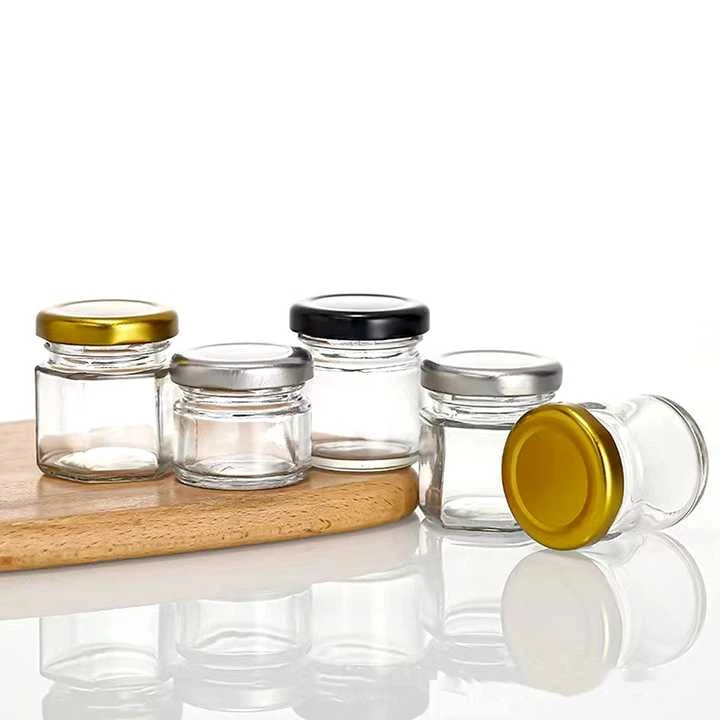
- Shape and design: The shape of the jar can substantially affect its functionality and appeal. Classic round jars, hexagonal jars, and square jars are all popular alternatives, each giving a distinct visual effect and practical application.
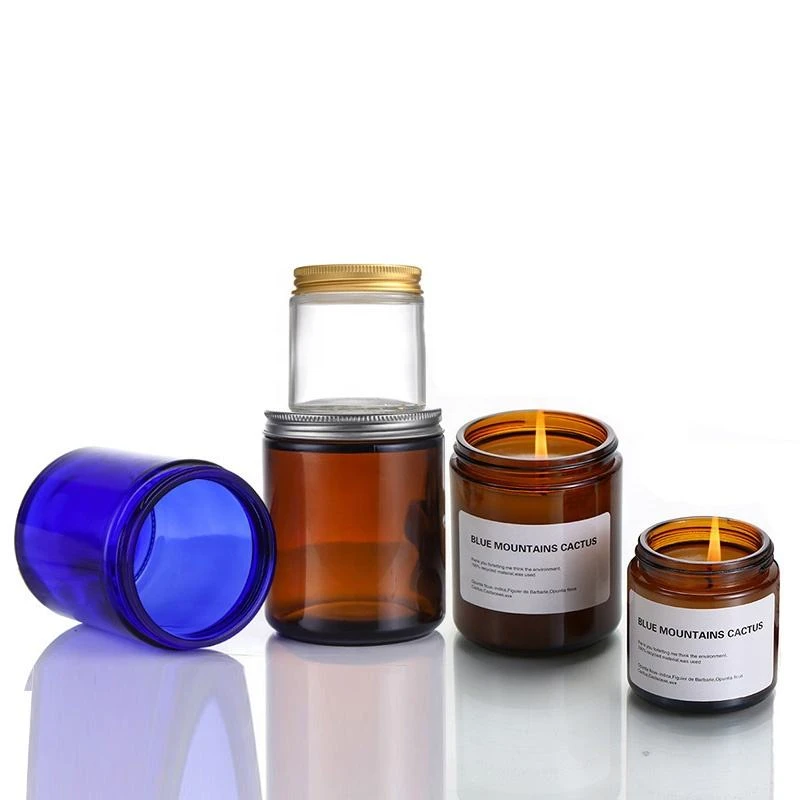
- Color and transparency: Glass jars come in various colors, such as clear, amber, frosted, and custom colors. Amber and frosted glass provide enhanced protection against light, which can deteriorate the quality of spices.
Determine Your Packaging Requirements
The lid is another critical aspect of your spice jar’s functionality. Common lid types include:
- Screw lids: Metal or plastic screw lids are common for glass spice jars. They offer a secure seal and are easy to open and close.
- Shaker lids: For spices like pepper or salt, shaker lids with holes are often used. You may want to consider whether a shaker lid is appropriate for your product.
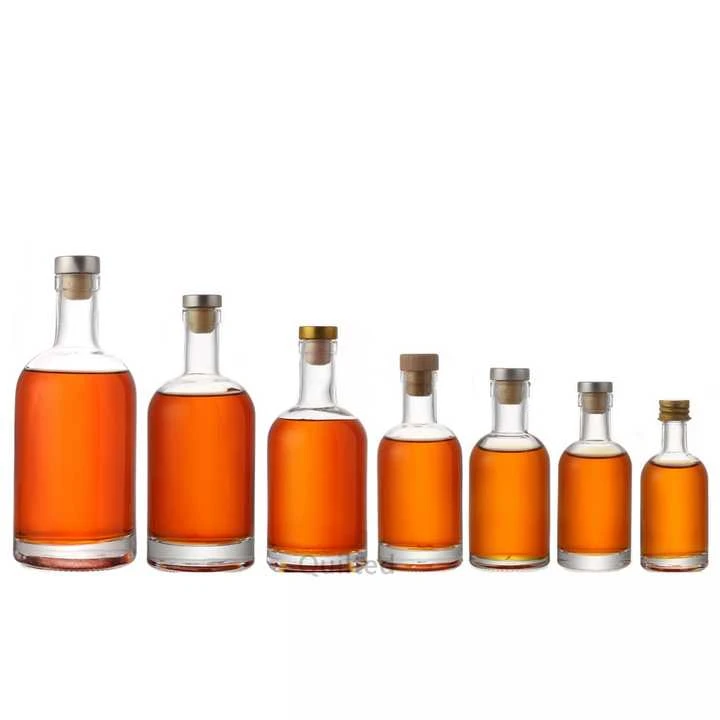
- Cork or wooden lids: These lids provide a rustic or organic look, perfect for artisanal spice products or premium offerings.
Also, consider the possibility of labeling or custom printing on the jars. If you are looking for specific designs or logos, check with suppliers to see if they can provide these services.
Identify the Volume of Your Purchase
How much spice packaging will you need? Order volumes play a large role in determining the type of supplier you choose. For smaller businesses, working with a supplier who offers flexible order quantities is crucial. Larger orders or businesses that require regular restocking might be able to negotiate better terms with suppliers that offer bulk pricing.
Consider the frequency of your orders as well. If you have a seasonal demand, ensure that the supplier can accommodate that fluctuation in volumes.
Types of Glass Spice Jars and Their Uses

Popular Glass Spice Jar Styles
There are several popular glass jar styles used for spices, each with its own unique advantages.
- Classic round jars: These are the most common and are generally easy to produce and label.They are simple to stack and store because of their consistent shape.
- Hexagonal jars: Often used for high-end or handcrafted goods, these jars have a unique appearance. They can make a brand more noticeable on store shelves.
- Square jars: Square jars are efficient for packing and offer excellent shelf stability. They’re great for maximizing space, especially for bulk products or larger spice containers.
- Stackable jars: These are designed to fit into a vertical stack, allowing for easier storage and transport.
Different Lids and Closures
The type of lid used for your spice jars is just as important as the jar itself, as it can affect ease of use and product freshness.
- Screw lids (metal, plastic): These are commonly used for their secure sealing ability and ease of use.
- Flip-top or shaker lids: Used for spices like salt, pepper, or herbs, flip-top or shaker lids allow for controlled dispensing.
- Cork or wooden lids: These provide an organic or vintage look, ideal for premium, artisanal spices.
Customization Options
Many suppliers also offer customized glass spice jars. Customization can include:
- Logo printing or embossing on the glass or lid.
- Colored glass for specific branding or light protection.
- Custom shapes to reflect your brand identity.
Custom jars allow you to stand out on the shelf and create a unique identity for your product.
Identifying Reliable Wholesale Glass Spice Jar Suppliers
Finding a reliable supplier for wholesale glass spice jars is crucial to ensuring product quality and timely delivery. Not all suppliers are created equal, and the wrong choice can affect your entire operation.
Key Characteristics of a Reliable Supplier
A reliable supplier should offer:
- Experience: Suppliers with years of experience understand the intricacies of glass packaging and can provide valuable advice.
- Quality consistency: The supplier should demonstrate a proven history of delivering high-quality products on a consistent basis.
- Good communication: A supplier with clear communication helps avoid misunderstandings and delays.
- Customer service: A supplier with responsive and helpful customer service can assist with any issues that arise during the purchasing process.
Supplier Sourcing Methods
There are multiple ways to find suppliers:
- Domestic suppliers: Sourcing locally can save on shipping costs and lead times.
- International suppliers: You may find better pricing or customization options by looking internationally, though this may come with higher shipping costs and longer delivery times.
Online wholesale marketplaces: Platforms like Alibaba and Global Sources provide access to many wholesale glass jar suppliers. Be sure to read reviews and verify the legitimacy of the - supplier.
- Exhibitions and trade fairs: Going to trade events is a fantastic method to meet vendors face-to-face, view samples, and establish connections.
How to Assess Supplier Reliability
- Reviews and feedback: Look for reviews from other businesses who have purchased from the supplier. This will help you assess the supplier’s reliability and the quality of their products.
- Sample orders: Order samples from the supplier to test the quality of the glass, lids, and overall design.
- Certifications: Check for certifications that guarantee quality standards, such as ISO or FDA certifications.
Evaluating Product Quality and Supplier Capabilities

Types of Glass Used for Spice Jars
The type of glass used for spice jars plays a key role in ensuring the durability and safety of your product.
Common glass kinds include:
- Soda-lime glass: This is the most frequent type of glass used for spice jars. It’s resilient and allows a good view of the contents.
- Borosilicate glass: Known for its resistance to thermal shock and high temperatures, borosilicate glass is typically used for laboratory equipment but can also be used for spice jars that need to withstand extreme conditions.
Checking for Defects and Consistency
When sourcing glass spice jars, it’s important to check for potential defects, such as cracks, chips, or irregularities in the glass. Consistency is also crucial – every jar should fulfill the same size and weight criteria. Suppliers should conduct routine inspections to ensure quality consistency.
Supplier Production Capabilities
Ensure that your supplier can meet your production requirements, including:
- Minimum order quantities (MOQ): Some suppliers may have higher MOQs, which could be a consideration depending on your business’s needs.
- Lead times: Suppliers should provide clear lead times for production and shipping. It’s important to have a timeline that matches your business needs.
- Customization options: Can the supplier accommodate your customization requests, such as custom designs, colors, or printing?
Cost and Payment Terms
Factors That Affect the Cost of Wholesale Spice Jars
Several factors contribute to the cost of glass spice jars:
- Material quality: Higher-quality glass or custom designs will typically cost more.
- Order volume: Larger orders sometimes result in reduced per-unit prices.
- Customizations: Any additional work, such as logo printing or bespoke shapes, can increase the cost.
- Packaging: Special packaging, such as protective wraps or custom cartons, will also impact pricing.
Payment Terms and Conditions
It’s important to negotiate clear payment terms with your supplier. Common payment methods include:
- Wire transfers (TT): Often required for larger international orders.
- Letter of Credit (LC): Typically used for larger transactions to guarantee payment.
- PayPal or credit cards: Common for smaller orders and domestic suppliers.
Negotiating Discounts and Bulk Pricing
Wholesale suppliers often offer bulk discounts based on order volume. When you plan to place a large order, it’s worth negotiating for a better price.
Shipping and Delivery Considerations
Shipping Options for Wholesale Orders
There are numerous shipping alternatives to consider for large orders:
Air freight: While it is faster, it is also more expensive, making it ideal for smaller shipments or urgent orders.
Sea freight: A more budget-friendly option for larger shipments, but with extended delivery times.
Make sure to assess the total cost of shipping, including customs duties and taxes.
Handling and Packaging for Safe Delivery
Glass spice jars are fragile, and it’s essential to ensure they’re properly packaged to prevent breakage during transit. Ask your supplier how they package the jars to avoid damage.
- Protective packaging: Bubble wrap, foam inserts, and cardboard dividers are common solutions to protect jars.
- Packaging density: Ensure that jars are securely packed to prevent movement and collisions.
Tracking and Communication with Suppliers
It’s crucial to have open communication with your supplier regarding shipping progress. Tracking numbers should be provided so you can monitor your shipment’s status.
Legal and Compliance Considerations
Import and Export Regulations for Glass Jars
When sourcing glass spice jars from international suppliers, ensure that they comply with local import/export regulations, including:
- Customs duties and tariffs: Depending on your location and the supplier’s country, customs duties and taxes can add significant costs.
- Safety standards: Verify that the jars comply with food safety regulations, such as FDA certification in the U.S. or CE marking.
Supplier Certifications and Standards
Look for certifications from your supplier that guarantee the quality of their products, such as:
- ISO 9001: Quality management certification.
- FDA certification: Ensures that the product complies with food safety standards.
- BRCGS or GMP: Food-grade packaging certifications.
Contract Terms and Agreements
Before finalizing any deal, ensure that you and your supplier are aligned on key contract terms, including pricing, lead times, quality standards, and payment terms. Clear agreements help avoid potential conflicts in the future.
Building a Long-Term Relationship with Suppliers
Establishing Long-Term Partnerships
Building a long-term relationship with a reliable supplier can provide ongoing benefits, such as:
- Better pricing for future orders.
- Improved product quality and consistency over time.
- Priority support for urgent orders or issues.
Supplier Reliability and Support
Reliable vendors offer robust post-sale assistance in addition to superior products. This includes addressing any defects or quality issues and helping you through the resolution process.
Benefits of a Reliable Supplier Partnership
Working with a trusted supplier can lead to consistent, high-quality products, timely deliveries, and better communication throughout the supply chain.