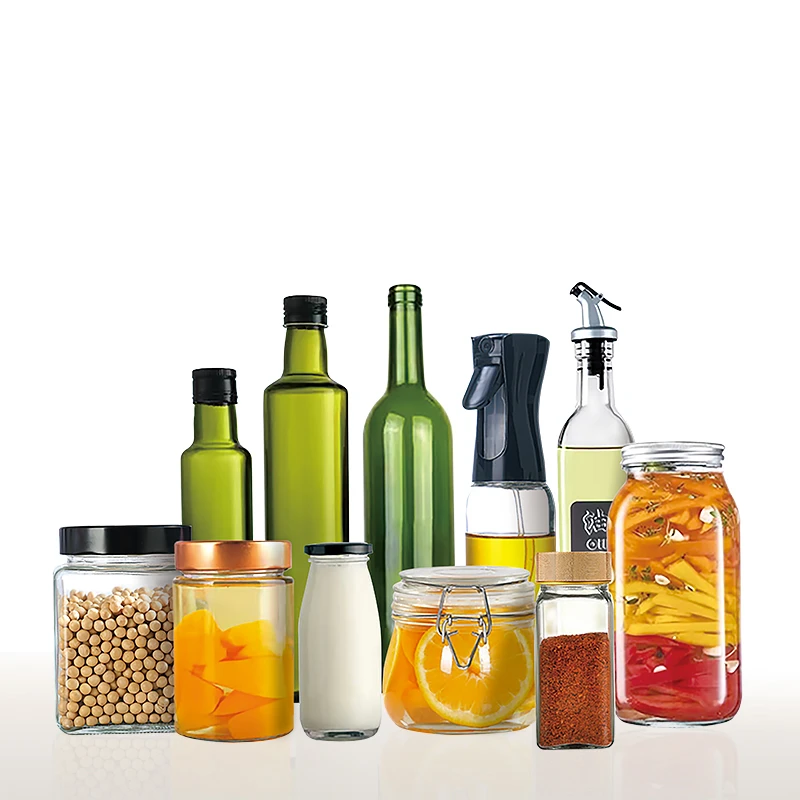
Innovations in Glass Beverage Bottle Closures: From Twist-Off Caps to Crown Seals
Glass beverage bottles have never been more relevant. Premiumization, sustainability mandates, and the resurgence of low- and no-alcohol drinks have pushed brands back toward glass for its inertness, clarity, and recyclability. Yet the unsung hero of performance and consumer experience is the closure. A bottle is only as good as the seal that keeps carbonation in, oxygen out, flavor locked, and tampering evident.
Over the last decade, closures for glass bottles have evolved dramatically—materials, liner chemistries, geometry, and application technology have all advanced to support modern filling lines, new product formats, and circular-economy targets.
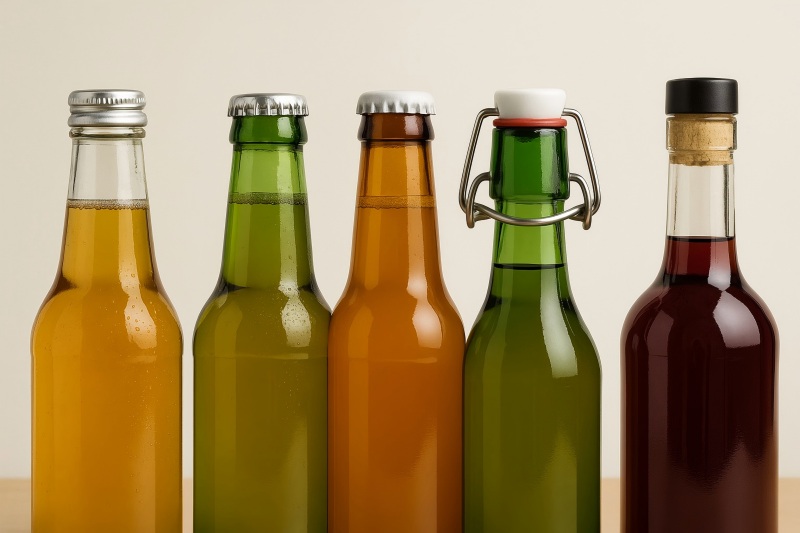
Why Closures Matter
A closure must accomplish several jobs simultaneously:
- Barrier & freshness: Limit oxygen ingress (O₂), control CO₂ egress for carbonated beverages, and retain vacuum for hot-fill juices or sauces.
- Mechanical performance: Apply and maintain compression against the finish; resist creep and relaxation over shelf life; survive distribution shocks and temperature swings.
- Process compatibility: Seamlessly integrate with hot-fill, tunnel pasteurization, flash pasteurization, cold-fill, or retort regimes without deforming or delaminating.
- Consumer experience: Deliver easy opening, comfortable resealability, audible/visual tamper evidence, and sometimes ritual (e.g., pry-off crowns for beer).
- Sustainability: Enable mono-material recycling streams, reduce weight, avoid legacy substances of concern, and support refillables.
As product portfolios diversify (RTD cocktails, functional sodas, cold-brew coffee, kombucha, premium juices), one size no longer fits all. Closure innovation is how brands tailor performance to each beverage’s chemistry and route to market.
The Major Closure Families for Glass Bottles
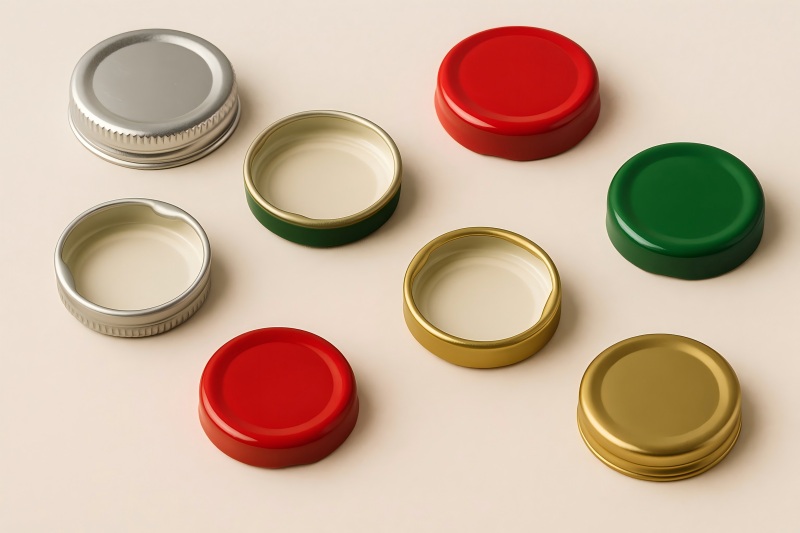
Twist-off lug Caps (ROPP-style and lug variants)
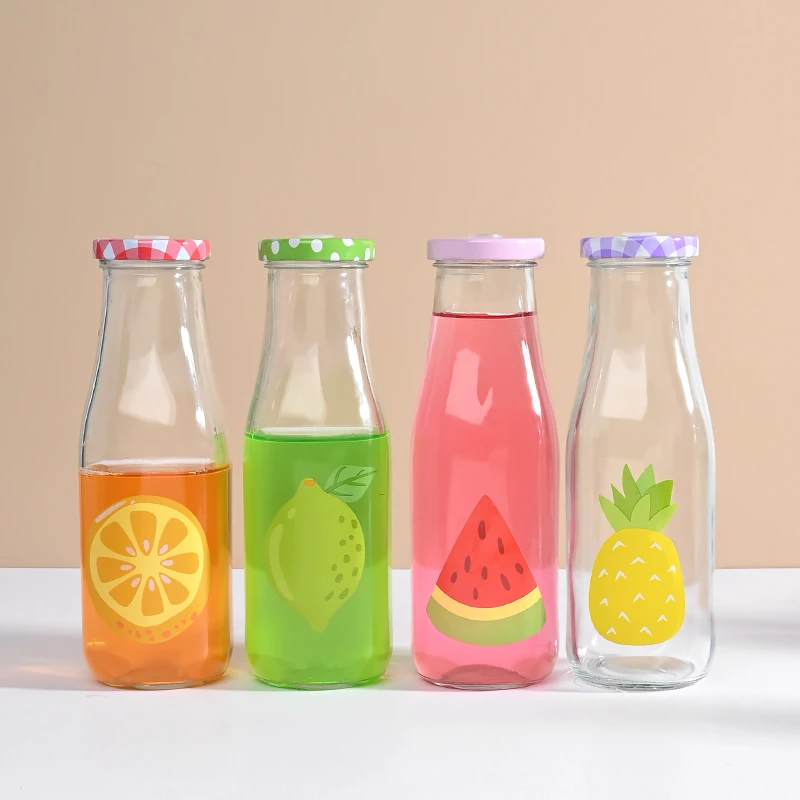
Common on juices, sauces, ready-to-drink teas, and some specialty beverages, twist-off caps use threads or lugs that engage a matched glass finish. A compressible liner forms the seal against the land area. Advancements include PVC-free liners, improved oxygen barriers, and coatings that survive hot-fill and pasteurization without sticking.
Key benefits:
- Resealable and consumer-friendly.
- Compatible with vacuum panels on hot-filled products (the “button” pop on first opening).
- Large printable surface for branding.
Considerations:
For high carbonation (2.5–4.5 vol CO₂ typical of many beers), special liner formulations and finish designs are required; many twist-offs are optimized for still or lightly carbonated beverages.
Correct application torque and vacuum level are critical to avoid microleaks.
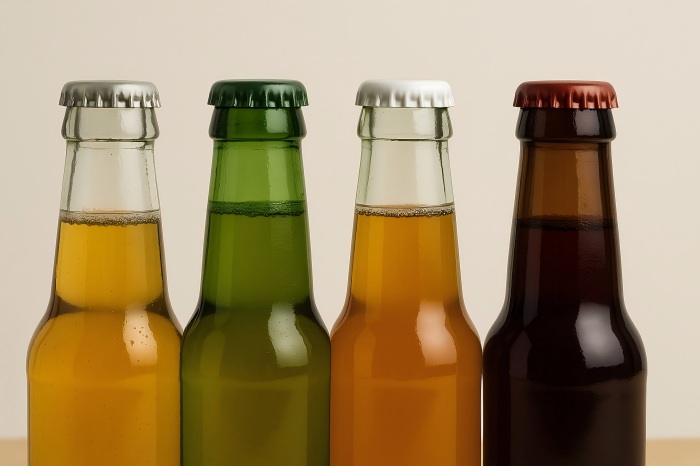
Pry-off Crown Seals (crimped metal crowns)
The icon of global beer packaging, crown seals (21- or 26-mm) crimp over a bead on the finish. Historically cork or PVC liners were common; modern versions use PVC-free thermoplastic elastomers or EVA compounds that deliver precise compression set and low O₂ ingress.
Key benefits:
- Excellent carbonation retention; robust under cold-chain excursions and tunnel pasteurization.
- Strong tamper evidence (requires an opener; deforms on removal).
- High-speed application (60,000+ bph on large lines is commonplace).
Considerations:
- Not resealable (unless you add an aftermarket cap).
- Consumer convenience is lower versus twist-off crowns (see next).
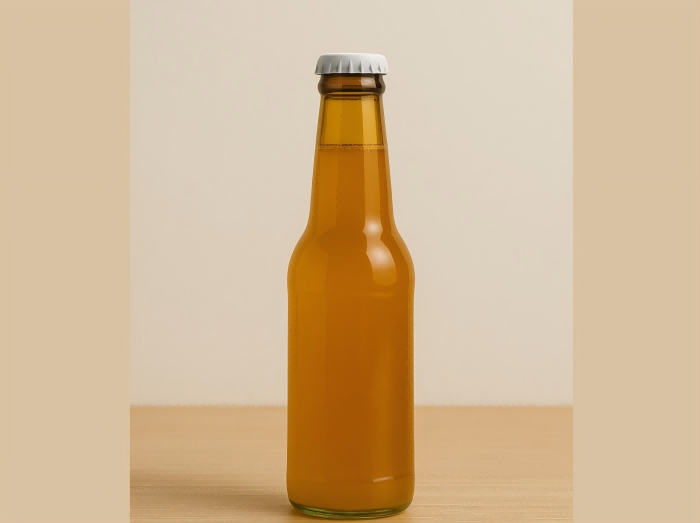
Twist-off Crown Caps
A hybrid: looks like a crown, opens by hand thanks to shallow knurls and modified glass finishes. Popular with mainstream lagers and RTDs seeking beer-like cues plus convenience.
Key benefits:
- Resealability for short-term use (not gas-tight over long durations).
- Familiar aesthetics; strong brand equity.
Considerations:
- Application windows (torque/pressure) are narrower; finish and cap must be precisely matched.
- Barrier typically slightly lower than pry-off crowns due to geometry and consumer-friendly design.
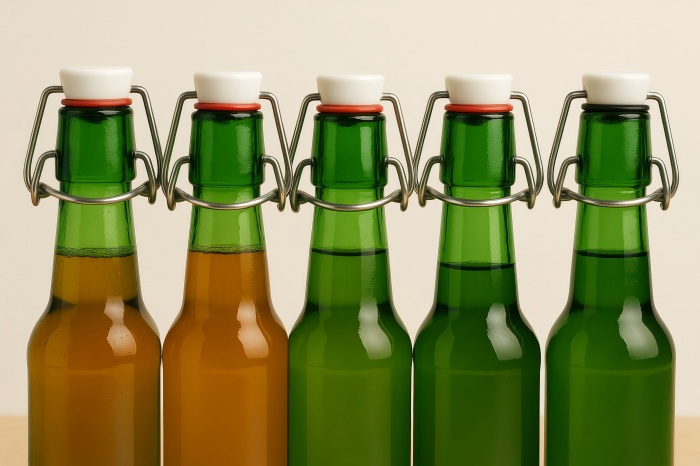
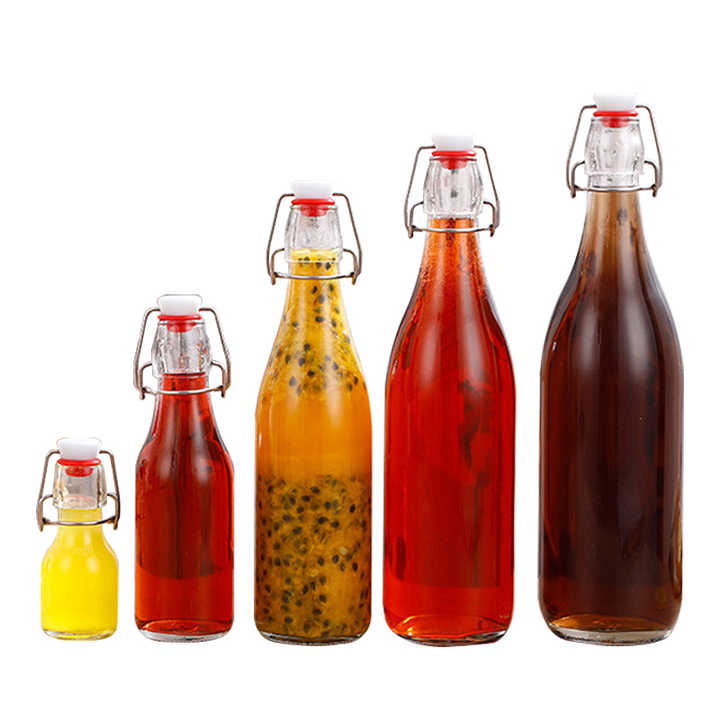
Swing-top (Grolsch-style) Stoppers
A ceramic or plastic head with an elastomer gasket mounted on a wire bail. Used for premium beers, kombucha, and artisanal sodas.
Key benefits:
- Distinctive look; ritualistic opening; fully resealable and robust for repeated cycles (ideal for refillables).
- Good CO₂ retention when components are in spec.
Considerations:
- Higher component cost; slower filling speeds; more complex washing for refill systems.
- Gasket maintenance matters—aging or nicked gaskets compromise barrier.
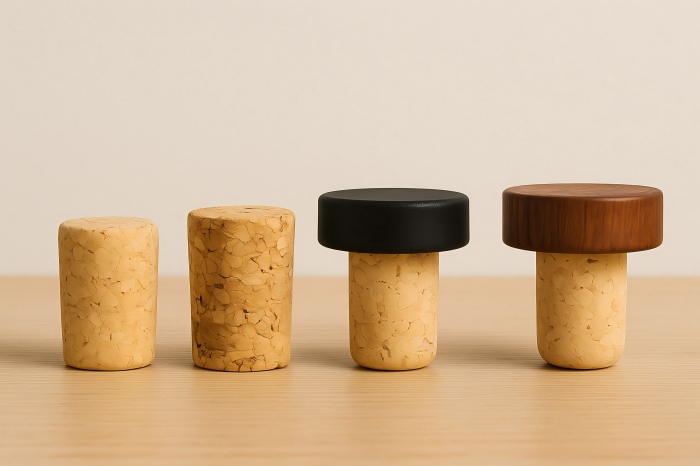
Natural and Technical Corks (and T-stoppers) for Premium Beverages
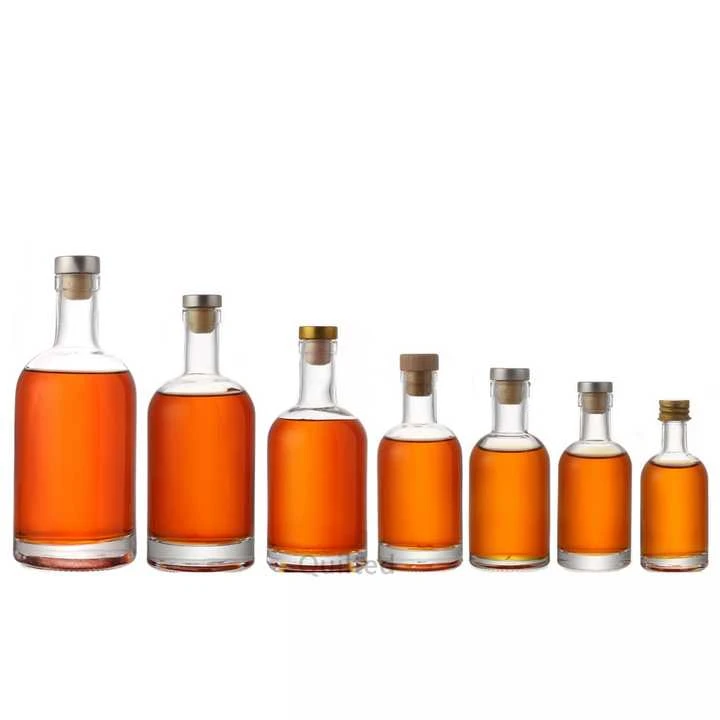
Think sparkling water, craft sodas in heritage formats, and of course wine and fortified drinks. For carbonated or pressure-bearing applications, corks often pair with a wirehood.
Key benefits:
- Premium tactile and auditory cues; tradition and sustainability narratives.
- Technical corks offer controlled OTR (oxygen transmission rate) profiles.
Considerations:
- In beverages other than wine, cork is niche; moisture management and sealing geometry must be carefully designed.
- Resealability and sanitation require attention outside wine’s established playbook.
Liner and Coating Technologies
The most impactful innovations often live inside the cap:
- PVC-free liners: Modern EVA, TPE, and PE-based liners deliver compression set stability, low scalping, and improved taste neutrality while eliminating legacy PVC plasticizers.
- Oxygen-scavenging liners: Incorporate active agents that bind or consume oxygen inside the headspace, extending shelf life for oxygen-sensitive beverages (cold-brew coffee, hop-forward beers, vitamin-enriched juices).
- Dual-durometer constructions: Softer sealing layers backed by firmer carriers maintain compression under temperature and pressure cycling.
- Heat- and alkali-resistant coatings: Crown shells and lug caps now use robust interior varnishes to withstand tunnel pasteurization (60–75 °C) or caustic wash in refill loops without corrosion or liner adhesion failures.
- Low-taint compounds: Formulations engineered to reduce aroma absorption and leaching—critical for delicate botanicals, teas, and flavored waters.
Application Engineering
A perfect closure on a lab bench can still fail on the line. Modern fillers and cappers focus on repeatability and data.
Finish design & tolerances: The glass land (sealing surface), thread or bead geometry, and dimensional tolerances drive seal quality. Lightweighting pushes tighter control; finish-gauging cameras are common.
Application torque and head pressure: For twist-offs, over-torque risks consumer difficulty and liner cold flow; under-torque increases O₂ ingress and leaks. For crowns, crimp height, knurl formation, and skirt curl must fall within spec to compress the liner uniformly.
Thermal regime alignment: Hot-fill or tunnel pasteurization introduces vacuum/pressure swings. Liners must maintain compression while caps resist “paneling” or buckling.
CO₂ volumes and retention: Beer ranges typically from ~2.2–2.8 vol CO₂; some ciders/sparkling sodas are higher. Closure/liner choices and capper setup must reflect the carbonation target and distribution temperatures.
Line monitoring best practices
- Inline torque measurement (application & removal torque trends).
- Vacuum/pressure verification immediately downstream of the capper.
- Frequency-set destructive tests (tilt, burst, leak, dye ingress).
- Vision inspection of crowns (skirt height/roundness) and lug alignment.
- SPC dashboards linking cap lots, glass lots, and filler parameters to complaints and returns.
Consumer-centric Innovations
Easier opening with tamper evidence
- Bridged band designs on twist-offs now break cleanly with lower opening torque without compromising shelf security.
- Audible cues (“pop” indicators) reinforce freshness for hot-filled juices.
- Textured knurls & grip features improve ergonomics for wet-hand environments (bars, cafés).
Reclosability and on-the-go
- Gas-retentive reseals for lightly carbonated drinks: specialized liners maintain short-term CO₂ after first opening.
- Secondary accessories: snap-on pourers or flow restrictors integrated under caps for mixers and premium sodas.
- Micro-venting geometries that mitigate geysering on pressure differential without perceptible flatness.
Aesthetics & branding
- Color-matched shells (crown lacquers, anodized looks on aluminum shell caps).
- Embossed logos or debossed knurls that survive ice-bucket abrasion.
- Matte and soft-touch finishes to align with premium glass and label textures.
Sustainability: Closing The Loop on Closures
Glass’s recyclability is a major driver, but closures must keep pace:
- Material reduction: Thinner shells and optimized knurl patterns reduce metal mass without sacrificing crimp strength or torque stability.
- BPA-NI, PVC-free liners: Now widespread to meet global directives and retailer lists.
- Monomaterial thinking: Designs that facilitate easy separation in MRFs (materials recovery facilities). Steel and tinplate crowns are already highly recoverable via magnets; aluminum shells are valuable in eddy-current streams.
- Refillable systems: Swing-tops and robust crowns designed for multiple trips withstand caustic washes and mechanical handling. Liners with low compression set support 15–25+ cycles depending on spec.
- Recycled content: Increasing percentages of recycled steel/aluminum in cap shells; verification with LCA reporting to support brand ESG claims.
Matching Closures to Beverages
Still juices, teas, functional waters (hot- or cold-fill):
- Primary choice: Twist-off lug cap with PVC-free liner tuned for vacuum and low O₂ ingress.
- Priorities: Button pop, easy opening, repeatable vacuum; oxygen scavengers for sensitive vitamins/polyphenols.
Highly carbonated sodas and classic beers:
- Primary choice: Pry-off or twist-off crown with high CO₂ retention liner.
- Priorities: Crimp integrity, thermal robustness for tunnel pasteurization, shell lacquer corrosion resistance.
Craft beers, kombucha, premium artisanal sodas:
- Primary choice: Pry-off crown for tradition or swing-top for ritual and resealability.
- Priorities: OTR control to preserve hop volatiles; gasket quality for swing-tops; clarity on consumer expectations (opener required vs hand-open).
RTD cocktails and sparkling mixers:
- Primary choice: Crown or reinforced twist-off with gas-retentive liner; consider tamper-evident and authentication features.
- Priorities: Alcohol/acid compatibility, barrier to aroma scalping, premium finishes.
Comparison at A Glance
| Closure Type | Typical Beverages | Main Strengths | Watch-outs | Resealability |
| Twist-off Lug Cap | Juices, teas, still beverages | Easy open, vacuum button, branding area | Not ideal for high CO₂ unless specified; torque sensitivity | Yes |
| Pry-off Crown | Beer, high-CO₂ sodas | Best carbonation retention, high speed, strong TE | Needs opener; not resealable | No |
| Twist-off Crown | Beer, RTDs | Convenience; familiar aesthetics | Slightly narrower application window; modestly lower barrier vs pry-off | Limited (short-term) |
| Swing-Top | Craft beer, kombucha, specialty sodas | Premium look; fully resealable; refill friendly | Cost, slower runs, gasket maintenance | Yes (excellent) |
| Cork / T-Stopper | Wine, niche premium beverages | Ritual, premium cues, controlled OTR | Niche for non-wine; moisture management | Partial |
Practical Advice for Brand Owners and Engineers
Start with the beverage’s chemistry and route to market. Carbonation level, pH, alcohol %, and thermal process narrow your feasible closure set far more than aesthetics do.
Specify the liner first. Once barrier and compression performance are right, shell and decoration choices come easier.
Pilot with real glass, real speeds. Bench crimpers and torque testers are essential, but only the production capper reveals removal-torque drift, liner set, and microleaks under vibration.
Instrument your line. Couple torque data, vacuum/pressure logs, and vision inspection to cap lot numbers and glass lots to pinpoint issues quickly.
Design in recyclability. Choose PVC-free, BPA-NI liners; consider shell materials that fit your target recycling stream; document LCA gains for marketing and retailer acceptance.
Plan post-open behavior. If consumers need a day or two of fizz after opening, design for short-term reseal—test with real usage patterns.
Don’t overlook ergonomics. Grip textures, edge radii, and opening torque dramatically affect perceived quality, especially for on-premise and outdoor use.