The Best Packaging Materials for Olive Oil Bottles: A Comparison
Olive oil is not just a kitchen staple but a symbol of Mediterranean cuisine, valued for its taste and health benefits. Whether used in cooking or as a salad dressing, its quality is key. Equally important is its packaging, which preserves the oil’s taste, aroma, and nutritional value, while enhancing branding and consumer appeal.
Choosing the right packaging material ensures the product’s freshness, impacts brand image, and affects shelf life and sustainability. To assist you in making an informed choice, we will weigh the benefits and drawbacks of various packaging materials, including glass, plastic, tin, and Tetra Pak.
Glass Packaging
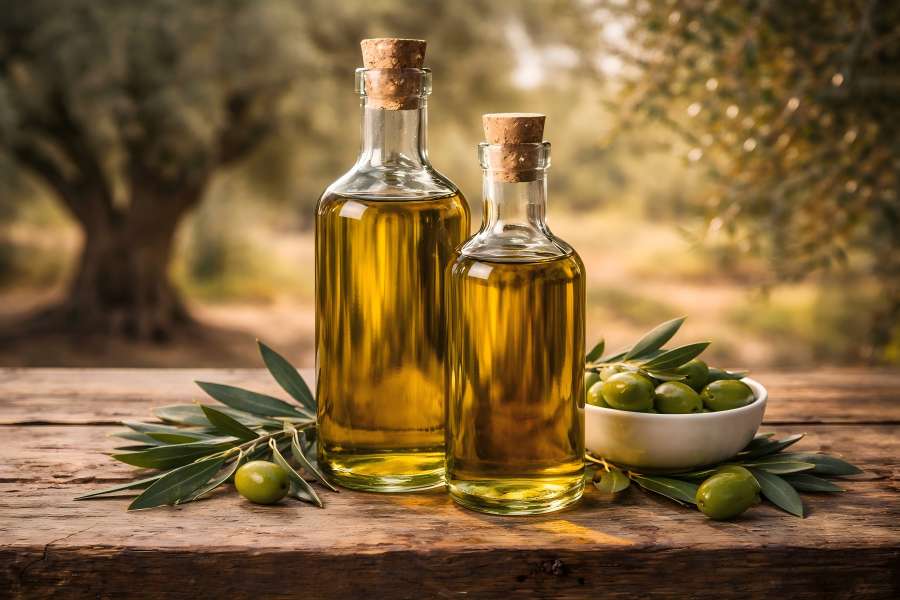
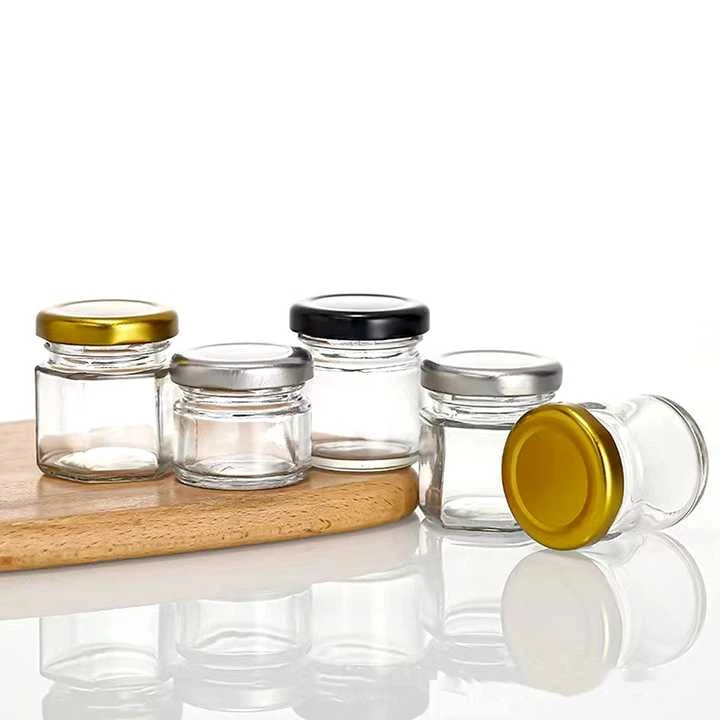
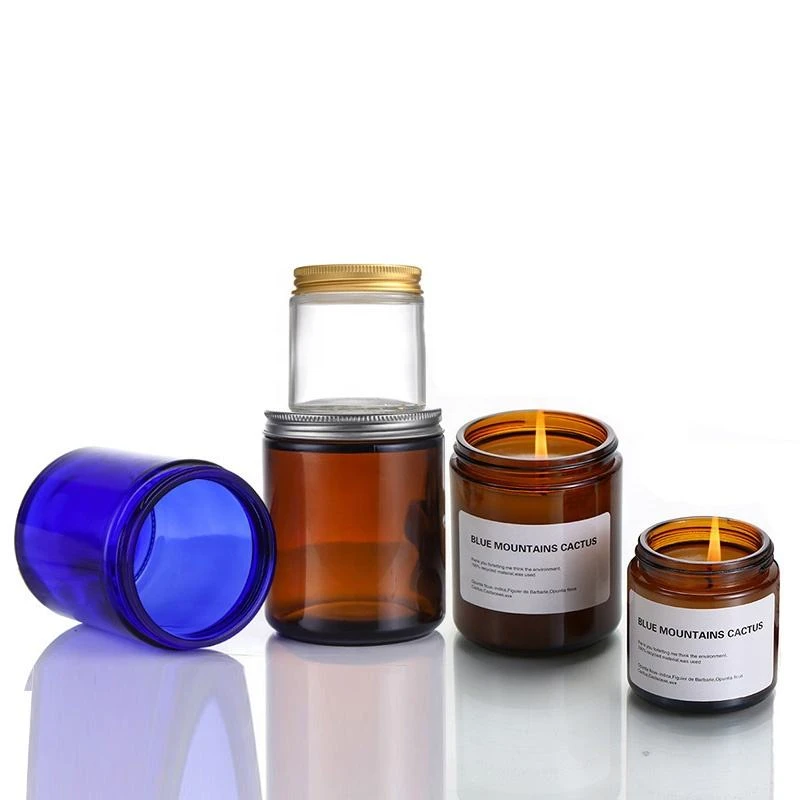
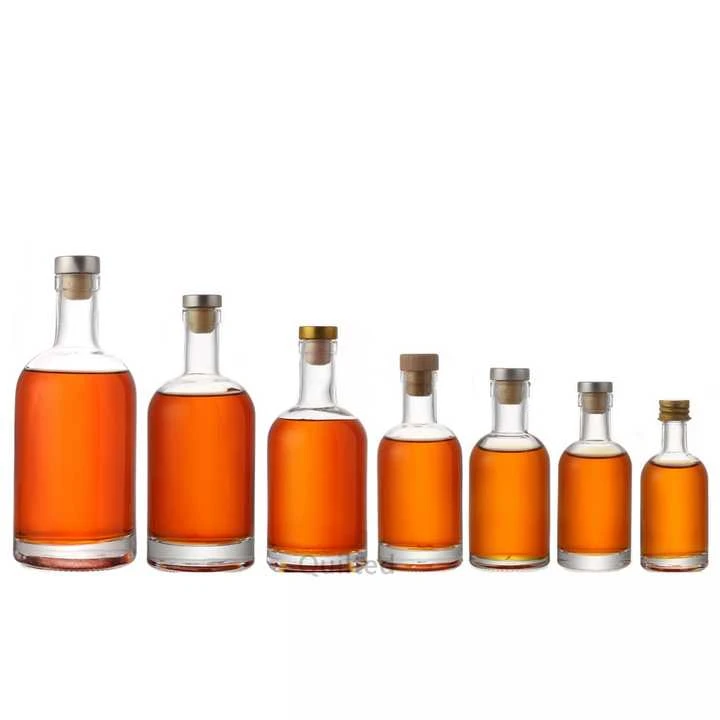
Glass has long been the go-to packaging material for high-end olive oils, especially those marketed as premium or extra virgin. Its popularity stems from its ability to preserve the quality of the oil.Let’s examine the specific advantages and disadvantages.
Benefits:
- Preserves Flavor and Quality: Glass is impermeable, meaning it doesn’t allow oxygen to interact with the olive oil. The oil will retain its flavor and freshness for a longer amount of time because to its preservation quality.
- Eco-friendly: Glass is a more sustainable option than plastic since it can be recycled entirely.Glass bottles are more likely to be selected by customers that value environmentally friendly practices.
- Premium Image: Glass olive oil bottles are frequently connected to superior goods. The sleek and elegant design of glass containers enhances the premium feel of olive oil, appealing to luxury consumers.
Drawbacks:
- Heavier: Glass bottles are heavier than plastic or tin alternatives, which can lead to higher shipping costs, especially when transporting large quantities.
- Fragile: Glass is prone to breakage, which increases the risk of product loss during transportation or when the bottle is dropped.
- Higher Cost: The production cost of glass bottles is higher than that of plastic, making it a less cost-effective option for mass-market products.
Best Use Cases:
Glass packaging is best suited for premium and gourmet olive oils, where the brand is positioned as high-end. It’s an excellent choice for smaller bottles, where the weight and fragility of glass are less of a concern.
Plastic Packaging
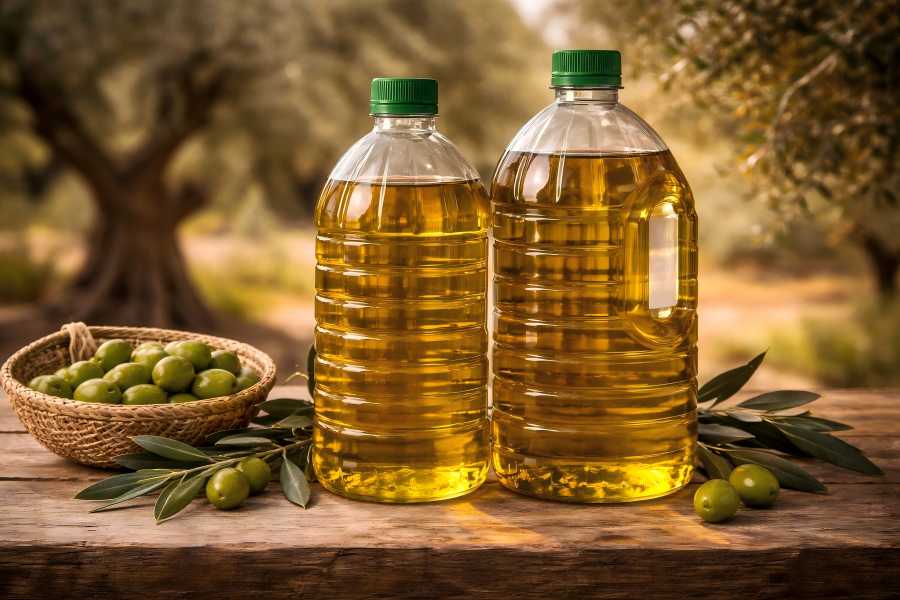
Plastic is a versatile and widely used material for packaging olive oil, particularly for large-volume or mass-market products. It’s affordable, lightweight, and durable. However, its environmental impact and potential for chemical leaching must be considered.
Benefits:
- Sturdy and lightweight: Compared to glass bottles, plastic bottles are less likely to shatter. This makes them ideal for shipping, especially for larger quantities.
- Cost-effective: Plastic bottles are typically cheaper to produce and can reduce transportation costs due to their lightweight nature.
- Recyclability: Many plastic bottles, especially those made from PET (Polyethylene Terephthalate), are recyclable, making them a somewhat eco-friendly option when disposed of properly.
Drawbacks:
- Chemical Leaching: Over time, some plastics may leach chemicals, which can potentially affect the taste and quality of the olive oil. This is a significant concern for olive oils stored over long periods.
- Environmental Impact: Plastic contributes to pollution since it takes hundreds of years for it to break down in landfills. While recyclable, plastic waste is often improperly disposed of, leading to pollution.
- Perceived Lower Quality: Plastic containers are often associated with lower-quality products. For olive oil brands, this could negatively impact the brand image if consumers associate plastic with cheapness.
Best Use Cases:
Plastic is best for bulk packaging and low-cost, mass-market olive oils. It’s commonly used for olive oils sold in supermarkets or other large retail outlets where cost and durability are paramount.
Tin or Metal Cans
Tin or metal cans have gained popularity in recent years for packaging olive oil, especially for bulk purchases. They are very successful at shielding the oil from light, which over time can deteriorate its quality.
Benefits:
- Protection from Light: Metal cans block out all light, which is crucial for preserving the integrity of olive oil. Oxidation brought on by UV light can shorten the oil’s shelf life and quality.
- Long Shelf Life: The ability to keep olive oil sealed and protected from air and light ensures that it maintains its taste and freshness for longer periods.
- Recyclability: Tin cans are an eco-friendly choice because they are readily recyclable.
Drawbacks:
- Limited Customization: Cans don’t offer the same visual appeal and customization options as glass bottles. They are typically less elegant, which can impact the product’s premium feel.
- Higher Cost Than Plastic: While cheaper than glass, metal cans are typically more expensive than plastic bottles.
- Heavier than Plastic: Similar to glass, metal cans weigh more than plastic, which raises the cost of transportation.
Best Use Cases:
Tin cans are ideal for long-lasting olive oil that’s intended for consumers who prioritize freshness. They work well for larger quantities or bulk purchases but may not be ideal for smaller, premium bottles that require a luxurious look.
Tetra Pak and Cartons
Tetra Pak is a packaging material commonly used for beverages but is also an excellent choice for olive oil, especially in larger quantities or for products aimed at the mass market.
Benefits:
- Extended Shelf Life: Tetra Pak offers a high level of protection against air and light, keeping olive oil fresh for longer periods without refrigeration.
- Environmental Benefits: Tetra Pak cartons are made with a significant percentage of renewable materials, and the company is working towards improving recyclability. Compared to plastic bottles, they are typically less harmful to the environment.
- Convenience and Portability: Tetra Pak cartons are lightweight and easy to transport, offering convenience for consumers.
Drawbacks:
- Less Visually Appealing: Tetra Pak and cartons aren’t as visually attractive as glass bottles, which could affect the product’s positioning in the market.
- Not as Premium: For premium olive oil brands, Tetra Pak may not be the best option, as it lacks the upscale image provided by glass or ceramic packaging.
Best Use Cases:
Tetra Pak is ideal for bulk olive oil packages or olive oil used for cooking, especially in larger formats.It’s also an excellent option for consumers who prioritize sustainability and eco-friendliness.
Ceramic Bottles
Ceramic bottles offer a unique, artisanal look and provide excellent protection from light. They can add a high-end feel to any olive oil product, making them a popular choice for niche, luxury brands.
Benefits:
- Unique Aesthetic: Ceramic bottles stand out on the shelf, offering a distinctive, handcrafted appeal that enhances the brand’s premium image.
- Light Protection: Like metal cans, ceramic bottles protect olive oil from harmful light, preserving the quality of the oil.
- Durability: Ceramic bottles are durable and can be used as decorative pieces once the oil has been consumed.
Drawbacks:
- Heavy and Fragile: Ceramic is heavy and can break easily, increasing transportation costs and risk of breakage.
- Expensive: The production cost of ceramic bottles is higher than other packaging options, making them less cost-effective for mass-market products.
Best Use Cases:
Ceramic bottles are best for high-end olive oil brands aiming for a premium, artisanal image. They’re ideal for small-batch, luxury products that emphasize design and exclusivity.
Innovative Eco-Friendly Materials
Many olive oil companies are investigating environmentally friendly packaging materials, like plant-based or biodegradable polymers, in response to the growing trend of sustainability. Customers searching for more environmentally friendly packaging options now have an option thanks to these materials.
For instance:
- Biodegradable Plastics: Compared to conventional plastic, biodegradable materials decompose more quickly in the environment since they are made from renewable resources like cornstarch.
- Plant-Based Materials: Some olive oil bottles are made from hemp or other plant-based materials, offering a more eco-conscious alternative.
Benefits:
- Eco-friendly and sustainable: These materials lessen packaging’s negative effects on the environment, which is in line with customers’ concerns about the environment.
- Innovation Appeal: Using cutting-edge materials can enhance a brand’s image, particularly among younger consumers who value sustainability.
Drawbacks:
- Availability and Cost: These materials are still emerging in the market, and their production costs can be higher than traditional packaging options.
- Limited Options: The variety of available designs and sizes for eco-friendly materials is still limited.
Best Use Cases:
Eco-friendly packaging materials are best suited for brands with a strong environmental message or those looking to tap into the growing market of eco-conscious consumers.
Comparison Table
| Packaging Material | Benefits | Drawbacks | Best Use Cases |
| Glass | Preserves flavor, eco-friendly, premium look | Heavy, fragile, expensive | Premium brands, small bottles |
| Plastic | Lightweight, cost-effective, durable | Chemical leaching, environmental impact | Mass-market, bulk packaging |
| Tin/Metal Cans | Protects from light, recyclable | Limited customization, heavier | Bulk purchases, long shelf life |
| Tetra Pak | Extended shelf life, eco-friendly | Less premium, less visually appealing | Bulk, eco-conscious consumers |
| Ceramic | Unique aesthetic, protects from light | Expensive, heavy, fragile | Luxury, niche products |
| Eco-friendly | Sustainable, innovative | High cost, limited options | Green brands, eco-conscious consumers |
Factors to Consider When Choosing Olive Oil Packaging
When deciding on the packaging for olive oil, several factors need to be taken into consideration:
- Shelf Life: Packaging should protect the oil from light and oxygen to ensure it maintains freshness.
- Transportation: Heavier packaging can lead to higher shipping costs, so lightweight materials like plastic or Tetra Pak may be preferred for bulk shipments.
- Branding and Image: The packaging must align with the brand’s positioning—premium brands will benefit from glass or ceramic, while bulk brands may choose plastic or tin.
- Environmental Impact: With growing consumer demand for sustainability, eco-friendly packaging options should be considered to appeal to green consumers.