The Ultimate Guide to Glass Sauce Bottles for Food Brands
Your sauce bottle does more than just hold your product. It protects your recipe, presents your brand to customers, and can even decide if someone grabs your sauce off the shelf.
Glass bottles give you the best mix of food safety, visual appeal, and product protection if you want to compete in today’s market. These containers keep flavors pure, extend shelf life, and give your brand a premium look that plastic just can’t match.
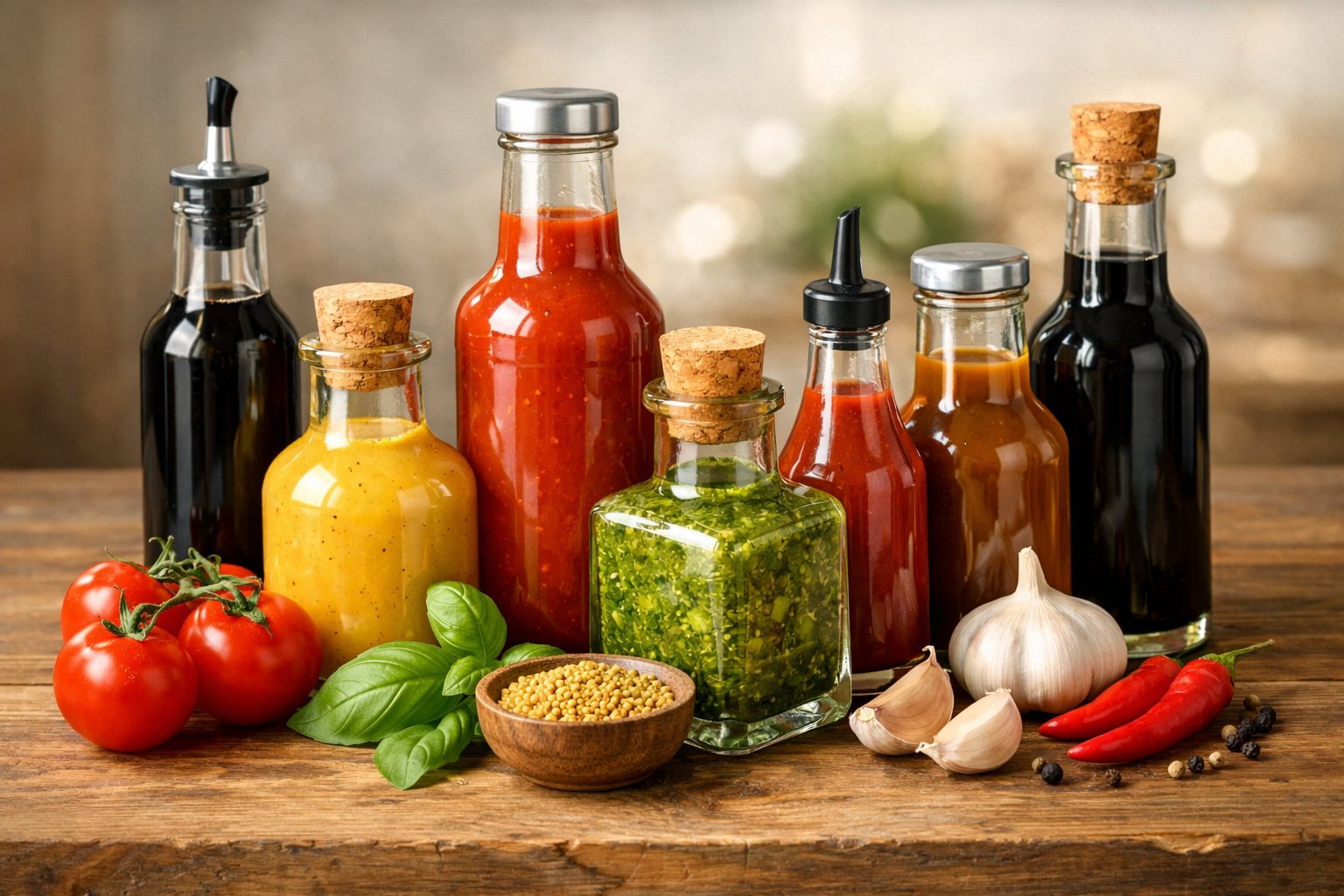
Choosing the right glass bottle means understanding bottle types, closure systems, and design elements that fit your specific sauce. Hot sauces need different features than thick barbecue sauces.
Your bottle choice affects everything from production costs to how customers use your product at home. Pick the wrong bottle and you risk leaks, spoilage, or a brand image that just doesn’t match your quality.
This guide will walk you through the practical decisions you’ll face with glass sauce bottles. You’ll get the basics on bottle shapes and sizes, sealing methods, and design strategies that help your brand stand out.
Whether you’re launching your first sauce or expanding a product line, these insights should help you select packaging that protects your product and builds your brand. Let’s dive in.
Key Takeaways
- Glass bottles preserve sauce quality better than other materials while providing a premium brand appearance
- Different sauce types require specific bottle shapes, sizes, and closure systems for optimal performance
- Smart packaging choices balance product protection, visual design, sustainability goals, and operational costs
Why Choose Glass Sauce Bottles for Food Brands?
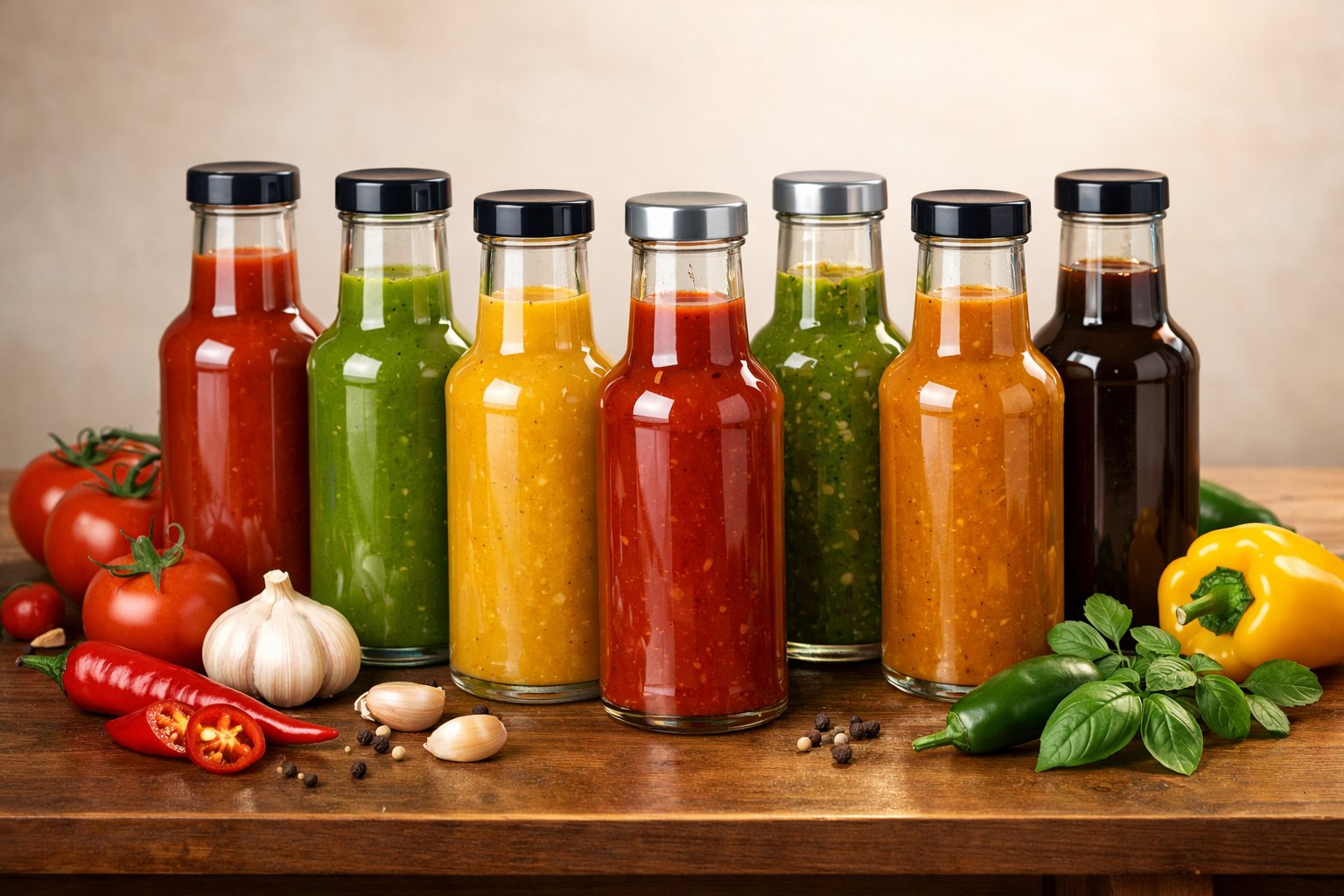
Glass sauce bottles deliver superior safety, preservation, and brand value compared to plastic. These benefits shape your product’s quality, shelf life, and market positioning.
Benefits of Glass Over Plastic for Sauce Packaging
Glass bottles don’t contain BPA or phthalates that might leach into your products. Your sauces keep their original flavor because glass doesn’t react with acidic ingredients like vinegar or citrus.
Glass stands up to hot filling at temperatures up to 100°C and sterilization at 121°C. This means you can extend shelf life naturally, no extra preservatives needed. Plastic bottles just can’t handle those temps safely.
Glass is 100% recyclable and doesn’t lose quality in the process. You can recycle your bottles over and over, which helps the environment and meets consumer demand for sustainable packaging. Meanwhile, the global plastic recycling rate is only about 9%.
Glass sauce bottles show off your product’s color and texture. Customers see exactly what they’re buying, which builds trust and makes your sauce look top-notch.
Impact on Shelf Life and Product Integrity
Glass blocks oxygen and moisture really well. Those barriers stop oxidation and contamination, so your sauce stays fresher, longer.
The airtight seals possible with glass bottles maintain product integrity during storage and transport. Flavors don’t fade and ingredients don’t separate as quickly as in plastic.
When you process sauces at high temperatures in glass, you kill off more bacteria. That means longer shelf life without giving up on safety or taste.
Consumer Perception and Brand Positioning
Glass sauce bottles instantly signal premium quality to customers. People see glass and think artisanal, high-end, and worth a few extra bucks.
Sauce brands using glass tap into growing consumer awareness around health and sustainability. Choosing glass shows you care about product purity and the planet.
The visual appeal of glass creates a stronger shelf presence. The clarity and weight of glass bottles help your products stand out against plastic competitors, which can drive those all-important purchase decisions.
Types, Shapes, and Capacities of Glass Sauce Bottles
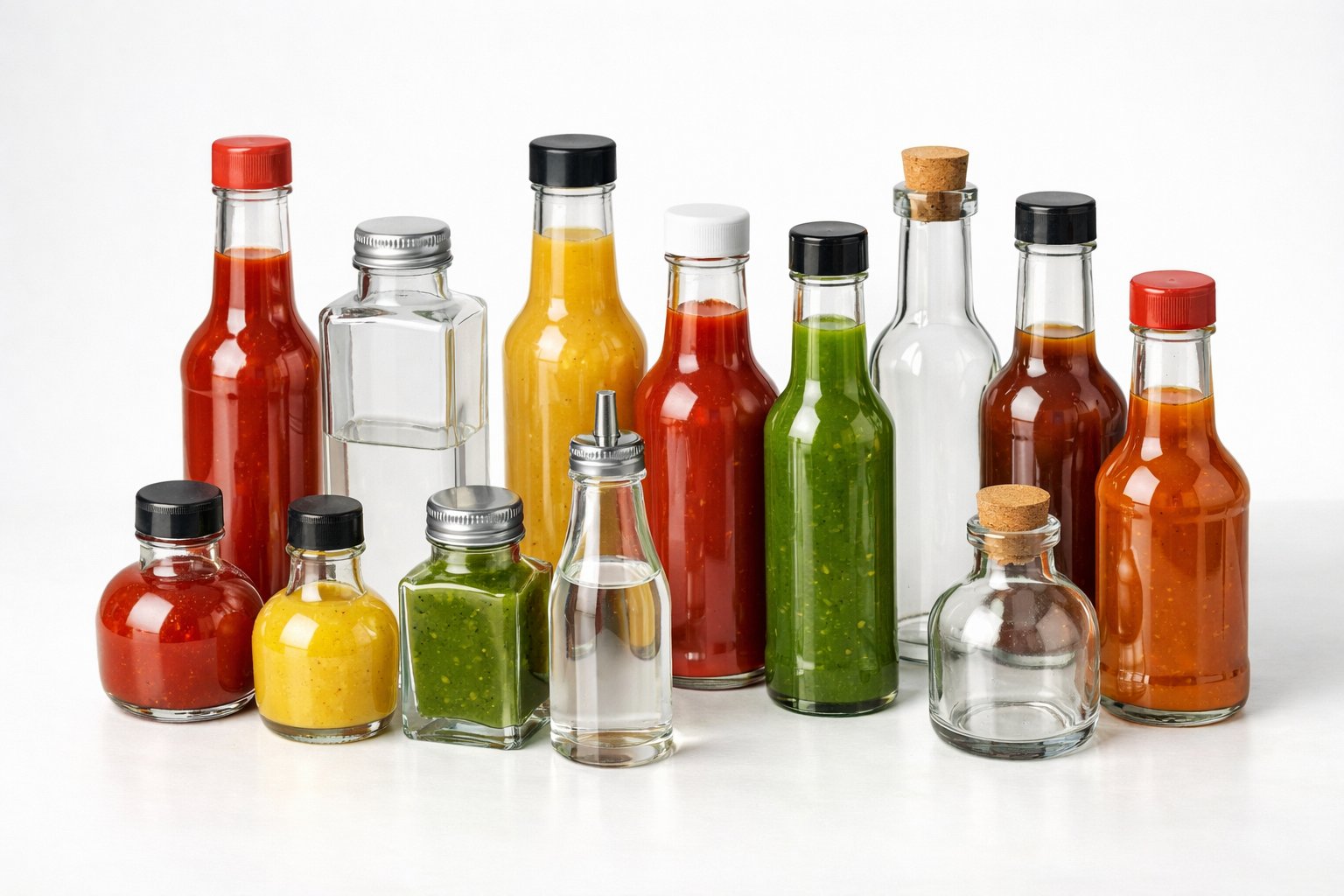
Glass sauce bottles come in all sorts of shapes and sizes, each designed for different sauce types and serving methods. The right mix of bottle shape, volume, and closure type impacts product preservation and how your customers use your sauce.
Popular Glass Sauce Bottle Shapes and Their Applications
Round bottles are the classic choice for sauce containers. They’re easy to grip and work for both thick and thin sauces. You’ll find them in sizes from 2 ounces to 16 ounces.
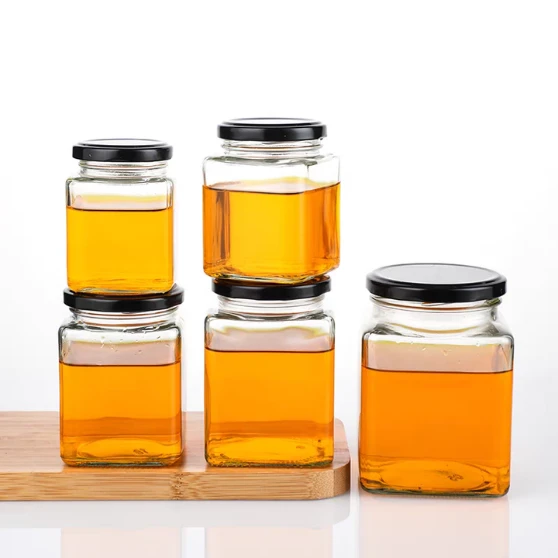
Square glass bottles store efficiently because they line up neatly on shelves and in shipping boxes. Many premium brands go for square bottles to stand out from the usual round options.
Tall cylindrical bottles are great for thinner sauces like vinaigrettes. The narrow design helps control the pour. Wide-mouth jars suit thicker products like BBQ sauce or ketchup—anything you might want to spoon out.
Flask-style bottles give a modern look for craft hot sauces. Flat sides mean more space for your label, and the tapered neck keeps pouring under control.
Volume and Headspace Considerations
Standard sauce bottle sizes include 2 oz, 5 oz, 8 oz, 12 oz, and 16 oz. Smaller bottles (2-5 oz) are perfect for hot sauces and premium lines. Larger volumes (12-16 oz) work better for table sauces and dressings.
Headspace is the gap between your sauce and the cap. You need enough headspace for safe processing and to avoid pressure buildup—usually 1/4 to 1/2 inch for hot-fill processes.
Too much headspace? Your product might oxidize. Too little, and you could get leaks when temperatures change. Your filling equipment and processing method will determine what’s just right.
| Bottle Size | Typical Headspace | Best For |
|---|---|---|
| 2-5 oz | 1/4 inch | Hot sauces, specialty sauces |
| 8-12 oz | 3/8 inch | Table sauces, marinades |
| 16 oz | 1/2 inch | Family-size portions |
Overview of Hot Sauce Bottles and Woozy Bottles
Woozy bottles are pretty much the standard for hot sauce packaging. They’re tall, narrow, and usually hold 5 ounces with a tapered neck for controlled dispensing.
Most woozy bottles stand about 7 inches tall and have a 24mm neck finish, which fits standard orifice reducers and caps. The long neck keeps hands away from the hot sauce while pouring.
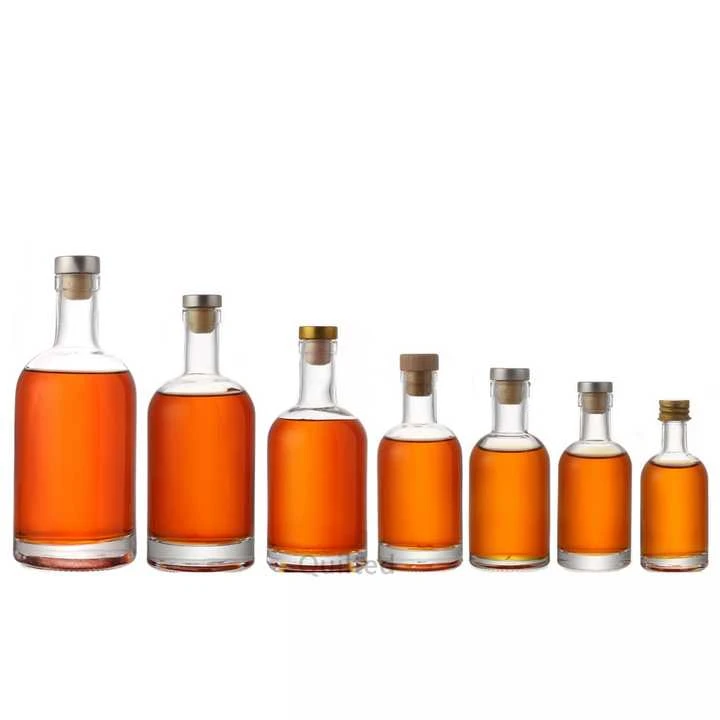
Other hot sauce bottles include dasher bottles with shaker tops for thinner sauces. Some brands go vintage with cork tops for a more premium vibe.
The narrow opening in hot sauce bottles stops people from accidentally dumping too much. Let’s be honest, no one wants to drown their food in hot sauce by mistake.
Specialty Options: Square, Flask, and Custom Sauce Containers
Square sauce bottles look premium and are practical, too. Flat panels give you more label visibility, and they stack well in storage and shipping.
Flask-shaped bottles catch the eye for craft brands. Their unique silhouette helps your product stand out in a crowded aisle. You’ll usually find these between 5 and 12 ounces.
Custom sauce containers let you build brand recognition with unique packaging. You can tweak neck lengths, add embossing, or go for a totally custom mold. Just know, custom options usually mean higher minimum orders—think 10,000 units or more.
Specialty shapes work best when they fit your sauce. Thick BBQ sauce? Go wide-shouldered. Hot sauce or dressing? Slim profiles work better.
Material Science and Closure Systems for Glass Sauce Bottles
The glass you pick and the closure system you use both play big roles in product safety, shelf life, and how happy your customers are. If you understand these pieces, you can make smarter decisions that protect your sauce and meet food safety standards.
Understanding Soda-Lime Glass and Other Materials
Soda-lime glass makes up about 90% of all glass packaging in the food world. It’s made from silica, sodium oxide, and calcium oxide, which keeps it strong and affordable for sauce bottles.
This glass offers great clarity, so your product shines through. It doesn’t react with acids, bases, or oils—so your sauce keeps its flavor and stays uncontaminated.
Soda-lime glass can handle hot-fill processes up to 185°F. That’s important for bottling hot sauces, pasta sauces, or anything that needs thermal processing. The glass keeps its strength and won’t crack under regular filling conditions.
Other glass types, like borosilicate, can take more extreme temps but usually aren’t needed for sauces. They also cost more. For most brands, soda-lime glass is the practical choice.
Selecting the Right Cap: Lug Caps and Closures
Lug caps twist onto matching lugs on the bottle neck for a tight seal. You’ll see them in sizes like 38mm, 48mm, 58mm, 63mm, and 70mm, depending on your bottle opening.
The cap liner is what actually seals the bottle. Plastisol liners are great for hot-fill applications like pasta sauces and salsas. They soften at 140°F and form an airtight seal as they cool. That satisfying pop when you first open the bottle? That’s freshness.
F217 foam liners stop leaks but don’t make a hermetic seal. They’re good for refrigerated sauces or anything with a shorter shelf life. They’re also taste- and odor-resistant, and they cost less.
Induction liners need special sealing equipment but give you tamper-evident protection. The foil bonds to the bottle rim using electromagnetic induction, and once you pull it off, you can’t just stick it back on.
| Liner Type | Best For | Seal Type |
|---|---|---|
| Plastisol | Hot-fill sauces, canning | Airtight, tamper-evident |
| F217 Foam | Refrigerated products | Leak prevention |
| Induction | Premium products | Hermetic, tamper-evident |
Barrier Properties and Shelf Stability
Glass packaging blocks oxygen, moisture, and light when you pair it with the right closure. This keeps your sauce fresher, longer—no extra preservatives needed.
The glass itself stops 100% of oxygen from getting through. Your closure choice really decides if you keep this protection.
Plastisol-lined lug caps create a tight seal that keeps air out after you fill the bottle. This makes a big difference for sauces with oils or ingredients that oxidize fast.
Amber or dark glass protects light-sensitive ingredients like herbs. Clear glass works well for sauces that look good and don’t mind the light.
If you seal your sauce right and store it well, glass bottles usually give you 12-24 months of shelf life. That’s assuming your pH is safe and you follow proper hot-fill steps.
For refrigerated sauces in glass with foam liners, expect more like 6-12 months.
Ensuring Food Safety Certification and Compliance
Your glass bottles need to meet FDA rules for food contact. Soda-lime glass counts as Generally Recognized as Safe (GRAS) for direct food use.
Always check that your supplier sells food-grade glass. Ask for proof that they comply with FDA Title 21 CFR Part 177, which covers glass for food packaging.
Cap liners need their own certification. Food-safe liners can’t transfer smells, flavors, or chemicals into your sauce.
Suppliers should show you migration test results and compliance certificates. This isn’t just paperwork—it’s about protecting your product.
Work with suppliers who follow Good Manufacturing Practices (GMP). That helps you keep quality up and makes your food safety audits a lot easier.
Test your filled bottles under real storage conditions to check the seals and shelf life. Many co-packers and bottlers can help you do this before you go into full production.
Strategic Packaging for Food Brands: Design, Sustainability, and Logistics
Picking glass sauce bottles means thinking about more than just looks. You’ll weigh environmental impact, how customers see your brand, and how the packaging fits into your operations.
Leveraging Sustainable and Circular Economy Packaging
Glass can be recycled endlessly without losing quality. If your brand cares about the environment, that’s a big plus.
Every time you recycle glass, it stays pure. That puts your brand right in the circular economy conversation—assuming you communicate it well.
Key sustainability advantages of glass packaging:
- 100% recyclable – Glass goes back into production without losing strength
- Chemical-free – No toxins leach into your sauce
- Energy recovery – Recycling glass cuts manufacturing energy by about 30%
- Consumer trust – Most shoppers prefer recyclable packaging
Let your labels tell this story. Add recycling symbols and a quick note about glass reusability. Eco-conscious shoppers notice these details and often check before they buy.
If you want to go full circle, design bottles for reuse. Maybe you offer a deposit program or share creative ways customers can repurpose bottles. Some brands even work with local recyclers to follow the journey of their glass after use.
Enhancing the Unboxing Experience and Brand Identity
The unboxing starts the moment a customer picks up your product. Glass bottles just feel better—heavier, clearer, and with that satisfying sound when you set them down.
Bottle shape and label design help tell your brand’s story. Custom embossing, unique silhouettes, or textured glass all create memorable moments. These details help you stand out on a crowded shelf.
Design elements that strengthen brand identity:
- Custom shapes that match your brand’s vibe
- Embossed logos or patterns right on the glass
- Premium closures like cork, wood, or metal lids
- Transparent glass to show off your sauce’s color and texture
Keep your product line visually consistent. Using similar shapes or label styles makes it easier for customers to spot your brand, even from across the aisle.
Operational and Supply Chain Considerations
Glass bottles shake up your supply chain, no way around it. They’re heavier, so shipping costs more, and you need sturdier packaging to prevent breakage.
Supply chain factors to evaluate:
| Factor | Impact | Solution |
|---|---|---|
| Weight | Higher shipping costs | Use thinner bottles, focus on local distribution |
| Breakage | Product loss, safety risks | Better cushioning, smart stacking |
| Storage | Needs more space | Try vertical storage or just-in-time inventory |
| Lead times | Longer schedules | Order early, build strong supplier relationships |
You need suppliers who deliver on time and keep quality high. Get to know your manufacturers—they should get food safety and be able to grow with you. Always ask for samples before you go big.
Glass stands up to pasteurization and sterilization, which is great for shelf life. That toughness means less waste and safer sauces, especially compared to materials that can’t handle heat.
Frequently Asked Questions
Glass sauce bottles spark a lot of questions—about material benefits, sizing, branding, seal options, environmental impact, and finding the right suppliers. Here are the answers food brands ask most often.
What are the benefits of using glass bottles for sauce packaging?
Glass protects your sauce from chemical reactions. It’s inert, so it won’t mess with acidic ingredients like tomatoes or vinegar.
Your sauce tastes the same months later as it did on day one. Glass blocks oxygen and moisture, which keeps flavor, color, and nutrition locked in.
Plastic lets a bit of oxygen sneak through over time. Glass doesn’t.
People see glass as premium. It feels solid in your hand and looks sharp on the shelf. That perception can boost your brand’s reputation.
Glass is endlessly recyclable. When customers recycle your bottle, it can become another food-safe container. That’s a win for sustainability and your eco-friendly audience.
Glass can handle the high temps needed for hot-fill processing. You can fill bottles at 180°F to 203°F for a vacuum seal—no chemical preservatives required for many sauces.
How do you determine the appropriate size and shape for a glass sauce bottle for a specific product?
Start with your sauce’s thickness. Thick sauces like BBQ or ketchup need a wider mouth. Thin sauces, like hot sauce, do fine in narrow-neck bottles.
Think about how often people use it. A daily hot sauce might be 5 ounces, while a marinade for special occasions could be 12 or 16 ounces.
Shape says a lot about your brand. Tall, slim bottles feel fancy. Short, wide jars feel rustic and homemade.
Picture how customers will use your sauce. Squeeze bottles with narrow tips work for precision. Wide-mouth jars are for sauces you spoon out.
Consider shelf space and how your bottle fits in stores. Square or hex bottles can save space compared to round ones.
Test your actual sauce in the bottle. See how it pours, settles, and looks through the glass. Sometimes you just have to try it and see.
What are the labeling and branding considerations for glass sauce bottles?
Show off your sauce color. Place labels so they frame the sauce instead of hiding it. Front and back panels usually work better than wrapping the whole bottle.
Pick label materials that stick to glass. Paper with strong adhesive holds up in the fridge and doesn’t peel off in humidity. Moisture-resistant coatings help prevent smudges.
Bottle shape changes what labels you can use. Curved surfaces can mess with graphics, so keep your main info on flat spots. Always test your design on the real bottle before printing a bunch.
Embossing or debossing adds a premium feel. Raised logos or patterns on the glass make your product stand out, especially for upscale sauces.
Make sure your label is easy to read through the sauce. If your sauce is dark, use white or metallic inks. Colored inks can disappear behind the product.
Glass color affects how your labels look. Amber or green glass changes label colors, so print a test and check it on the actual bottle you’ll use.
Which types of closures and seals are best for maintaining product integrity in glass sauce bottles?
Lug caps are great for hot-filled sauces. They twist off with a quarter turn, and the vacuum pulls the cap tight as the sauce cools. That pop when you open it? That’s your freshness check.
Continuous thread caps screw on and off easily, good for products people use over time like salad dressings. They reseal well, but don’t create a vacuum like lug caps.
The liner matters as much as the cap. Plastisol liners seal tight when heated during hot-filling. Foam liners cushion and work for cold-fill sauces.
Two-piece lids with gaskets are best for thick sauces in wide jars. The gasket gives you an airtight seal, which is perfect for chutneys or salsas.
Tamper-evident features protect your customer. Breakaway bands show if someone opened the bottle. Induction seals under the cap add another layer of security.
Match your closure to your filling process. Hot-fill caps need to handle heat without warping. Cold-fill products need caps that can handle pressure changes.
How can sustainability be addressed when choosing glass bottles for sauce products?
Buy bottles made with recycled glass. Post-consumer recycled (PCR) content cuts down on raw materials. Lots of manufacturers offer bottles with 30% or more recycled glass—and you won’t notice a quality drop.
Pick lighter bottle designs. Even shaving a few grams off each bottle saves energy in manufacturing and shipping. That shrinks your carbon footprint while still protecting your sauce.
Ask suppliers about their furnaces. The best use less energy, which is better for the planet. Don’t be shy about digging into their energy sources.
Design for recyclability. Stick to standard glass colors like clear, amber, or green. These get recycled more often than fancy colors. Avoid mixing materials that complicate recycling.
Use label materials that come off easily in recycling. Paper burns off, but some plastics don’t. Choose adhesives that won’t mess up the recycling stream.
Think about a bottle return or refill program. Reusing bottles beats single-use, even if you’re recycling. This works best for local brands with loyal customers—and hey, it’s a nice touch.
What are the key factors to consider when sourcing glass bottles from manufacturers?
Check the manufacturer’s quality control processes. Don’t just take their word for it—ask about their inspection steps, defect rates, and how they deal with bottles that don’t meet standards.
Ask for documentation on their food safety certifications. If they hesitate or can’t provide it, that’s a red flag.
If you need hot-fill capability, get clear confirmation that the bottles can handle the temperature. Not every glass bottle can take the heat of hot-filling, and you don’t want to find out the hard way.
Get it in writing that the bottles are rated for your exact filling temperature. It’s not worth the risk to assume.
Look at the minimum order quantities and see if they fit your needs. Some manufacturers only want to deal with huge orders—tens of thousands of bottles at a time.
If you’re a smaller brand, seek out suppliers who offer lower minimums or stock bottles. There’s no point in overcommitting just to meet someone else’s requirements.
Ask about lead times for production and delivery. It’s easy to underestimate how long it takes, and delays can throw off your whole schedule.