Hand Sanitizer Bottle Sizes: A Practical Buyer’s Guide
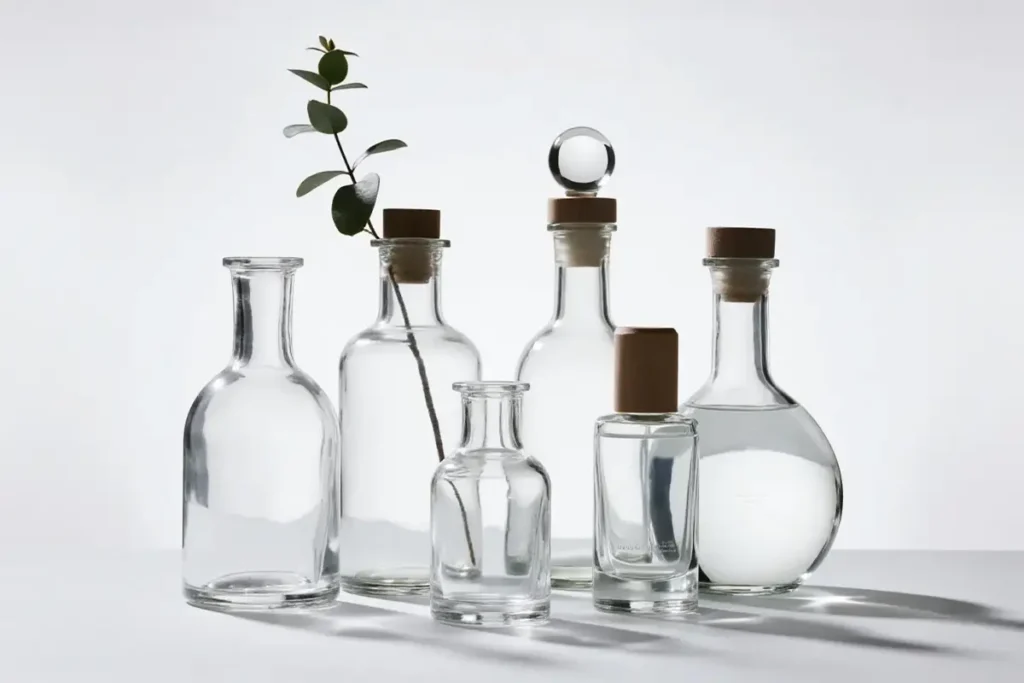
As hand sanitizers become an essential item in daily life, especially in light of ongoing health concerns, the need for proper packaging solutions has grown significantly. Hand sanitizer bottles not only protect the product but also contribute to consumer experience, brand image, and overall product efficiency. Choosing the correct size for these bottles is essential for ensuring convenience, cost-efficiency, and effective usage.
Understanding Different Hand Sanitizer Bottle Sizes
When selecting a hand sanitizer bottle, it’s important to match the size with the intended use. Bottle sizes vary depending on the setting, ranging from individual use to extensive commercial use. You can maximize cost, convenience, and performance by knowing which size best suits your particular requirements.
Small Bottles (30 ml – 100 ml)
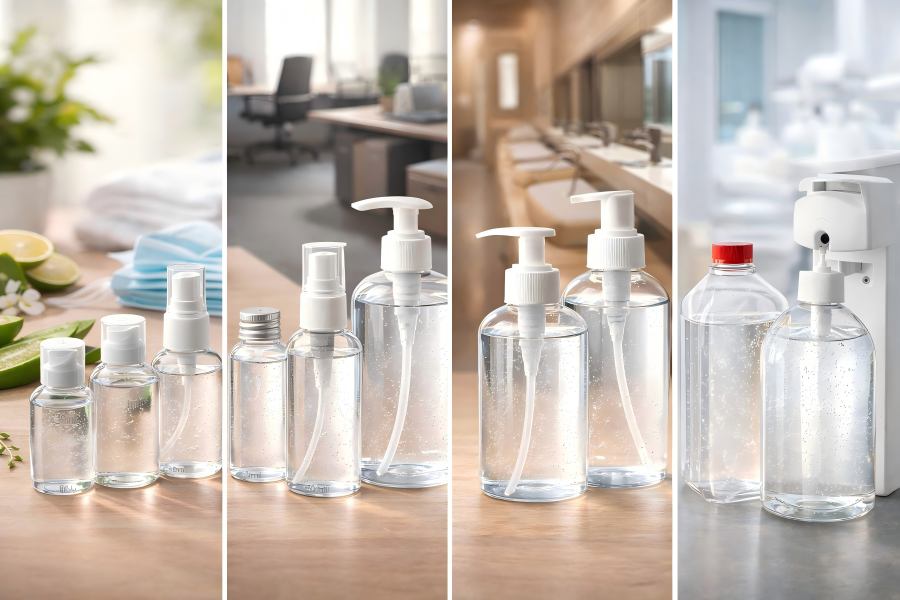
Small hand sanitizer bottles are ideal for personal, on-the-go use. These compact bottles fit easily into pockets, handbags, or backpacks, making them convenient for quick access when needed. Small bottles typically range from 30ml to 100ml in size and are most commonly found in retail stores, used for individual purchases or giveaways.
Common Features:
- Portability: Easily fits into small spaces.
- Convenience: Ideal for personal hygiene, especially when traveling.
- Affordability: Low-cost option for both manufacturers and consumers.
Disadvantages:
- Frequent Refill Needed: Small bottles require regular refilling for continuous use.
- Limited Capacity: May not be enough for families or larger businesses.
Popular Cap Types:
- Flip-top caps
- Spray pumps
- Twist caps
| Feature | Flip-top Cap | Spray Pump | Twist Cap |
| Ease of Use | Easy, quick dispensing | Distributes evenly | Simple to seal tightly |
| Best for | Individual use | Controlled sprays | Tight storage |
| Drawback | Can leak with misuse | Not ideal for all uses | Less convenient for fast access |
Medium Bottles (100 ml – 500 ml)
Medium-sized bottles, ranging from 100ml to 500ml, strike a balance between portability and quantity. These are perfect for home use, office settings, or smaller businesses where frequent use of hand sanitizer is required but smaller sizes are insufficient. Medium bottles often feature pump dispensers, making them easy to use for multiple people.
Common Features:
- Versatility: Perfect for both private and public areas like offices, kitchens, and restrooms.
- Better for Group Use: Sufficient for families or small offices.
- Branding Opportunity: Larger surface area for labels, enabling better branding.
Disadvantages:
- Bulkier Than Small Bottles: May take up more space in smaller areas.
- Less Portability: Not ideal for carrying in pockets or purses.
| Feature | Pump Dispenser | Flip-top Cap | Press-to-Dispense |
| Ease of Use | Easy to press and use | Easy access with one hand | Controlled dispensing |
| Best for | Offices, homes, public spaces | On-the-go, easy access | Bulk dispensing |
| Drawback | Takes up more space | Risk of leaks if mishandled | Slower dispensing |
Large Bottles (500 ml – 1 L)
Large bottles are typically used in high-traffic areas where many people are using the sanitizer, such as schools, offices, gyms, and public restrooms. These bottles are made to be used in large quantities, and they frequently have pumps for convenient distribution. Large bottles are great for bulk purchases and refills, providing a cost-effective solution for businesses and institutions.
Common Features:
- High Capacity: Suited for large families or businesses.
- Convenient for Shared Spaces: Reduces the need to buy multiple small bottles.
- Economical: Lower cost per unit when compared to smaller bottles.
Disadvantages:
- Requires a Dispenser: Most large bottles need a pump or dispenser system.
- Space Considerations: Bulkier and requires more storage space.
| Feature | Large Pump Dispenser | Bulk Refill Containers | Wall-Mounted Dispensers |
| Ease of Use | Quick dispensing | Requires additional steps | Hands-free dispensing |
| Best for | High traffic areas | Cost-effective refills | Hygiene-focused areas |
| Drawback | Bulky | Requires refilling often | Needs installation |
Bulk Bottles (1L and Above)
Bulk bottles are generally used by businesses or large institutions that need to provide hand sanitizing stations for employees or customers. These bottles, often 1 liter or more, are cost-efficient and can be used to refill smaller dispensers or portable bottles. Common in medical facilities, gyms, schools, and restaurants, bulk bottles provide a consistent and efficient solution for large-scale sanitizing needs.
Common Features:
- Economical: Most cost-effective per liter.
- Ideal for Dispensers: Used for refilling smaller bottles or dispensers.
- Minimal Packaging Waste: Reduced need for individual packaging, which helps reduce waste.
Disadvantages:
- Bulk Storage: Requires adequate storage space and handling.
- Not Convenient for Consumers: Not ideal for individual purchases or home use.
| Feature | Large Refill Bottles | Dispenser-Friendly | Bulk Purchase Options |
| Ease of Use | Easy refill process | High-capacity dispensing | Best for businesses |
| Best for | Hospitals, offices, schools | High-traffic areas | Commercial environments |
| Drawback | Requires additional equipment | Can be difficult to handle | Not suitable for personal use |
Key Considerations When Choosing Hand Sanitizer Bottle Sizes
There is more to choosing the appropriate hand sanitizer container size than just the amount. Several factors must be considered to ensure the product is not only functional but also cost-effective, convenient, and environmentally friendly.
Usage Context
One of the first factors to consider when choosing a hand sanitizer bottle size is how it will be used. Are you buying a personal bottle for on-the-go convenience, or are you purchasing in bulk for a workplace?
Smaller bottles are perfect for individual use, while larger bottles or bulk containers are better suited for shared spaces. Understanding where and how the sanitizer will be used helps you decide the most appropriate size.
Storage and Space Requirements
Storage capacity is also crucial. Smaller bottles are easy to store and move around, making them a good choice for personal use. On the other hand, large and bulk bottles may require dedicated storage space, especially in high-traffic areas like hospitals or schools. Before selecting your bottle size, evaluate the available space where the bottle will be kept.
Branding and Labeling Opportunities
Larger bottles offer a greater surface area for branding, allowing businesses to display logos, product information, and safety instructions clearly. This is particularly beneficial for businesses that wish to promote their brand while ensuring that consumers have all the necessary product information.
Environmental Considerations
Sustainability is a major factor in packaging choices as environmental concerns develop. Choose bottles made from recyclable or biodegradable materials to minimize the environmental impact. Additionally, consider purchasing in bulk and refilling smaller containers to reduce the waste associated with individual packaging.
Cost Efficiency
From both a consumer and business perspective, cost is always an important consideration. While larger bottles may be more expensive upfront, they tend to have a lower cost per unit when compared to smaller bottles.
For companies that use a lot of hand sanitizer, this makes them a more cost-effective choice. However, consumers may prefer smaller bottles for convenience, especially if they only need sanitizer for occasional use.
Comparing Popular Hand Sanitizer Bottle Sizes
A summary table contrasting typical hand sanitizer bottle sizes, their salient characteristics, and their optimal applications can be seen below:
| Bottle Size | Ideal Use Case | Features | Advantages | Disadvantages | |
| Small (30 ml – 100 ml) | Personal, travel | Compact, easy to carry | Portable, affordable | Frequent refills required | |
| Medium (100 ml – 500 ml) | Home, office, public spaces | Versatile, easy dispensing | Convenient, suitable for families | Bulkier than small bottles | |
| Large (500 ml – 1 L) | High-traffic areas, schools | High capacity, often with pump | Cost-effective, easily refillable | Requires storage space, bulky | |
| Bulk (1 L and above) | Businesses, institutions | Refill for dispensers, high volume | Economical, reduces packaging waste | Requires dispenser, not for personal use |