Why Glass Beverage Bottles Dominate Premium Packaging: Trends & Sourcing Strategies
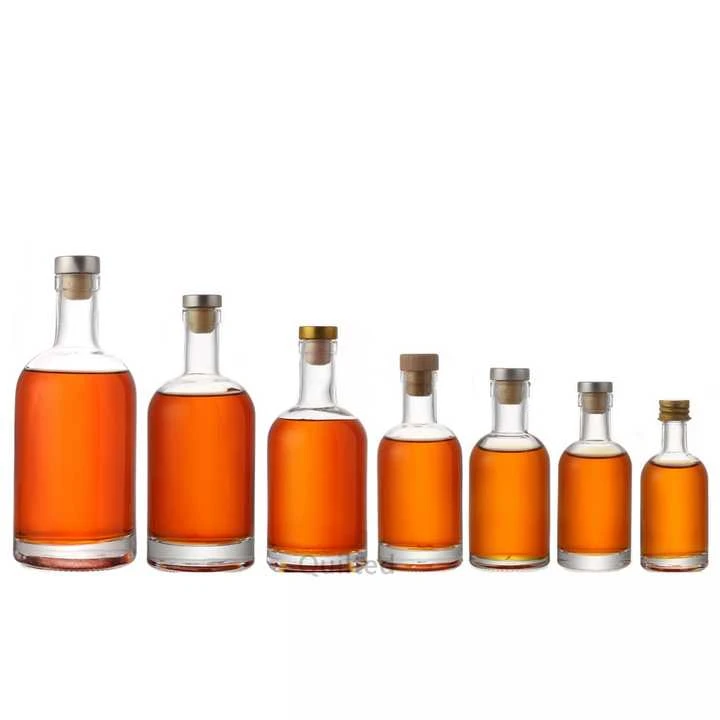
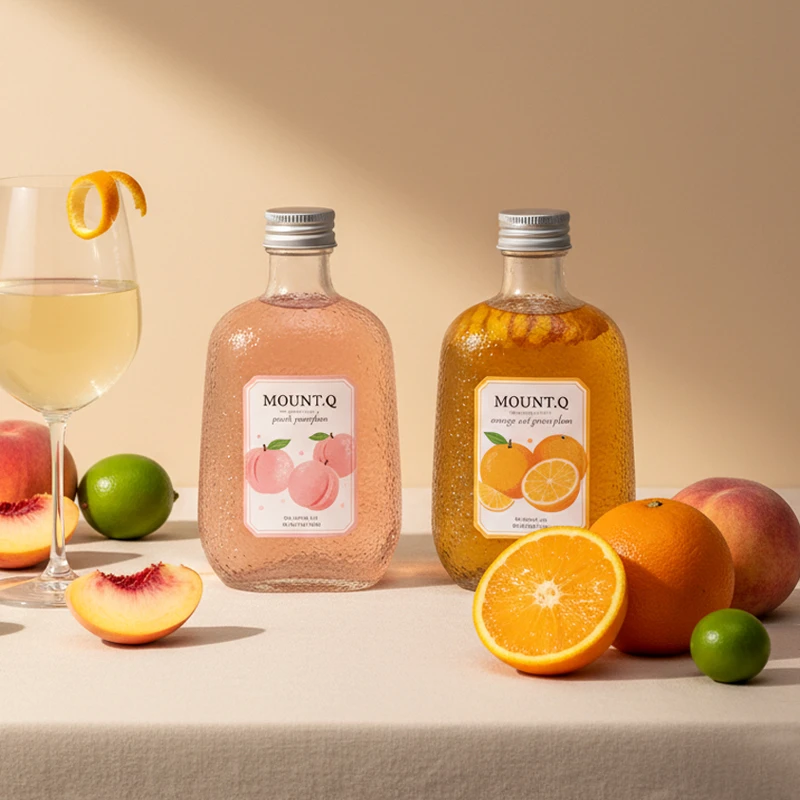
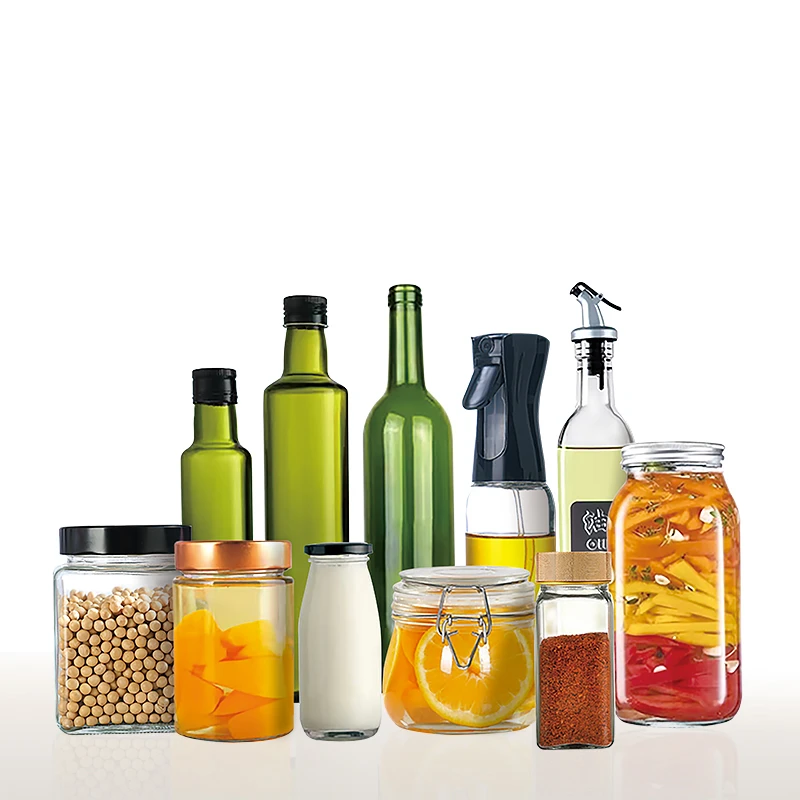
Walk into any upscale restaurant or specialty beverage shop, and you’ll spot it right away: premium drinks almost always come in glass bottles. Glass bottles remain the go-to for premium beverage packaging because they preserve product quality, signal luxury, and allow for customization that other materials just can’t match.
Sure, cans and plastic have their place, but glass packaging continues to be preferred for high-quality beverages across the board.
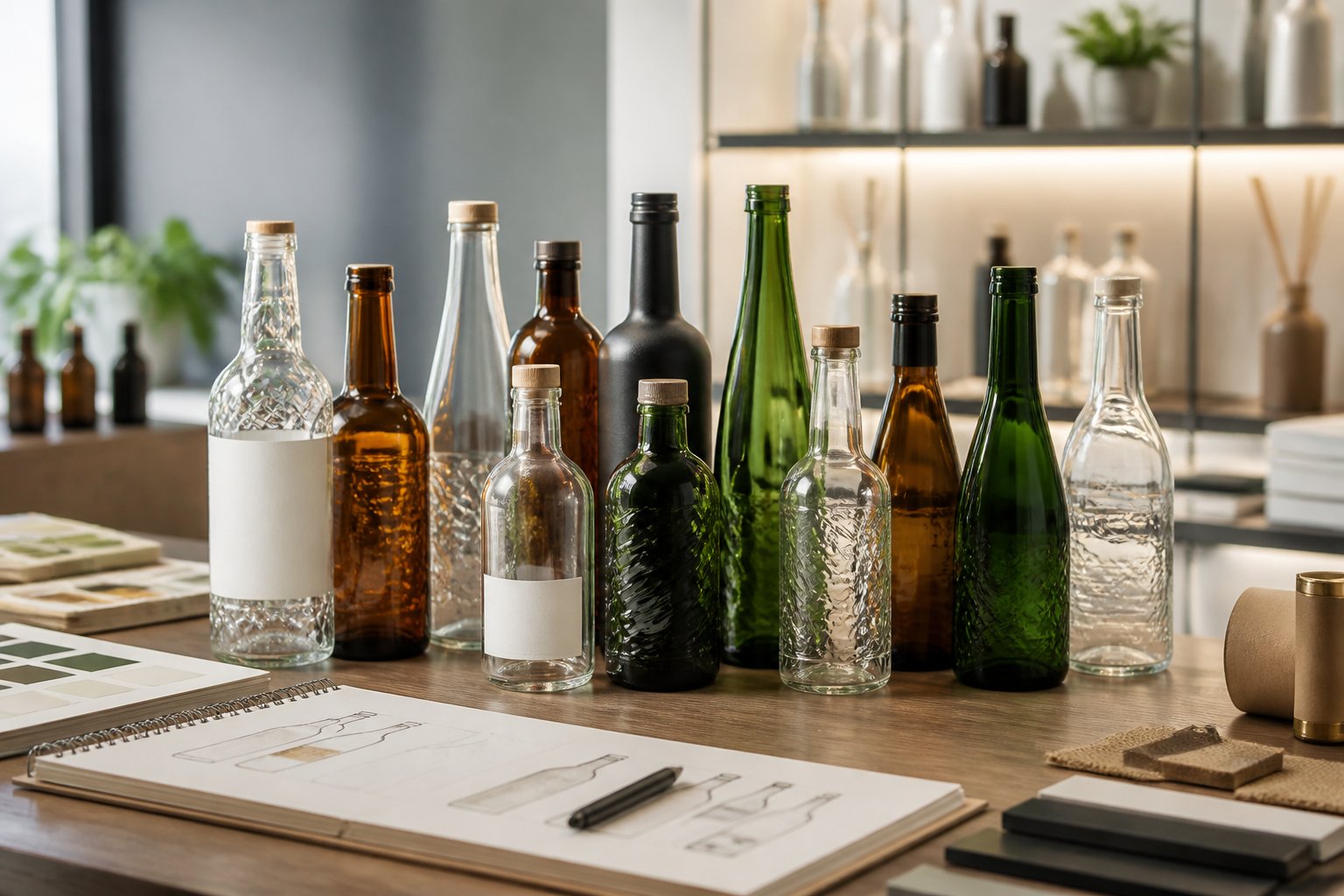
The beverage industry’s commitment to glass isn’t just about tradition. Glass brings real benefits like chemical inertness, so it doesn’t mess with your drink’s taste or safety.
For craft brewers, winemakers, and premium juice makers, that’s a dealbreaker. Plus, glass lets brands get creative—think embossing, custom shapes, and fancy finishes that plastic just can’t pull off.
Knowing how to source good glass bottles and nail your packaging strategy can set your brand apart. Everything from choosing the right glass type to picking reliable suppliers affects how customers see your product.
Key Takeaways
- Glass bottles keep beverage quality and flavor better than other packaging
- Premium brands use things like embossing and unique shapes to stand out
- Sourcing should focus on quality control and reliable suppliers for consistent results
Types of Glass Materials and Manufacturing Specifications
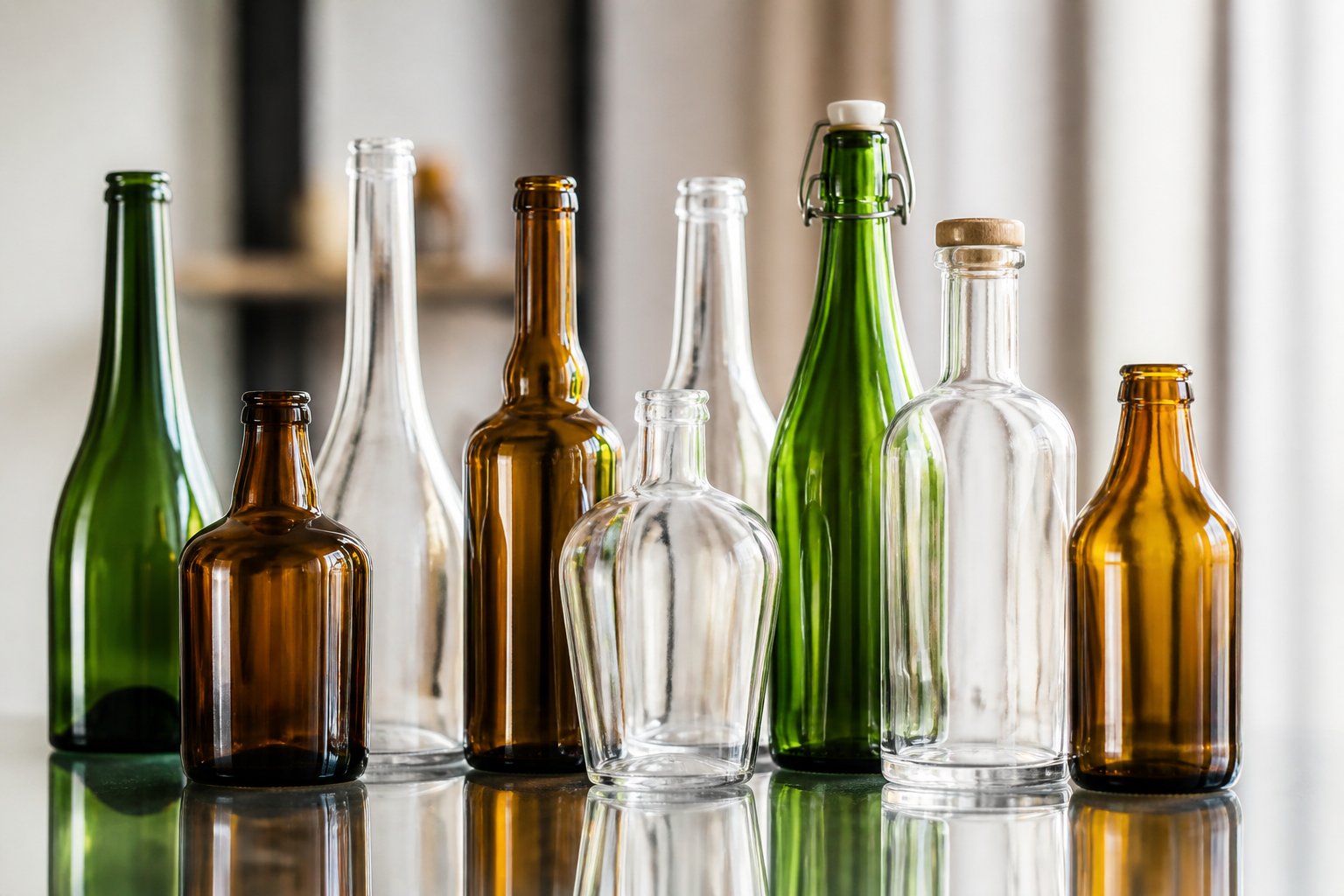
Glass beverage bottles come in different materials and specs, which affect cost, performance, and protection. Your choice of glass and manufacturing method shapes your packaging quality and how your brand is perceived.
Soda-Lime Glass vs. Borosilicate Glass
Soda-lime glass makes up about 90% of glass beverage bottles out there. It’s made from silica, sodium oxide, and calcium oxide, so it’s affordable and works for most drinks.
Borosilicate glass has boron trioxide, making it more resistant to thermal shock. It costs more, but handles temperature swings better than soda-lime. Most beverage brands stick with soda-lime since it gets the job done for less.
Soda-lime glass is made by melting raw materials at around 1500°C. Borosilicate needs even higher temps, but the result is bottles that won’t crack from heat or quick temperature changes.
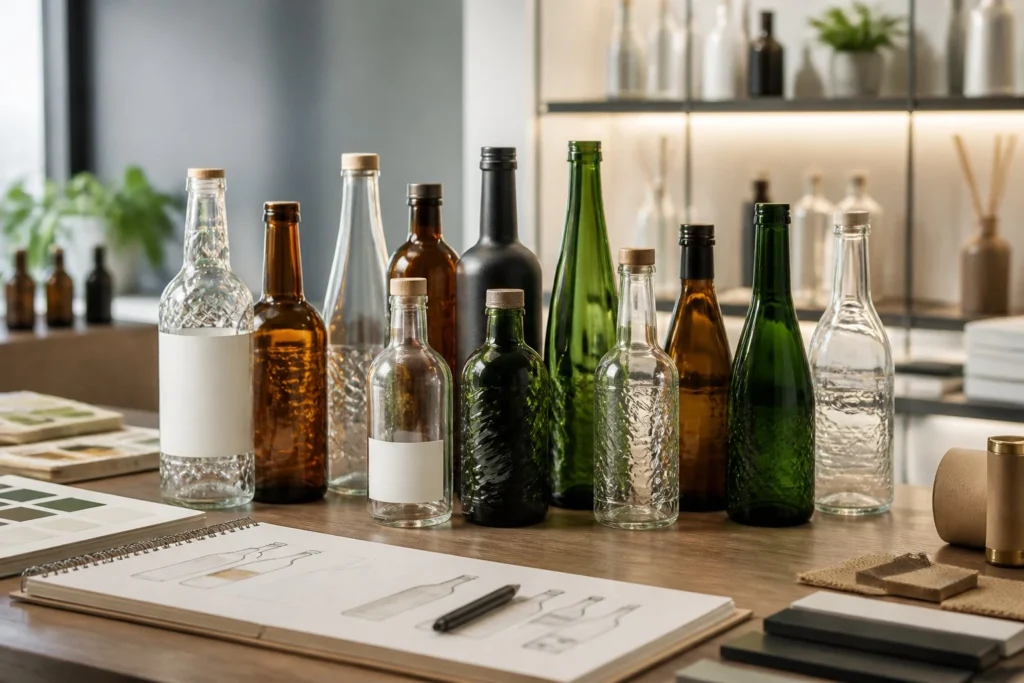
Clear, Amber, and Green Glass Options
Colorless glass lets people see what’s inside, so it’s popular for water, spirits, and clear juices. It’s usually cheaper to make than colored glass.
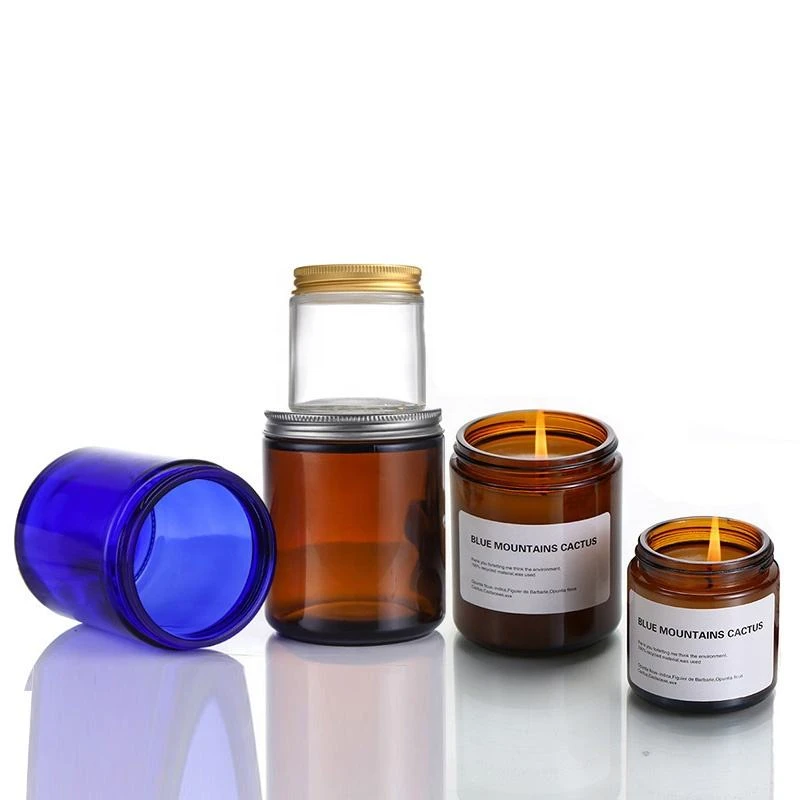
Amber glass blocks 98% of UV light, which is great for beers and juices that are sensitive to light. The color comes from adding iron, sulfur, and carbon during manufacturing. Amber bottles can really help your product last longer.
Green glass offers some UV protection and gives a classic look for wine and some beers. Colored glass needs extra minerals in production, so it does cost a bit more than clear glass.
Weight and Durability Innovations
Lightweight glass bottles help cut shipping costs and lower environmental impact, all without making them weaker. New techniques have dropped bottle weights by 20-40% compared to old-school designs.
Now, you can get lightweight glass bottles that are 30-50% lighter than standard ones, thanks to smarter design and manufacturing. They use advanced molding to put glass where it matters most.
Pressure-resistant bases and reinforced necks add durability even in lighter bottles. These tweaks help you save on transportation and meet sustainability goals your customers care about.
Key Categories of Glass Beverage Bottles
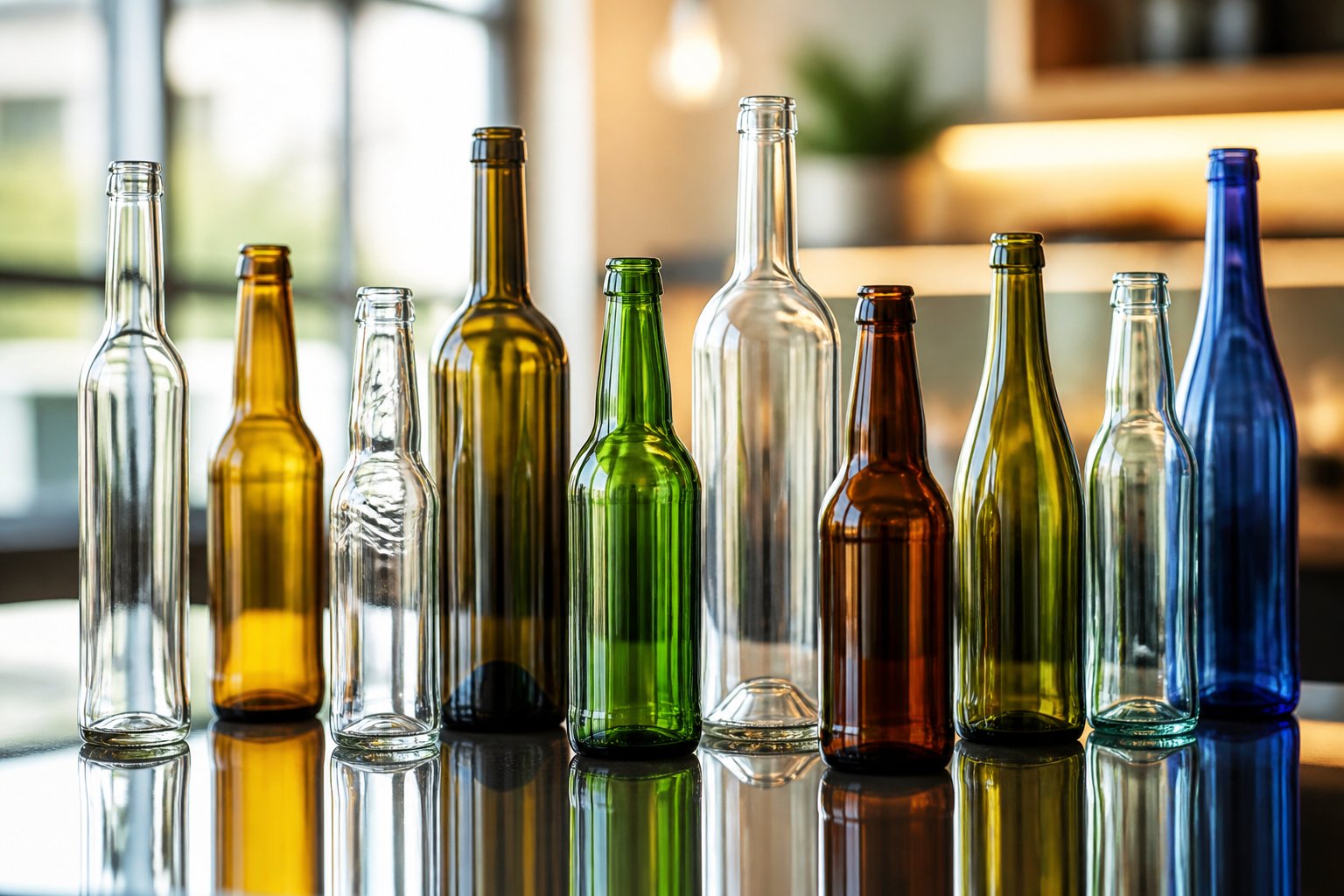
Glass bottles serve all kinds of beverage markets, with designs tailored for each drink. Shape, size, and closure system depend on the drink’s properties and how people use it.
Juice and Smoothie Bottles
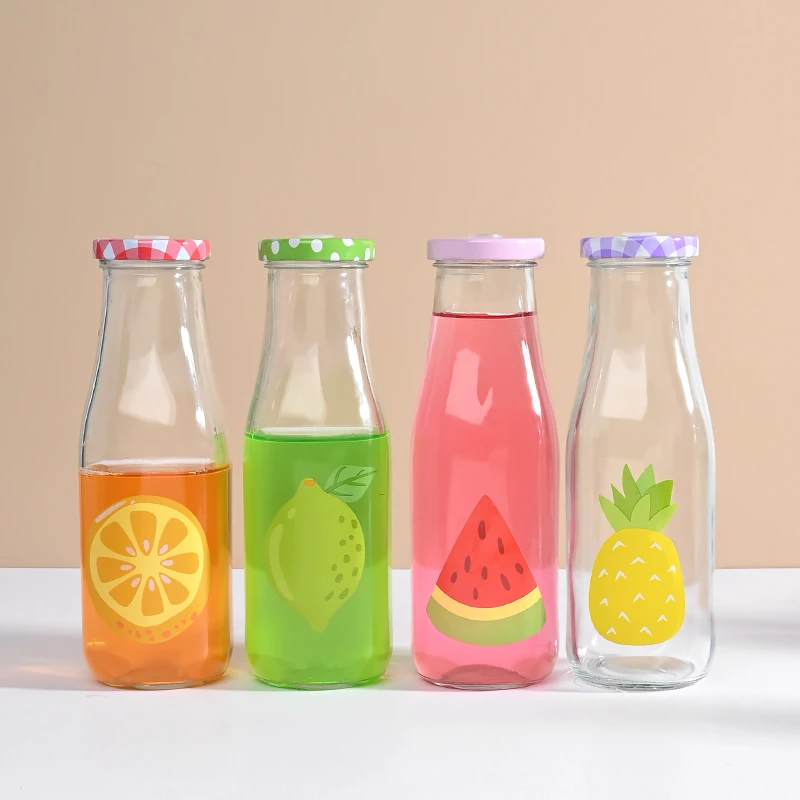
Fruit juice bottles in glass usually hold 8 to 16 ounces for single servings. They often have wide mouths to handle pulp and thick drinks. Glass keeps the flavor pure and doesn’t leach chemicals.
Clear glass rules here because shoppers want to see the color and quality. Some juice brands go for embossed or custom-molded bottles to stand out. Strong closures are a must, since juices can build up pressure from fermentation.
Cold-pressed juice brands love boston round bottles for their thick walls and premium look. You’ll also see square or rectangular bottles that fit better in coolers.
Cold Brew and Kombucha Bottles
Cold brew coffee comes in amber or clear glass bottles, usually 10 to 32 ounces. The glass shields coffee from light that can wreck the flavor. Most have narrow necks and swing-top closures for easy pouring.
Kombucha needs sturdy glass that can handle carbonation. These bottles have reinforced walls and secure caps to prevent messy explosions. Kombucha brands often use beer bottles with crown caps, since they’re made for fizzy drinks.
This market favors 16-ounce glass bottles with unique shapes. Brands in this space usually add custom embossing to show off their identity.
Milk and Dairy Bottles
Classic milk bottles range from 16 ounces to a quart. They’re easy to spot with wide bodies and narrow necks, usually sealed with foil or plastic caps. Glass keeps dairy fresh longer and adds some nostalgic charm.
Small dairies use glass to highlight quality and local roots. The bottles are great for cream-top milk, where you actually want to see the fat separate. Many dairies run bottle return programs since glass can be reused over and over.
Non-dairy milk brands are joining in, using glass bottles to look premium. These bottles often mimic traditional dairy shapes but get modern labels.
Water and Functional Beverage Bottles
Sparkling water brands pick glass bottles similar to beer, usually 11 to 25 ounces. The glass keeps carbonation in and preserves that crisp taste. You’ll see both green and clear glass, depending on the brand vibe.
Functional drinks like enhanced waters, energy drinks, and wellness shots use smaller glass bottles. Sizes run from tiny 2-ounce shots up to 16-ounce servings. Glass helps these brands look pure and healthy.
Sports drinks used to stick with plastic, but premium versions now show up in glass too. It’s a way to suggest better ingredients and justify higher prices.
Bottle Closures and Sealing Systems
The closure you pick can make or break product freshness, how customers use it, and even your brand’s image. Each sealing system has its own perks for oxygen control, reusability, and looks.
Crown Caps vs. Screw Caps
Crown caps have been around since the 1890s for carbonated drinks. They seal tight, keeping oxygen out and bubbles in. You mostly see them on beer bottles and some fancy sodas.
They need a bottle opener, which gives a bit of ceremony to opening the drink. That old-school touch signals craft and authenticity. Crown caps are also cheap, so they’re good for big production runs.
Screw caps are all about convenience. You can open and close the bottle as much as you want, no tools needed. Natural cork and cork-based stoppers still account for nearly 56% of the global oenological closure market, but screw caps are catching on in wine too.
Screw caps usually keep out oxygen better than traditional closures, which helps with shelf life and flavor.
Lug and Twist-Off Caps
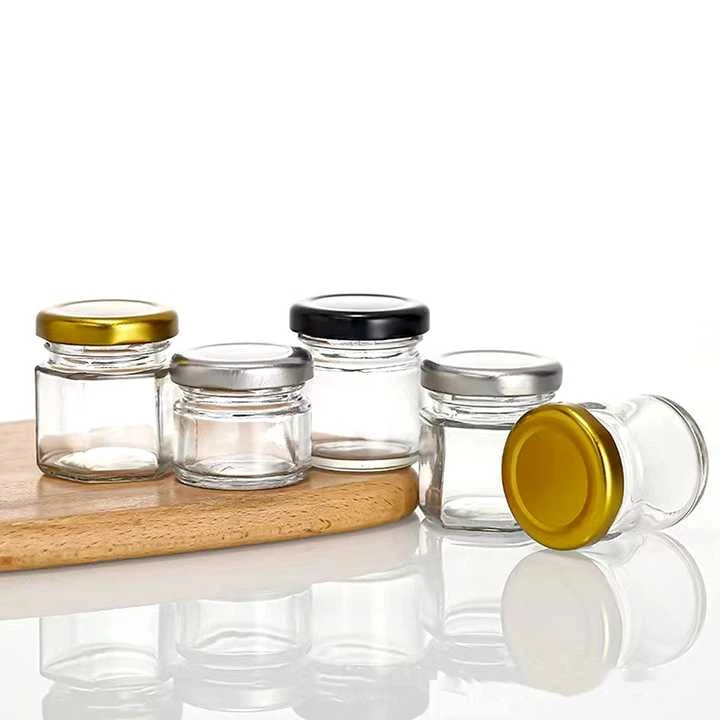
Lug caps have threads that match up with the bottle. Just a quick twist and you’re in. They’re a solid choice for juices, kombucha, and other flat drinks.
Lug caps often come with tamper-evident bands that snap when opened. That gives shoppers confidence the bottle’s untouched. You can get them in different sizes and thread styles to fit your bottles.
Twist-off caps take a few turns to remove. They seal tighter than lugs and can handle a bit of pressure. You’ll spot these on cold-pressed juices and flavored waters.
Both types use liner materials to boost sealing. You’ll see options like plastisol, EPE foam, or pulp-vinyl. Each liner has its own strengths, depending on your drink’s needs.
Swing-Top Closures
Swing-tops use a ceramic or porcelain cap, wire bail, and rubber gasket. The wire locks the cap down tight, squishing the gasket for a solid seal.
They’re totally reusable and add a vintage, artisanal vibe. People connect swing-tops with old-school brewing and craft drinks. They’re especially popular for carbonated and fermented beverages.
Swing-tops do cost more per unit than regular caps, but the fancy look can be worth it for specialty products. You can swap out the gasket when it wears out, so the closure lasts a long time.
Just make sure your bottles have consistent neck dimensions. If the fit’s off, the seal won’t be reliable.
Silicone and Wooden Stopper Hybrids
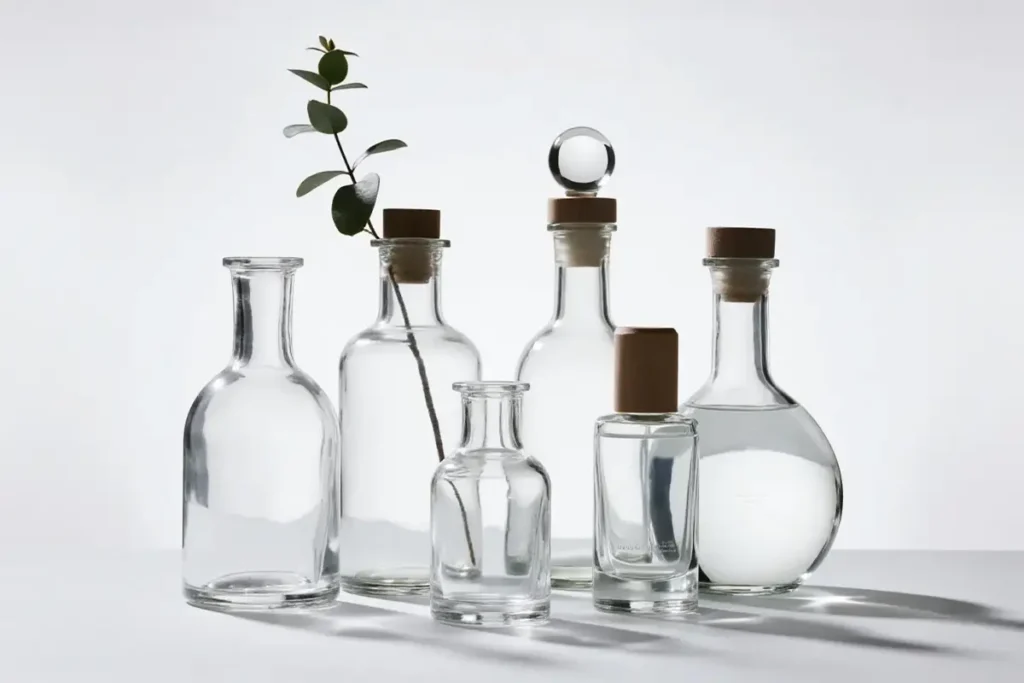
Hybrid stoppers mix natural stuff like wood with food-grade silicone or other materials for sealing. The wood looks and feels nice, while the silicone keeps air out. These closures are for ultra-premium spirits, oils, and limited runs.
You’ll see woods like oak, walnut, and bamboo, each with its own look. The silicone fits snug in the bottle neck, blocking oxygen. This combo gives both style and function.
It’s smart to check how the wood handles moisture. Some woods swell up and make the stopper tough to pull out. Good treatment and finishing keep that from happening and make sure it’s food safe.
Hybrid stoppers usually need custom tooling and bigger orders. They’re pricier, so they only make sense for products with premium price tags.
Customization and Branding Techniques
Glass bottles come with loads of ways to make your product stand out. Surface treatments, labeling, and design details all help build brand recognition and catch the eye.
Surface Finishes
You’ve got plenty of surface treatments to boost your bottles’ look and feel. Frosted finishes give a matte, upscale vibe—usually done with acid etching or sandblasting. Colored glass, made by adding minerals, protects light-sensitive drinks and reinforces your brand colors.
Coating tech lets you add metallic, pearlescent, or custom effects to plain glass. These finishes make bottles pop on the shelf without changing the shape. UV coatings add shine and protect against light damage.
Textured surfaces add grip and make bottles more memorable. Patterns, ridges, or dimples can make a real difference in how people experience your product.
Labeling Solutions
Pressure-sensitive labels give you plenty of flexibility for design changes and short runs. You can print detailed graphics, gradients, or even photos with this method.
These labels work well on bottles with curves or odd shapes. They stick reliably, even on surfaces that aren’t perfectly smooth.
Shrink sleeves wrap the whole bottle, giving you 360-degree branding. They fit complex shapes and add tamper evidence, which is a nice bonus.
Heat-applied labels hug the bottle for a seamless look—no edges sticking out. The result feels premium and professional.
Direct screen printing puts ink straight onto glass, so the design lasts. It’s best for simple logos or solid colors.
Painted labels hold up well in the fridge or in damp conditions. They’re more durable than paper and don’t peel off easily.
Embossing and Debossing
Raised embossing adds real dimension to your bottles. Customers can feel the design, not just see it.
An embossed logo instantly signals quality and helps your brand stand out. It’s especially popular for heritage brands and higher-end products.
Debossing, on the other hand, presses designs into the glass. Both embossing and debossing need custom molds, so they’re better for bigger production runs.
You can mix these effects with other decoration techniques for a layered, textured look. Embossed patterns also improve grip and add texture—no extra labeling required.
Because these details are molded into the bottle, your branding survives washing and handling. That’s something competitors using plain bottles can’t easily copy.
Sourcing and Quality Control Checklist for B2B Buyers
When you source glass beverage bottles, you need to check certifications, set up testing protocols, and plan logistics to keep quality consistent. Major manufacturers—Owens-Illinois, Ardagh Group, Verallia—each have their own strengths that might sway your decision.
Essential Certifications
Your supplier should have ISO 9001 certification for quality management. This means they stick to standardized processes that keep batches consistent.
Food-grade certifications are a must for beverage containers. In North America, look for FDA compliance; in Europe, check for EU food contact regulations.
Suppliers like Gerresheimer and Saint-Gobain usually keep these certifications up to date at their sites.
Key certifications to verify:
- ISO 9001 (Quality Management)
- FDA Title 21 CFR Part 117 (Food Contact)
- EU Regulation 1935/2004 (Food Contact Materials)
- HACCP certification (Hazard Analysis)
- BRC Global Standards (Packaging Materials)
Production capacity can be a dealbreaker. Verallia and Vidrala have multiple plants for large orders, while regional suppliers like BA Glass or SKS Bottle & Packaging work with smaller minimums.
Quality Testing Standards
Ask suppliers for their breakage rate data. Industry standards allow 0.5% to 2% breakage, but top manufacturers usually keep it under 1%.
Pressure testing checks if bottles can handle carbonation. For sparkling drinks, look for at least 15 bar resistance.
Thermal shock testing matters too—bottles need to handle quick temperature swings during filling or pasteurization.
Critical quality tests include:
- Vertical load testing (stacking strength)
- Impact resistance (fragility and breakage assessment)
- Dimensional tolerance checks
- Wall thickness measurement
- Annealing verification (stress reduction)
Piramal Glass and Vetropack are known for detailed quality reports with shipments. Set your acceptable quality levels (AQL) in purchase agreements—usually between 1.5 and 2.5 for critical defects.
Shipping and Packaging Logistics
Glass bottles need special packaging to avoid breakage during shipping. Suppliers should use pallets with cardboard dividers, corner boards, and shrink wrap for stability.
Orora and other experts suggest keeping pallet heights under 1.5 meters to protect the bottom layers. Moisture-resistant materials help, since humidity weakens cardboard.
Lead times depend on the maker and your order. Ardagh and Owens-Illinois usually need 8-12 weeks for custom bottles, but stock bottles can ship in 2-4 weeks.
It’s smart to keep some safety stock in case of transit delays or breakage. Full container shipping is safer than LTL freight—fewer handling points means less risk.
Sustainability and the Future of Glass Packaging
Glass packaging leads the way in sustainability, thanks to high recycling rates and more use of recycled content. The material fits right into circular economy models, and new tech keeps shrinking its environmental impact.
Post-Consumer Recycled Content
Cullet—that’s crushed recycled glass—now makes up a big chunk of new bottles. Many manufacturers use 20-40% recycled glass, and some push it up to 70-90%.
Adding cullet helps a lot. It melts at lower temps than raw materials, so energy use drops by about 3% for every 10% cullet added. That saves money and cuts carbon emissions.
You can check recycled content through supplier certifications. Brands often promote their use of recycled glass as a selling point.
The Circular Economy
Glass bottles are a textbook example of the circular economy. You can recycle them forever without losing quality.
A bottle might go from your recycling bin back to a store shelf in about 30 days. In the U.S., glass recycling rates hit 31%; in parts of Europe, they’re over 70%.
Collected glass turns into new bottles, fiberglass, or construction materials. Unlike plastic, glass doesn’t lose integrity no matter how many times you recycle it.
Your packaging choices matter here. Clear or standard colors recycle better because sorting facilities handle them more easily.
Innovations to Watch
Lightweight glass tech is making bottles 20-30% lighter without losing strength. That means less raw material and lower shipping emissions.
Chemical strengthening treatments let manufacturers use thinner walls but keep bottles tough. Some even add coatings to boost scratch resistance and extend bottle life.
It’s worth keeping an eye on carbon capture at glass plants. Some factories now trap CO2 for use elsewhere. Electric furnaces powered by renewables are starting to replace fossil fuels at forward-thinking facilities.
Conclusion and Actionable Next Steps
Glass bottles are still the go-to for premium beverage packaging. Your brand’s image depends on picking the right supplier and packaging strategy.
Start your sourcing process with these steps:
- Research certified glass manufacturers with quality control systems
- Request samples from at least three suppliers to compare clarity and weight
- Verify production capacity matches your volume needs
- Check lead times and minimum order quantities
Packaging costs will change based on your bottle design and order size. Custom molds cost more upfront but give your brand a unique look. Stock bottles are faster and cheaper at first.
Key supplier evaluation criteria include:
- ISO certifications and food safety compliance
- Defect rates below 2% industry standard
- Shipping capabilities to your distribution centers
- Technical support for design modifications
Work with two suppliers if you can. Having a backup helps you avoid production delays if something goes wrong.
Test your glass packaging before launching full production. Real consumer feedback shows how your market reacts to your bottle’s look and feel.
Track breakage rates during shipping. That data will guide your future sourcing and design tweaks.
Set up quarterly check-ins with your glass supplier. Staying in touch helps you catch quality issues early and learn about new manufacturing options.
Your next move? Reach out to potential suppliers with your specs and start a conversation. Don’t wait too long—premium packaging takes time to get right.
Frequently Asked Questions
Glass bottles give premium brands a real edge for product quality and shelf appeal. Buyers have to weigh material costs, recycling options, and technical details when sourcing glass packaging.
What advantages do glass beverage bottles offer for premium branding and shelf appeal?
Glass bottles instantly feel high-end. The weight and clarity send a message: this is a quality product—even before someone takes a sip.
You can play with bottle shapes, embossing, and decoration to boost brand recognition. Glass is a perfect canvas for fancy labels and printing, helping your product pop on crowded shelves.
Traditional symbolic associations link glass bottles to quality and authenticity in beverage categories. Consumers often see glass-packaged drinks as more natural and less processed than those in plastic or metal.
How does glass compare with plastic and aluminum in terms of taste preservation and product integrity?
Glass is totally inert—it won’t react with your drink. Plastic can leach chemicals or let oxygen in, which messes with flavor over time.
Your product keeps its original taste in glass all the way through its shelf life. Colored or treated glass even blocks UV light, which protects sensitive drinks from oxidation.
Aluminum cans need coatings that sometimes affect taste. Plastic bottles let in gas, which shortens freshness. Glass just skips those problems altogether.
What sustainability and recycling factors are driving increased use of glass in beverage packaging?
Glass can be recycled forever without losing quality. You can get bottles with up to 90% recycled content and still deliver a great product.
The infrastructure for glass recycling and recovery is well established in many places, making it easier to hit sustainability targets.
Consumer preferences for sustainable packaging are shaping what people buy, especially in beverages. Glass lets brands show off their environmental commitment and stay premium.
Reuse programs are becoming more popular, with producers exploring attitudes toward reusing glass bottles instead of single-use. It’s a win for both costs and the planet.
Which beverage categories are most likely to adopt glass packaging, and why?
Wine is the classic example—glass bottles dominate thanks to tradition and what customers expect. Premium spirits also rely on glass to show authenticity and justify higher prices.
Craft beer brewers like glass for protecting hop flavors and building an artisanal image. You can show off the color and clarity, and glass prevents light damage.
Non-alcoholic drinks are moving to glass for a more upscale feel. Glass bottle packaging is valued for premium waters, cold-pressed juices, and specialty sodas.
Kombucha, functional beverages, and organic drinks use glass to match health-focused values. These brands benefit from glass’s inertness and green credentials.
What are the key cost drivers and supply chain constraints when sourcing glass beverage bottles?
Raw materials—silica sand, soda ash, limestone—fluctuate with energy prices. Glass production needs a lot of heat, so energy costs really matter here.
Shipping adds up fast because glass is heavy and fragile. You’ll need to budget for higher freight costs and some breakage.
Minimum order quantities are usually higher for glass than plastic. You might have to commit to bigger runs to get good pricing.
Custom bottles can take 12 to 16 weeks from order to delivery. Standard shapes are quicker but don’t let you stand out as much.
Glass bottles take up more warehouse space than collapsible packaging. Plan for extra storage in your logistics setup.
What specifications should buyers prioritize when selecting premium glass bottles (shape, weight, closures, coatings, decoration)?
Bottle weight shapes how people perceive quality, but it also bumps up shipping costs. There’s always that tricky balance between the satisfying heft of heavier glass and higher freight bills.
Wall thickness matters for durability and how well the bottle handles temperature swings. If you’re filling bottles with hot liquids, you’ll want thicker walls compared to cold-fill drinks.
Neck finish specs have to match your closure system exactly, or you’ll run into sealing problems. Standard finishes usually save money, but custom necks might force you to invest in special capping gear.
Surface treatments like UV coatings help protect light-sensitive contents and make bottles look sharp. Some coatings also boost scratch resistance, which comes in handy during shipping and handling.
Decoration options—screen printing, labeling, embossing, etching—each have their own vibe. Your pick depends on branding, order size, and, of course, your budget.
Closure choices like corks, screw caps, crown caps, and specialty stoppers all send different signals to buyers. They’re not all priced the same, and each brings its own set of consumer expectations.